Molluscum contagiosum removal with radiofrequency in Belgrade
Molluscum contagiosum lesions are small, smooth skin bumps caused by a virus. They most commonly appear in children, but also in adults. They can clear up on their own, but this takes months, and in the meantime they spread to the surrounding skin and are transmitted to other people. At Imedic poliklinika, molluscum lesions are removed using radiofrequency, following a dermatologist's examination.
Removal of molluscum – a summary
| What is removed | Molluscum contagiosum on the face, torso, arms, legs and groin |
|---|---|
| Method | Radiofrequency |
| Anaesthesia | Localised, according to the number, size and position of the lesions |
| Duration of the procedure | A few minutes for individual changes; a larger number of changes requires a longer appointment |
| Examination | A dermatological examination confirming that the condition is molluscum |
| Assessment based on a photograph | An approximate price can be given based on a photograph sent via Viber or WhatsApp to 064 237 0707 |
What are molluscum lesions and what do they look like?
Molluscum contagiosum are benign skin lesions caused by a poxvirus. They appear as small, round, smooth skin-coloured, pale pink or pearly bumps, ranging in size from 1 to 5 millimetres. A characteristic feature is a small indentation at the top, which makes them easily distinguishable from other lesions.
Usually there are several of them, grouped on one part of the body. They are most often painless, but can itch, and the skin around them sometimes becomes red and dry. Molluscum contagiosum are not the same as keratosesthey are caused by another virus, are smooth and do not have a rough surface.
How are molluscum lesions transmitted?
The virus is transmitted by direct skin-to-skin contact, as well as via towels, toys, sponges and other objects. It is more frequently transmitted in a warm and humid environment, at the swimming pool and in communal bathrooms. By scratching and rubbing, the virus is spread to adjacent areas, so the number of molluscum lesions increases over time.
Molluscum contagiosum occurs more frequently in children, in people with atopic dermatitis—specifically dry and chapped skin—and in individuals with a weakened immune system. In adults, they can also appear in the genital region, in which case they are transmitted through close contact.
Do molluscum contagiosum spots go away on their own and when are they removed?
In people with a good immune system, molluscum lesions usually clear up on their own, but this takes anywhere from a few months to a year, and sometimes longer. During this time, new lesions appear, they are transmitted to other family members, or they become inflamed from scratching.
Removal is considered when the lesions spread, itch, become inflamed, are located on the face or in the genital region, or when it is important to prevent transmission to others. During an examination, a dermatologist assesses whether it is better to wait or remove the molluscum lesions and how many lesions can be removed in a single appointment.
What does radiofrequency removal of molluscum look like?
First, there is a dermatological examination, confirming that they are molluscum and agreeing on the extent of the procedure. The skin is then prepared and, where necessary, local anaesthetic is administered.
Every lesion is removed using a radiofrequency instrument, which simultaneously seals tiny blood vessels, so bleeding is minimal. With local anaesthetic, you feel touch or pressure. The removal of individual molluscum lesions takes a few minutes, and in the case of a larger number of lesions, the procedure takes longer or is split over multiple sessions.
Ultimately, the treated sites are looked after, and the patient receives instructions on skin care and follow-up. At the follow-up appointment, it is checked whether any new lesions have appeared, which are then removed in the same manner.
Molluscum contagiosum in children and adults
In children, molluscum lesions most commonly appear on the torso, arms, legs and face, and there are often multiple lesions because they are spread by scratching and during play. In adults, they more frequently appear on the face, neck, torso and in the genital region.
In children and adults with atopic dermatitis, the skin around molluscum lesions can become red, dry and itchy. In this case, alongside removal, it is also necessary to soothe the skin around the lesions, because scratching spreads the virus.
Recovery and aftercare following removal
After removal, small treated areas remain which gradually heal, most commonly within a few days to two weeks, depending on the size of the blemishes and the region.
The treated areas are cleaned and protected according to the instructions provided, and scabs must not be removed or picked at. Until the skin heals, it is better not to share towels and to avoid the swimming pool. Sun protection helps prevent the treated areas from darkening.
If the pain or redness increases, or if discharge or swelling appears, you should consult a doctor.
Does it leave a mark?
The aim is as neat a healing process as possible. After the removal of molluscum lesions, the mark is usually barely visible, and a temporary change in skin colour, lighter or darker, is possible, which fades over time.
The appearance of the results depends on the size of the lesions, the region, and individual healing. Molluscum lesions that have been inflamed or scratched may leave a small scar, so it is best to remove them before they become inflamed.
What should you tell the doctor before the procedure?
Before the procedure, it is important to inform the doctor about implanted medical devices, current medication, allergies, pregnancy, and any conditions that may affect the performance of the procedure or healing.
The procedure is postponed in cases of skin inflammation at the removal site and during acute illnesses. When the skin around the molluscum is inflamed or eczematous, the doctor may first recommend calming the skin.
Cost of mollusc removal
The price depends on the number, size and localisation of the lesions. Prices can be found in dermatology price list. A photograph of the changes can be sent via Viber or WhatsApp to 064 237 0707, providing an approximate price guide, while the final assessment is carried out during the examination.
Our dermatologists
Who performs mollusc removal?
Have a question?
Frequently asked questions about molluscum contagiosum
Are molluscum lesions contagious?
They are transmitted by skin-to-skin contact and through towels, toys and other objects. While the changes are present, it is a good idea not to share towels and clothing and to avoid scratching.
Can a child with molluscum go to the swimming pool and nursery?
Most of the time it is possible, because molluscum is not a serious condition. It is a good idea to cover the lesions with clothing or a plaster, and not to share towels, sponges and flannels with other children.
Does the removal of molluscum hurt?
When necessary, the procedure is performed under local anaesthesia, so a touch or pressure is felt during removal. After the procedure, the treated areas may be sensitive for a few days.
Can mollusc spots be squeezed out at home?
There is no need. Squeezing spreads the virus to the surrounding skin, and the spot can become inflamed and leave a scar. The lesions should be examined by a dermatologist.
Do molluscum lesions return after removal?
The removed lesion does not return, but new ones may appear from a virus that was already present in the skin and was not visible. Therefore, a follow-up appointment is scheduled after the removal, at which any new lesions are removed in the same way.
Do molluscum contagiosum spots leave a scar?
Mostly not. A scar is possible with lesions that were inflamed or have been scratched, which is why it is best not to pick at them.
Can I send a photograph before my visit?
You can. A clear photograph, taken in good lighting, can be sent via Viber or WhatsApp to 064 237 0707 for preliminary information regarding the procedure and price. A final estimate is given after an examination.
Book the removal of molluscum contagiosum in Belgrade
Imedic poliklinika is located at Kneza Miloša 23, 2nd floor, Belgrade. Opening hours: Monday–Sunday, 9:00–21:00.
Appointments can be booked by phone: 064 237 0707. If you contact us from abroad, we are also available via Viber and WhatsApp on the same number.
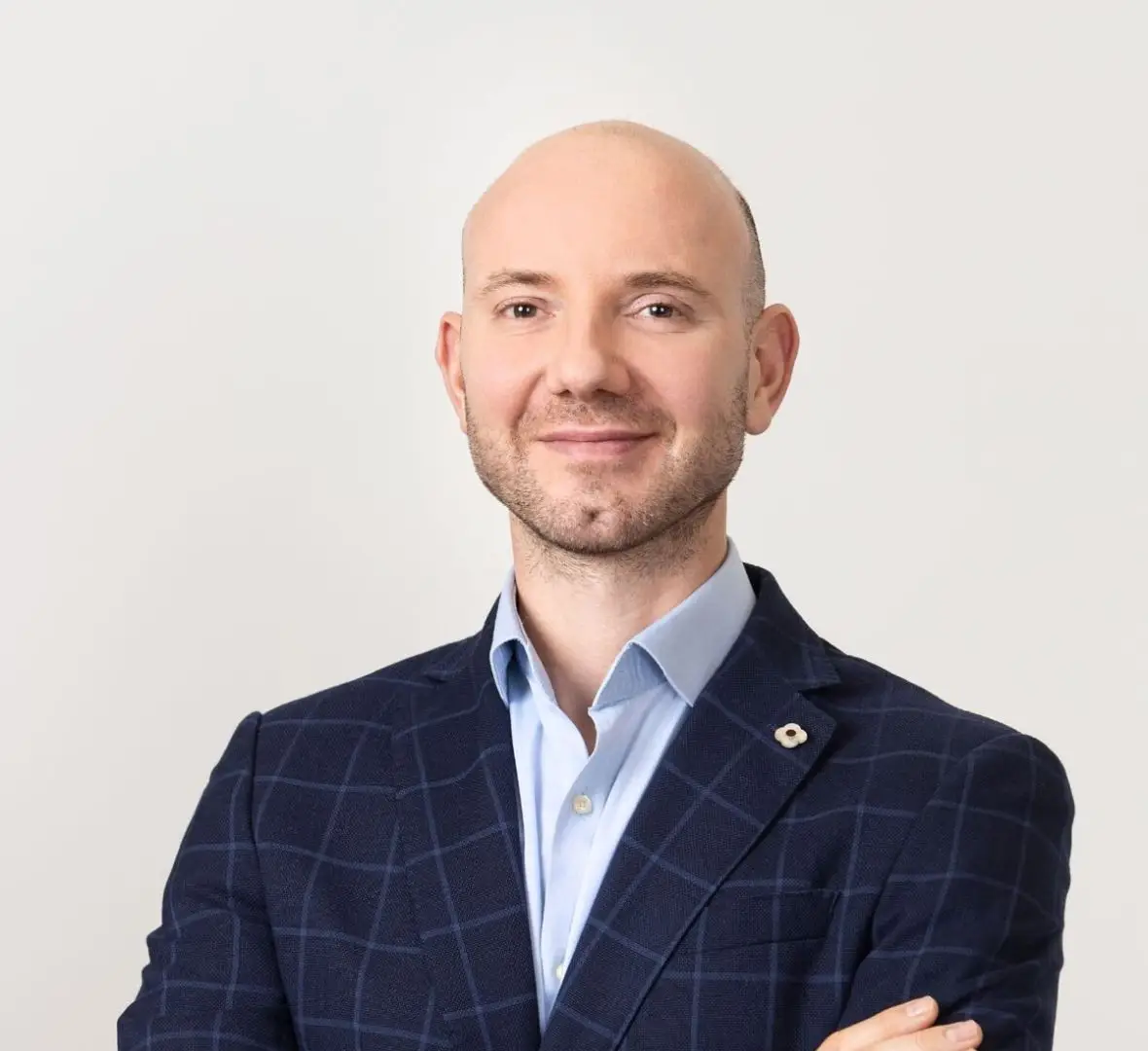
Author: Dr Ivica Jeremić
PhD in Medical Sciences (Molecular Medicine and Immunology), rheumatology subspecialist, dermatology resident.
Updated:
Expert sources
- DermNet: Molluscum contagiosum.
- American Academy of Dermatology Molluscum contagiosum: Overview.
- Molluscum Contagiosum. StatPearls, NCBI Bookshelf.
Professional dermatological supervision and reliable information
The text on this page is written according to the clinical practice of Imedic poliklinika and verified by a specialist in dermatovenereology. The professional sources are listed above. Molluscum removal is performed by a specialist in dermatovenereology, following an examination that confirms the condition is molluscum and rules out other lesions that may resemble it. A personal examination by a dermatologist is necessary for diagnosis and treatment planning.






