Wart removal in Belgrade
Warts can interfere with walking, shaving or everyday activities, and sometimes people want them removed for cosmetic reasons. At Imedic poliklinika in Belgrade, a dermatologist first examines the lesion and then recommends the appropriate treatment or removal method. The choice of method depends on the type, size and location of the wart, as well as on any previous treatments. Before the procedure, you receive an explanation of what the treatment looks like, what you can expect during recovery and how to care for the treated area.
Wart removal – in brief
| What is removed | Viral warts |
|---|---|
| Methods | Radiofrequency or liquid nitrogen (cryotherapy), or a CO2 laser if necessary, depending on the type and location of the wart |
| Anaesthesia | Local, as an injection or as a cream, when needed |
| Duration of the procedure | A few minutes per lesion |
| Preparation | No special preparation is required; tell the doctor about any previous treatments and medication you take. |
| Procedure performed by | Dermatovenereology specialist |
What are warts and how are they recognised?
Warts are benign skin growths that occur when the human papillomavirus (HPV) causes accelerated cell growth in the superficial layer of the skin. They can be single or clustered, of various sizes and shapes, and most commonly have a rough surface. They are transmitted by contact, either directly or via objects, and can therefore spread to other parts of the body.
Before choosing the method, a dermatological examinationis performed, during which the doctor assesses the type and location of the lesion. What patients call skin tags can be of a different nature; more about them can be found on our page about papilloma removal. Seborrhoeic keratoses can also resemble warts, but are not viral and are treated differently. If the appearance of the lesion is atypical, a dermatologist may recommend further diagnostics, for example a skin biopsy.
Viral warts – how they are transmitted and who is more prone to them
All true warts are viral, meaning they are caused by the human papillomavirus (HPV). The virus enters the skin through tiny injuries and scratches, and is transmitted by touching a wart or objects and surfaces where it lingers, such as changing room floors, swimming pools and shared towels. From contact to the appearance of a wart can take anywhere from a few weeks to a few months, so the source of infection can most often not be determined.
Verrucas occur more frequently in children and young people, in people who have chapped or frequently damp skin on their hands and feet, as well as in those with weakened immune systems. Scratching and biting the skin around a verruca spreads the virus to neighbouring areas, so a single verruca can multiply over time.
Warts on the hands, feet and face
Hands and fingers
Common warts most frequently appear on the fingers, around the nails and on the back of the hand. They are rough to the touch, greyish to brown in colour, and range in size from a few millimetres to about one centimetre. Since hands are constantly in use, post-treatment care is adapted to frequent washing and working with the hands.
Feet
Plantar warts on the soles and toes grow partly inwards due to pressure when walking, so they can be painful. The choice of method and post-treatment care are planned so as to have as little impact as possible on walking and footwear.
Face and neck
Flat (juvenile) warts, which are smooth, slightly raised and often numerous, most commonly appear on the face, as do filiform warts around the eyelids, lips and nose, which spread easily through shaving. On the face, special care is taken in the choice of method and aftercare so that any mark is as inconspicuous as possible.
Genital area
Genital warts (condylomata) are a special type that are sexually transmitted. Their treatment is planned after an examination, along with advice on further follow-up appointments. Methods, recovery and prices are described on the page condyloma removal.
How does a dermatologist choose the removal method?
There is no single method that is best for every wart. The dermatologist chooses the removal method according to:
- type of wart – common, plantar, flat, filiform or genital;
- number and size of lesions – for a larger number of warts, the treatment plan may involve multiple visits;
- location – the face, hands and feet require different approaches and care;
- previous treatment – it is important to state which methods and preparations have already been used and with what result;
- patient's expectations – recovery speed, appearance of the treated area and the number of visits required.
What do the visit and treatment look like?
- Examination – the dermatologist assesses the type, number and location of the warts and discusses previous treatments.
- Method agreement – the removal method is chosen and the course of recovery is explained.
- Preparation and anaesthesia – the site is disinfected and, when necessary, local anaesthesia is administered using a needle or cream.
- Treatment – removing a single lesion takes a few minutes.
- Instructions and follow-up – the patient receives aftercare instructions and, where necessary, an appointment for a follow-up or next treatment.
Radiofrequency, liquid nitrogen (cryotherapy) and CO2 laser
Radiofrequency wart removal
With a radiofrequency scalpel, the wart is precisely removed under local anaesthetic, while the waves simultaneously seal tiny blood vessels, so bleeding is minimal. The method allows good depth control, which is important for lesions on the face and other sensitive areas, and the removed tissue can, when indicated, be sent for analysis. The removal of a single lesion takes a few minutes.
Laser wart removal
The CO2 laser removes warts by vaporising tissue layer by layer, with precise depth control. It is used for certain types and locations of warts, as assessed by a dermatologist. Recovery takes from a few days to about ten days, depending on the depth of the treatment, after which the treated area is protected from the sun. Lesions in the immediate vicinity of the eyes are not treated with the laser. More about the technology and its use at Imedic can be found on our page about CO2 laser.
Liquid nitrogen (cryotherapy)
Liquid nitrogen freezes the wart (cryotherapy), after which the body gradually rejects the altered tissue. The treatment lasts a few minutes. During the treatment, a stinging sensation may be felt, the intensity of which depends on the location and extent of the treatment, and afterwards a blister or scab usually forms and falls off on its own. It is primarily suitable for smaller and superficial warts, and it is often necessary to repeat it several times at intervals of a few weeks.
Recovery and aftercare following removal
Recovery depends on the method, size and location of the wart. A scab usually forms on the treated area and falls off on its own within three days to two weeks.
- washing and dressing – the wound is kept clean and dry, and the care product and plaster are used according to the doctor's instructions;
- hands – when you wash your hands often or work with your hands, the treated area should be protected with a plaster;
- feet – in the first few days, comfortable footwear that does not put pressure on the treated area is recommended, and longer walking and running are restricted until healing is complete;
- face – do not shave or apply makeup over the treated area until the scab falls off;
- physical activity and swimming – avoid until the wound heals;
- sun – the new skin should be protected with a high-SPF sunscreen for two to three months to prevent it from darkening.
Contact your doctor if increased redness, swelling, warmth or pus appears, or if the wound does not heal within the expected timeframe.
Can warts reappear?
The treated wart is removed, but the virus that causes it can remain in the skin, so a recurrence in the same or another place is possible, regardless of the method. Therefore, for some patients, a follow-up appointment is scheduled, and any new growth is treated in good time while it is still small. A recurrence does not mean that the treatment was not done properly, but is a characteristic of a viral skin infection.
Wart removal price
The price of wart removal depends on the number and size of the lesions, their localisation and the chosen method. Current prices are available in our dermatology price list. Following the examination, you will receive a treatment recommendation and an explanation of its scope.
Our dermatologists
Who performs wart removal?
Have a question?
Frequently asked questions about wart removal
Are viral warts contagious?
Good grief. The virus is spread by touching the wart and via objects and damp surfaces, such as changing room and swimming pool floors. Warts should not be scratched, bitten or cut, as this spreads the virus to the surrounding skin.
Do pharmacy remedies remove viral warts?
Warts treatments can help with minor, common warts on the hands and feet, but they work slowly and require regular application over several weeks. They should not be used on the face or in the genital region, and individuals with diabetes or poor circulation should only use them upon a doctor's advice. If the wart does not shrink after a few weeks, spreads, bleeds or hurts, a dermatologist's examination is required.
Can warts go away on their own?
It can, especially in children, but this often lasts for months or years, during which time the wart may multiply or spread to other people. When a wart is bothersome, is spreading, or is in a place that is easily injured, removal is planned after an examination.
What to do when a child has viral warts?
Warts in children are common and are not dangerous. A dermatologist assesses whether it is better to wait or remove the wart and chooses a method adapted to the child's age. Until then, it is important that the child does not scratch or pick at the wart and wears flip-flops in changing rooms and at the swimming pool.
Is wart removal painful?
During radiofrequency removal, local anaesthesia is administered via a needle or cream, so no pain is felt during the treatment. During liquid nitrogen treatment (cryotherapy), a stinging sensation may be felt, the intensity of which depends on the location and extent of the treatment. After the treatment, the area may be sensitive for a few days, and in the case of plantar warts, also when walking.
How many treatments are needed?
For radiofrequency removal, a single treatment per lesion is usually sufficient. Treatment with liquid nitrogen (cryotherapy) is often repeated multiple times, at intervals of several weeks. The number of visits also depends on the number of warts.
Can multiple warts be removed in one appointment?
Yes, if the doctor considers it safe. With a larger number of lesions, particularly on the feet or hands, the treatment is sometimes divided over multiple visits to make recovery easier.
Will it leave a scar?
After wart removal, a scar is possible. Whether one will form and how visible it will be depends on the method, size, depth and location of the lesion, as well as individual healing. After smaller lesions, the mark is usually barely visible, and a lighter or darker spot may also remain, which fades over time. Sun protection helps to prevent the treated area from darkening.
Is the removed tissue sent for analysis?
This depends on the method and manner of taking the sample. With radiofrequency removal, when the appearance of the lesion is not typical or there is another clinical indication, the removed tissue can be sent for pathohistological analysis. With liquid nitrogen and CO2 laser treatments, the tissue is destroyed at the treatment site, so when an analysis is necessary, the sample is taken separately, prior to the treatment. The dermatologist decides on this.
Can I send a photo of the wart?
You can. A clear photograph, taken in good lighting and from multiple angles, can be sent via Viber or WhatsApp to 064 237 0707, so that a doctor can make an initial assessment of the treatment method and price. The final decision is made after a consultation.
When should treatment be postponed?
The treatment is postponed in the event of infection or skin inflammation at the site of removal and during acute illnesses. If a pacemaker or other electronic medical device is fitted, during pregnancy, and in the case of chronic illnesses such as diabetes, a doctor assesses which method is safe and when it is best to perform the treatment.
Book wart removal in Belgrade
Imedic poliklinika is located at Kneza Miloša 23, 2nd floor, Belgrade. Opening hours: Monday–Sunday, 9:00–21:00.
Appointments can be booked by phone: 064 237 0707. If you contact us from abroad, we are also available via Viber and WhatsApp on the same number.
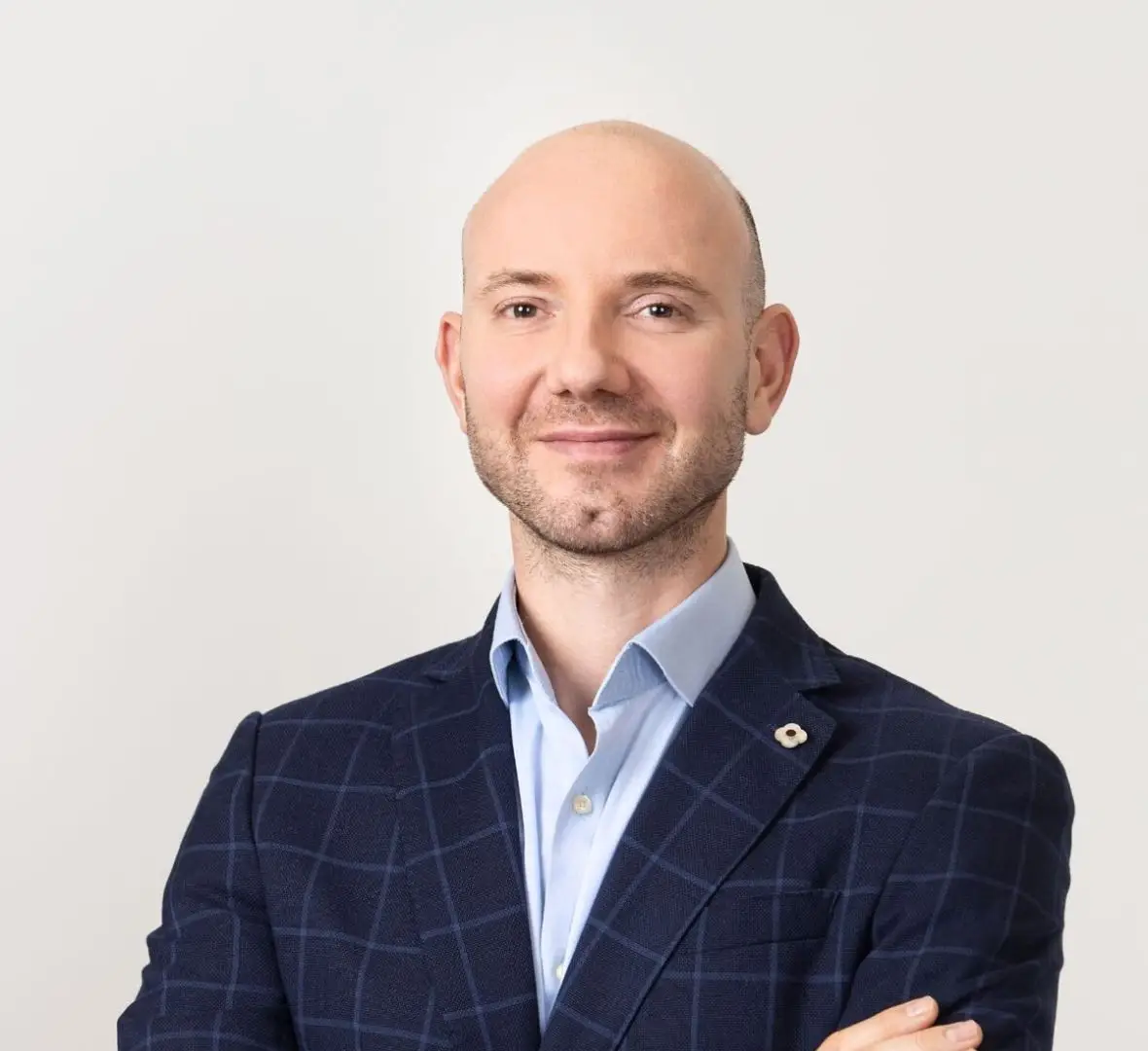
Author: Dr Ivica Jeremić
PhD in Medical Sciences (Molecular Medicine and Immunology), rheumatology subspecialist, dermatology resident.
Updated:
Expert sources
- American Academy of Dermatology : Warts: Diagnosis and treatment.
- Cryotherapy in Dermatology. StatPearls, NCBI Bookshelf.
- Treating Warts. American Family Physician, 2011.
Professional dermatological supervision and reliable information
The text on this page was written in accordance with the clinical practice of Imedic poliklinika and verified by a specialist in dermatovenereology. The professional sources are listed above. Wart removal is performed by a specialist physician in dermatovenereology. The choice of method – radiofrequency, liquid nitrogen (cryotherapy) or CO2 laser – is decided individually, based on the examination, type and location of the lesion. A personal examination by a dermatologist is essential for the diagnosis and treatment plan.






