Acne treatment in Belgrade
Acne treatment begins with a dermatological examination and a plan tailored to the skin, type of blemishes and previous treatments. Treatment at Imedic poliklinika in Belgrade includes choosing the appropriate therapy, advice for daily care and follow-up examinations to monitor results. Depending on the findings, the dermatologist may recommend products applied to the skin, oral therapy or additional procedures, such as medical peels or lasers. The goal is to calm active acne, reduce the formation of new blemishes and maintain the achieved improvement.
Acne treatment at a glance
| Initial examination | Discussion regarding the duration of acne, previous treatments and skincare routine, and examination of the face and other affected areas |
|---|---|
| Therapy | Topical therapy (retinoids, benzoyl peroxide, azelaic acid, antibiotics), for more severe forms isotretinoin, hormone therapy where necessary, along with skincare advice |
| Additional procedures | ClearSkin laser, chemical peels (including Blemiderm), comedone extraction and drainage, when recommended by a dermatologist |
| Follow-up | Follow-up appointments at which treatment outcomes and tolerability are assessed and, if necessary, the plan is adjusted |
| Initial results | Most commonly after 6–8 weeks of regular therapy |
What are acne (spots) and what do they look like?
Acne is a chronic inflammatory disease of the sebaceous glands and hair follicles. It occurs when pores become blocked with excess sebum and dead skin cells, and the bacterium Cutibacterium acnes, which is naturally present on the skin, promotes inflammation under such conditions. The appearance and course of acne are also influenced by hormones, hereditary predisposition, skincare and other factors.
Blackheads and blocked pores – white and black comedones, without significant inflammation.
Inflammatory lesions – red papules and pustules, most commonly referred to as spots.
Deep lesions – painful nodules and cysts, which more frequently leave scars.
Acne most frequently appears on the face, but also on the neck, chest, shoulders and back. In the case of blemishes on the body, the dermatologist tailors the treatment plan to the size of the affected area.
When should you see a dermatologist about acne?
A dermatologist consultation is recommended when acne lasts longer than a few weeks or keeps returning, when the blemishes are painful and deep or leave marks and scars, as well as when the products and skincare used so far have not worked. Another reason for a consultation is the onset of acne in adulthood, particularly in women with irregular cycles or increased hair growth, as well as the sudden appearance of a large number of blemishes or acne that appears after starting a new medication. A consultation is also beneficial when acne affects self-confidence and daily life, regardless of how many blemishes there are.
What does the initial examination involve?
At the initial consultation, the dermatologist discusses how long the acne has lasted, where it appears and what makes it worse. Information about products, cosmetics and treatments used so far, current medications and chronic illnesses is important. In women, the menstrual cycle and hormonal contraception are also discussed.
Then the face and other affected areas – the neck, chest and back – are examined. The dermatologist assesses the type of lesions, the degree of inflammation and whether marks or scars are already present. Based on the findings, they explain the treatment plan: which preparations are to be used and how they should be applied, what can be expected in the first few weeks and when the follow-up appointment is. When a hormonal or other cause is suspected, the dermatologist may recommend additional tests or an examination by another specialist.
Acne in teenagers and adults
In teenagers, spots are most commonly linked to hormonal changes during puberty and usually appear on the forehead, nose and chin, and later on the back and chest. Treatment is planned so that it is easy to apply every day, as consistency has a major impact on the outcome.
In adults, particularly in women after the age of 25, breakouts occur more frequently on the lower face and along the jawline, and can worsen before menstruation. In such cases, possible hormonal conditions, such as polycystic ovary syndrome, the influence of cosmetics and medications, as well as therapies used previously, are specifically evaluated. Acne that has cleared up and then returned also requires a new assessment.
Rare forms of acne in newborns and young children, as well as acne accompanied by general symptoms such as fever, are assessed separately.
How is therapy chosen?
The choice of therapy depends on the type and severity of the acne, the affected area, previous response to treatment, and health circumstances, including pregnancy or planning a pregnancy. The plan most commonly combines several elements.
Topical therapy – the basis of treatment for most patients. Retinoid-based preparations, benzoyl peroxide, azelaic acid or antibiotics act on blocked pores, inflammation and bacteria, and the dermatologist determines which preparation, in what form and in what order it is used.
Oral therapy – introduced for more pronounced, deep or persistent acne, acne covering a larger area of the body, or when topical therapy is not sufficient. It can be antibiotic, hormonal or other systemic therapy. Antibiotic therapy is not used as a standalone and long-term solution, but for a limited time and in combination with topical therapy. For more severe forms, isotretinoin is used, which is taken for several months, alongside regular follow-up visits planned by the dermatologist.
Skincare – gentle cleansing, hydration and sun protection help the skin tolerate the treatment better.
Additional procedures – medical peels, lasers, comedone extraction or drainage can speed up the resolution of blemishes, but they do not replace the treatment prescribed by a dermatologist.
The type of preparation, dose and method of administration are determined by a doctor, so therapy should not be started or changed independently.
Acne treatment with lasers and peels
Laser acne treatment – ClearSkin The
ClearSkin Er:Glass laser is a non-ablative laser that works beneath the skin's surface, using contact cooling and a vacuum. The laser energy acts on the sebaceous glands and bacteria, helping to reduce inflammation and sebum production, whilst the vacuum helps to clear the pores. The skin's surface remains intact, so normal activities can usually be resumed immediately, whilst transient redness or mild swelling may last for a short time. A dermatologist considers it for inflammatory acne as part of a treatment plan, determining the number of treatments based on the skin's condition. The laser on its own is most often not sufficient for long-term acne control, so it is combined with therapy and skincare.
Chemical peels
Chemical peels remove the surface layer of dead cells, help unclog pores and even out skin texture and tone. In the case of acne, peels are chosen to suit skin sensitivity and the treatment being used at the same time.
For oily, acne-prone skin, we also offer Blemiderm, a programme of 3 treatments 15 days apart, combining an acid peel with a kaolin and sulphur mask.
Comedone extraction and drainage
Comedone extraction is the professional removal of blackheads and blocked pores using sterile instruments. Drainage is applied to certain inflammatory lesions and cysts that do not respond to therapy, in order to accelerate healing and reduce the risk of scarring. Squeezing blemishes at home is not recommended, as it can deepen the inflammation and leave marks.
How long does the treatment last and how do we monitor the results?
Improvement is not assessed after a few days. The first visible effects of therapy are most commonly expected after 6 to 8 weeks of regular use, and initial therapy is usually evaluated around the 12th week. This is a guideline – the pace varies from person to person and depends on the type of acne and the regularity of the treatment. Milder forms often clear up in a few months, while more severe forms require a longer plan.
At follow-up visits, we assess the number of new lesions, the settling of inflammation and how the skin tolerates the treatment. We also discuss dryness, irritation or difficulties in applying the preparations, so that we can adjust the plan if necessary. After improvement, the dermatologist assesses whether maintenance therapy is needed, as acne recurs in many patients without it.
Active acne, marks and scars – what is treated?
Active acne refers to blemishes that are still occurring – blackheads, spots, nodules and cysts. Treating them is the first step. After the inflammation subsides, red or dark marks may remain, which usually fade over time, as well as indented or uneven scars, which do not disappear on their own.
The treatment plan depends on whether active acne, residual marks, or changes in skin texture are present. Timely treatment of active acne reduces the risk of new scars, and procedures for existing scars are usually planned once the acne is under control. More information about procedures for indentations and unevenness can be found on our acne scar treatments page. For pitted acne scars, one of the methods is subcision.
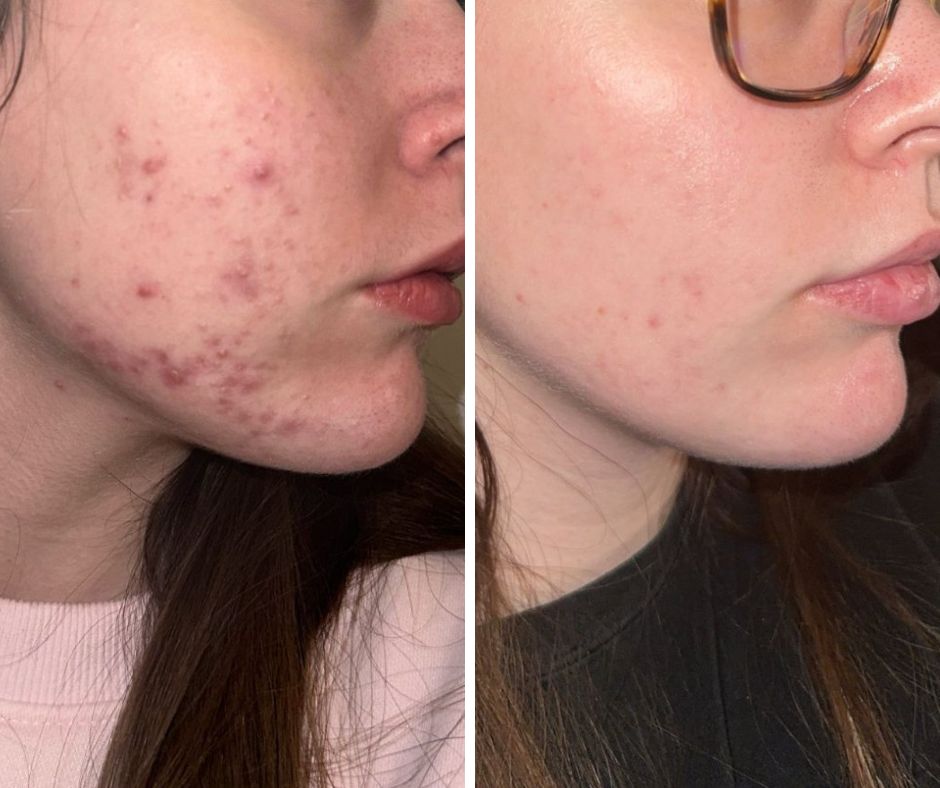
Before and after: an example of the treatment course
This example shows the results of one patient with inflammatory acne on her cheeks and along the jawline. The treatment lasted about a year, with visits roughly once a month at first, and less frequently later on. Deep-cleansing facials and chemical peels were applied first to calm the inflammation, and then, for skin quality and acne marks, SkinPen and a phyto-peel, alongside regular home care. The result varies from person to person. The full case, with the course of treatment and results, is described on our blog.
Initial results
Usually after 6 to 8 weeks of regular therapy
Therapy
Topical therapy, alongside additional procedures when recommended by a dermatologist
Follow-up
Follow-up visits at which the plan is adjusted as needed
Skincare during therapy
During therapy, the skin is often drier and more sensitive, so skincare should be simple and gentle. The face is washed twice a day with a mild cleanser, without harsh scrubs and brushes. After washing, a non-comedogenic moisturiser is used, and sunscreen during the day, because certain preparations increase the skin's sensitivity to the sun. Make-up and cosmetics should be non-comedogenic, and blemishes should not be squeezed. More about cosmetics that help with acne can be found in an article on the Beauty & Health blog.
Skincare product recommendations for acne-prone skin from Dr Miloš Živković and Dr Ivica Jeremić are shown in the video.
Price of acne examination and treatment
The cost of acne treatment depends on the required examinations, the chosen therapy and any additional procedures. The prices for dermatological examinations can be found in dermatology price list, and the price of laser procedures, including ClearSkin, in the laser treatments price list. The treatment plan and scope are agreed upon after the examination.
Our dermatologists
Who manages acne treatment at Imedic?
Have a question?
Frequently asked questions about acne treatment
What do I need to bring to my first appointment for acne?
It is useful to bring the preparations and cosmetics being used, or photographs of them, information on previous acne treatments and how long they lasted, as well as test results and reports from other doctors, if any exist. It is best to arrive for the appointment without make-up, so that the skin can be examined thoroughly.
Does everyone need hormone blood tests?
No. The tests are recommended when there are signs of a hormonal disorder, for example irregular cycles, excessive hair growth, or the sudden onset of acne in adulthood, as well as when acne does not respond to conventional treatment. This is decided by a dermatologist during the examination.
When can you tell whether the treatment is working?
The first assessment is usually after 6 to 8 weeks, and the initial therapy is generally evaluated around the 12th week. In the first few weeks, improvement can be slow, so it is important not to interrupt the therapy before the follow-up appointment.
What if the products cause dryness or irritation?
Dryness, mild redness and stinging are common in the first weeks of topical therapy and usually subside with hydration and adjusted application. If these symptoms are pronounced, inform your dermatologist, who may change the method of application or the preparation. Therapy should not be interrupted or changed independently.
Can make-up be used during therapy?
Yes, as long as it is non-comedogenic and doesn't irritate the skin. In the evening, make-up should be removed thoroughly yet gently. For days when you have a peel or laser treatment, the dermatologist will advise when make-up can be used again.
Does every patient need laser treatment or a peel?
No. For many patients, treatment prescribed by a dermatologist and a proper skincare routine are sufficient. Lasers, peels, or other procedures are introduced when they can help speed up the calming of inflammation or when treatment alone is not enough.
Is the ClearSkin laser sufficient for completely resolving acne?
The ClearSkin laser can significantly contribute to reducing inflammation and improving skin quality, but on its own it is most often not sufficient for long-term acne control. Acne is a chronic inflammatory disease that requires a combination of therapy prescribed by a dermatologist and targeted treatments, so the decision to use a laser is made after an examination as part of an individual treatment plan.
What do you do when acne comes back?
Acne is often a chronic condition and can return even after successful treatment. A new assessment is then required: a dermatologist checks whether the type of acne, skincare or another factor has changed and adjusts the therapy. Maintenance therapy reduces the likelihood of recurrence.
When are scar treatments planned?
Most commonly when active acne is under control, as inflammation can diminish the treatment result and lead to new scars. Certain procedures can also be planned earlier, according to the dermatologist's assessment.
Is acne hereditary?
Genetic predisposition plays a role in the development of acne, although its exact impact is not yet fully understood. It has been observed that a tendency towards more severe forms of acne often runs in families.
Will acne go away on its own?
In some people, acne clears up spontaneously after puberty, while in others it persists into adulthood. In most cases, acne can be successfully controlled with treatment suited to the type of acne and the skin.
How long does acne last?
The course and duration of acne are individual and depend on several factors – age, hormones, genetic predisposition and skincare. Therefore, it is important to start treatment early, as untreated acne can leave scars and marks and affect self-confidence.
Book acne treatment in Belgrade
Imedic poliklinika is located at Kneza Miloša 23, 2nd floor, Belgrade. Opening hours: Monday–Sunday, 9:00–21:00.
Appointments can be booked by phone: 064 237 0707. If you contact us from abroad, we are also available via Viber and WhatsApp on the same number.
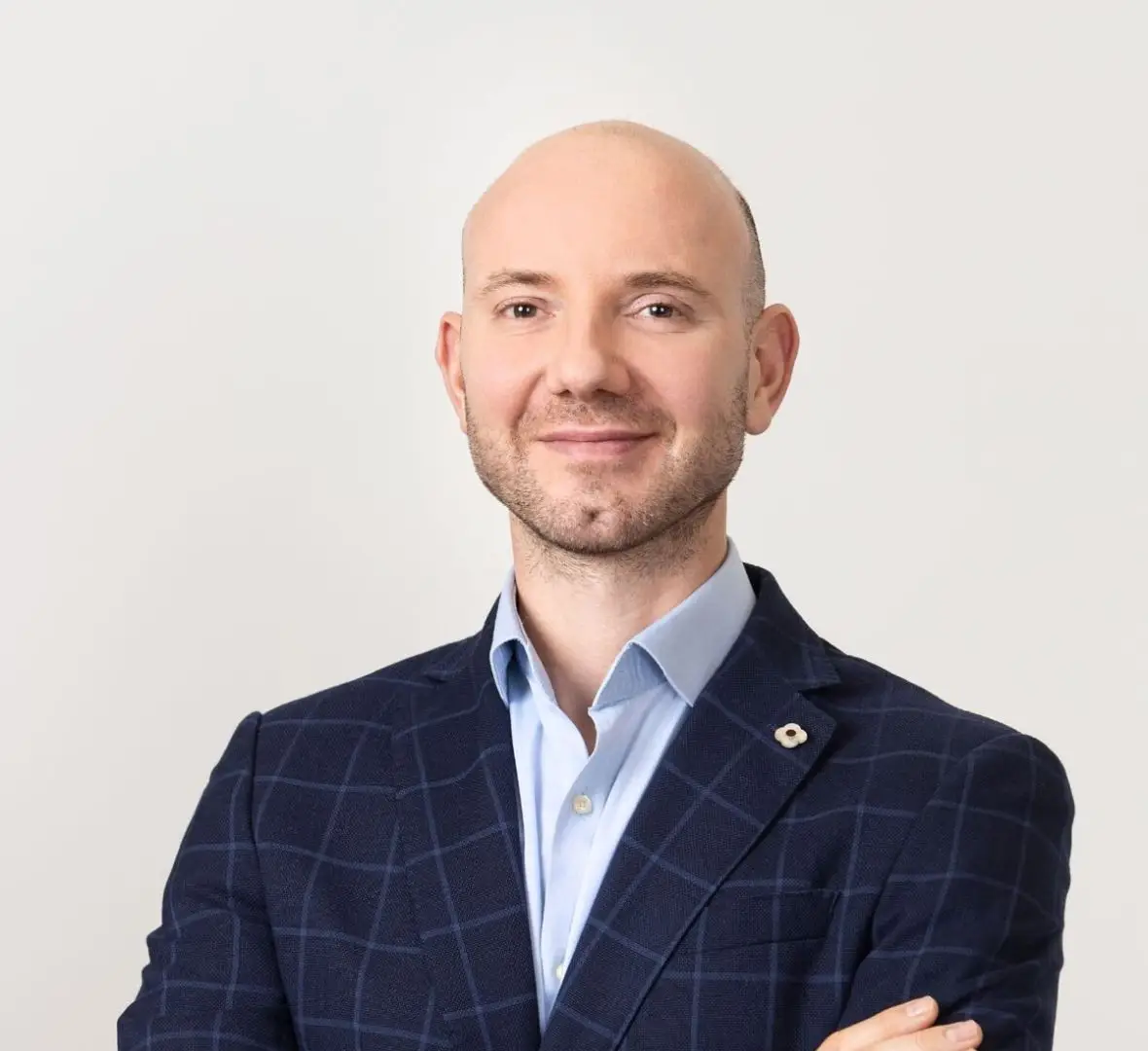
Author: Dr Ivica Jeremić
PhD in Medical Sciences (Molecular Medicine and Immunology), rheumatology subspecialist, dermatology resident.
Updated:
Expert sources
- Reynolds RV, Yeung H, Cheng CE, et al. Guidelines of care for the management of acne vulgaris. Journal of the American Academy of Dermatology, 2024. PMID: 38300170.
- National Institute for Health and Care Excellence (NICE): Acne vulgaris: management (NG198), 2021.
- Acne Vulgaris. StatPearls, NCBI Bookshelf.
Professional dermatological supervision and reliable information
The text on this page has been written in accordance with the clinical practice of Imedic poliklinika and verified by a specialist in dermatovenereology. The expert sources are listed above. Acne treatment is managed by a specialist physician in dermatovenereology. The choice of therapy and additional procedures, including laser acne treatment, is decided individually, based on an examination, the type and severity of acne, and previous treatments. A personal examination by a dermatologist is essential for a diagnosis and treatment plan.






