Keloid and hypertrophic scar treatment in Belgrade
Keloids and hypertrophic scars are raised, thickened scars that may be accompanied by redness, itching, tenderness or skin tightness. Treatment is tailored to the type of scar, its age, location and previous therapies. At Imedic poliklinika in Belgrade, the plan may include corticosteroid injections, appropriate laser and light treatments, or a combination of these. The goal is to reduce thickening, soften the scar and alleviate symptoms, with results monitored at follow-up visits.
Keloids and hypertrophic scars – a brief overview
| What they are | Raised, thickened scars, often red, itchy or tender |
|---|---|
| Examination | Dermatological examination and assessment of the type, age, and activity of the scar |
| Treatments we offer | Corticosteroid injections into the scar, CO2 laser and redness treatments (Yellow laser and DYE VL) |
| Treatment plan | A course of treatment, often combination therapy; the protocol is determined by the physician |
| When to start | As soon as possible after the scar forms, as younger scars respond better |
| Follow-up | Follow-up visits to assess height, firmness, colour and symptoms |
Difference between a keloid and a hypertrophic scar
Both scars occur when the skin produces too much connective tissue during healing, but they differ in how they spread and how they behave over time.
| Feature | Keloid | Hypertrophic scar |
|---|---|---|
| Borders | It can extend beyond the borders of the original injury | It stays within the borders of the injury |
| Course of development | It can continue to grow over time | Over time, it can become less pronounced |
| Symptoms | Possible itching, pain or tightness | Possible itching, pain or tightness |
| Treatment plan | It often requires a combined approach and monitoring | It depends on maturity, thickness, colour and location |
Raised scars are different from depressed ones, which remain after acne. You can read more about them on our page about acne scars.
How are they formed and who is more prone?
Keloids and hypertrophic scars occur when the skin responds to injury by producing too much connective tissue. They appear after surgery, cuts, burns, piercings, skin inflammations and inflammatory changes, including acne, and in prone individuals sometimes without a clear cause. Unlike raised scars, depressed acne scars require a different approach, for example subcision.
People who already have a keloid or a family history of keloids are more prone to them, as are people with darker skin. They are more common on the chest, shoulders, back, neck, earlobes, and along the jawline, i.e. in places where the skin is subjected to tension. The tendency to form keloids is also important when planning aesthetic procedures, as it influences the choice of treatment.
What does the examination involve?
The diagnosis is made by a dermatologist at the examination. The appearance, borders, firmness and colour of the scar are assessed, as well as whether it is changing and causing any symptoms. It is important to state when the scar formed, what preceded it and which treatments have been used so far.
A clinical examination is usually sufficient for diagnosis. When the appearance of the lesion is not typical, the doctor may recommend additional diagnostics, such as a skin biopsy. Following the examination, the goal of treatment is agreed: reduction of elevation, alleviation of redness, softening of the tissue, or reduction of itching and tightness.
How are keloids and hypertrophic scars treated?
Corticosteroid injections
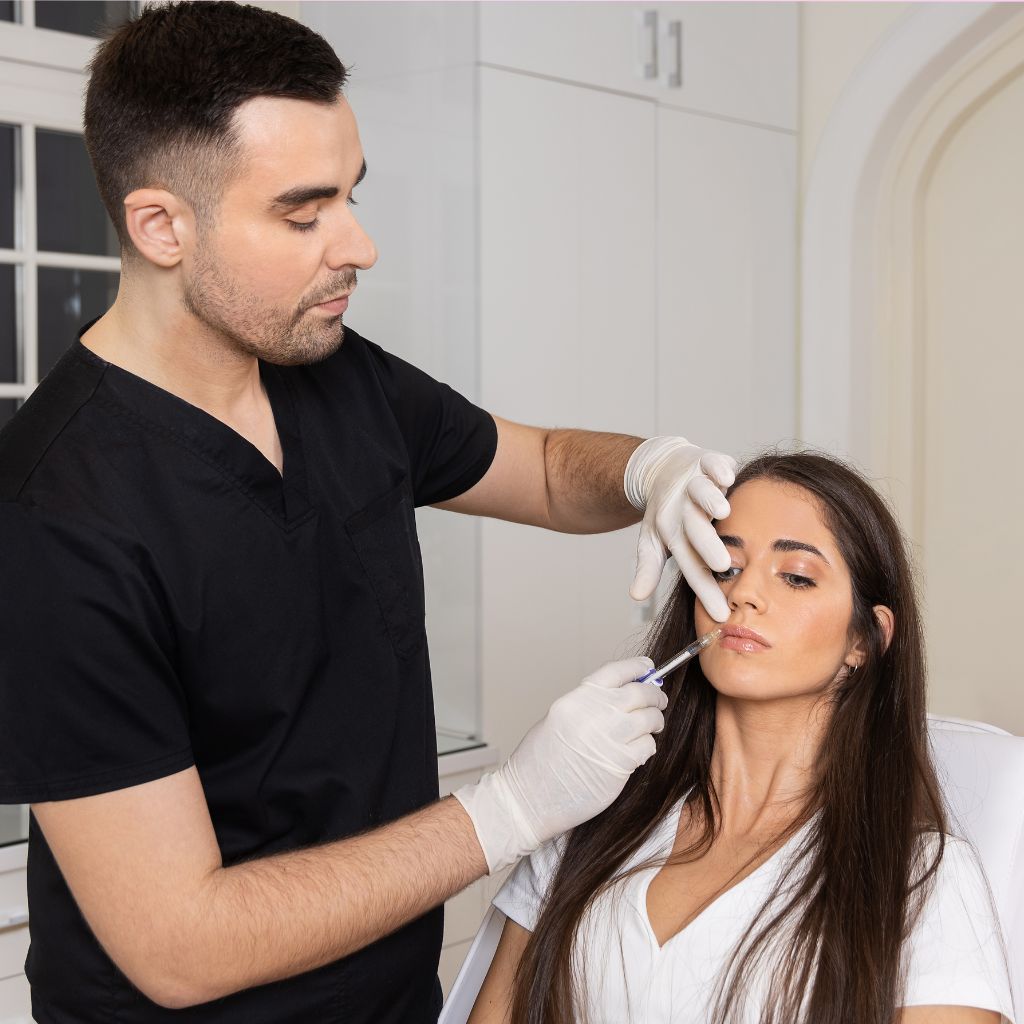
The corticosteroid is injected directly into the scar tissue. Therapy can help reduce thickening, redness, itching and tightness. The number of injections and the intervals between them are determined by the doctor according to the scar's response, and at follow-up visits the doctor assesses the effect and possible local reactions, such as pigment changes or thinning of the skin at the injection site.
CO2 laser for existing scars A
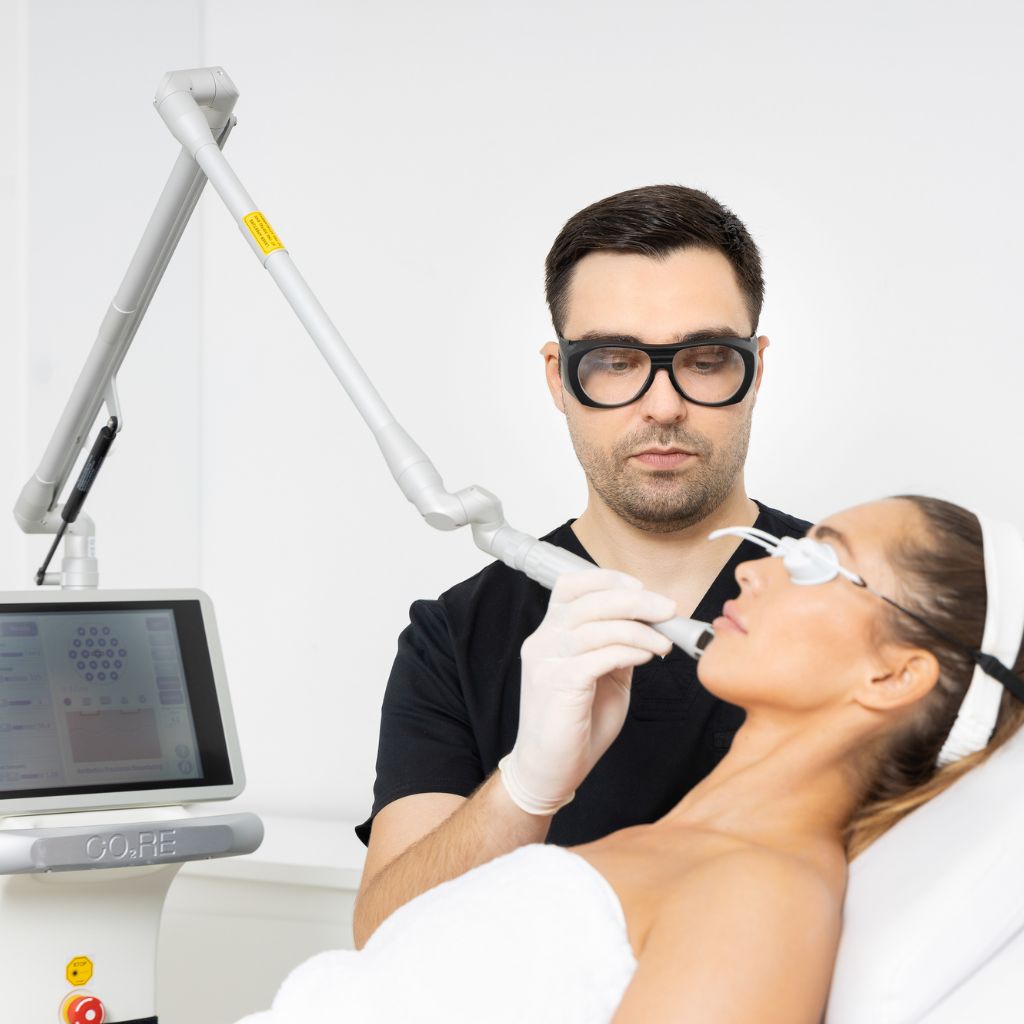
CO2 laser can be used for the targeted treatment of certain existing scars, to reduce thickening and improve their structure. A dermatologist assesses the type, activity, size and location of the scar, as well as previous responses to therapy, as not every keloid is a candidate for laser treatment. For selected scars, the laser is included in a combination plan, most commonly alongside injection therapy, and the parameters are adjusted to suit the scar. Ablative treatment requires a recovery period, and the doctor will give you aftercare instructions. This differs from an aesthetic CO2 skin treatment in a person prone to keloids, where the risk of forming a new scar is the reason to avoid the procedure or choose another method.
Redness treatments – Yellow laser and DYE VL
For fresh, red and vascularly active scars, we use the Yellow laser and DYE VL, a light treatment based on AFT technology. They act on the blood vessels within the scar, reducing redness and helping the scar blend better in colour with the surrounding skin. They affect the thickness of the scar indirectly, so for raised lesions they are combined with other methods.
Combination therapy
For keloids, multiple methods are most commonly combined, as a single one does not affect all the characteristics of the scar: injection therapy for the thickening, redness treatments for the colour, and laser for the structure. The sequence and intervals are determined by the doctor according to the scar's response.
Silicone preparations and compression therapy
Silicone gels and silicone sheets are applied to healed skin, on the recommendation of a doctor, and are worn daily for an extended period. They are not placed on an open wound. Compression therapy is a separate procedure: pressure is applied to the scar using an elastic bandage, garments or special inserts, most commonly for burn scars and on certain areas of the body. Both methods are used as a supplement, not as a replacement for treatment carried out by a doctor.
How many treatments are needed and how is the result monitored?
The number of treatments and intervals depend on the type of scar, its age and the response to previous therapy. During follow-up appointments, the height, firmness and colour of the scar and the symptoms it causes are assessed, so the plan is adjusted if necessary.
The result develops gradually, over several months. With keloids, re-thickening is possible, which is why follow-up is part of the treatment. If renewed growth, redness or itching is noticed, it is advisable to contact us sooner for a follow-up assessment.
Aftercare
After corticosteroid injections, the injection site may be tender, and bruising is possible. Everyday activities are resumed immediately, and the area must not be massaged or exposed to unnecessary irritation.
After ablative laser treatment, redness, swelling and crusting occur, and the skin is cared for according to the doctor's instructions, using skin repair products and sun protection. Do not pick off the crusts.
After a redness treatment, the skin is usually briefly red and warm to the touch, with no special recovery needed.
Sun protection is important after all treatments, as the sun can increase redness and scar pigmentation. Silicone preparations are used as recommended by a doctor and only on healed skin.
Keloid and hypertrophic scar treatment price
The price depends on the type, size and number of scars and the proposed procedure. Consultation prices can be found in the dermatology price list, and the prices of laser treatments in the laser treatments price list. A photograph of the scar can be sent via Viber or WhatsApp to 064 237 0707, for a rough price estimate, while the final treatment plan is determined after the examination.
Our doctors
Who carries out the examination and treatment of scars?
Have a question?
Frequently asked questions about keloids
Can a keloid be completely removed?
Therapy can significantly reduce the elevation of the scar and the discomfort it causes, while the complete disappearance of a keloid is rarely a realistic outcome. The goal and expected result are determined according to the specific scar, and with keloids, continued monitoring is also important, as the lesion can recur.
What is the difference between a keloid and a hypertrophic scar?
A keloid can extend beyond the borders of the original injury and continue to grow, whereas a hypertrophic scar remains within the boundaries of the injury and may become less pronounced over time. Both types can cause itching, pain or tightness.
Are keloids treated with a CO2 laser?
In selected cases, yes. A CO2 laser is used with targeted precision, most often in combination with injection therapy, and the doctor assesses whether a specific scar is suitable for that treatment based on its type, activity, and location.
Are corticosteroid injections painful?
During application, a brief stinging or pressure sensation is felt, as the scar tissue is firm. The procedure itself is short, and an anaesthetic cream or cooling is applied if necessary.
How many treatments are needed?
It depends on the type and size of the scar and the response to treatment. A series of treatments is usually required at intervals determined by the doctor, along with follow-up appointments to assess progress.
Can a scar thicken again?
With keloids this is possible even after successful therapy, so the result is maintained through monitoring and, where necessary, additional treatments. With hypertrophic scars, re-thickening is less common.
When should a post-operative scar be checked?
The scar is assessed once the wound has healed and the stitches have been removed. Early examination is useful for individuals who have previously had a keloid, as therapy can then be started in good time, while the scar is young.
Can old scars be treated?
Yes, but older and more mature scars usually respond more slowly and require more treatments than fresh ones. An assessment is made during the consultation.
Can a treatment plan be determined from a photograph?
No. The photograph serves as a rough guide regarding potential treatments and pricing, whereas the type of scar, its activity and the treatment plan are only determined during the consultation.
Why is a predisposition to keloids a contraindication for aesthetic CO2 treatment?
Because in individuals prone to keloids, any skin injury, including a large-scale aesthetic ablative treatment, can trigger the formation of a new scar. Targeted treatment of an existing keloid is a separate medical indication, which the doctor assesses on a case-by-case basis.
Book a scar consultation in Belgrade
Imedic poliklinika is located at Kneza Miloša 23, 2nd floor, Belgrade. Opening hours: Monday–Sunday, 9:00–21:00.
Appointments can be booked by phone: 064 237 0707. If you contact us from abroad, we are also available via Viber and WhatsApp on the same number.
Author: Dr Ivica Jeremić
PhD in Medical Sciences (Molecular Medicine and Immunology), rheumatology subspecialist, dermatology resident.
Updated:
Expert sources
- American Academy of Dermatology : Keloids: Diagnosis and treatment.
- Gold MH, McGuire M, Mustoe TA, et al. Updated international clinical recommendations on scar management: part 2 – algorithms for scar prevention and treatment. Dermatologic Surgery, 2014. PMID: 25068544.
- Monstrey S, Middelkoop E, Vranckx JJ, et al. Updated scar management practical guidelines: non-invasive and invasive measures. 2014. PMID: 24888226.
Professional dermatological supervision and reliable information
The text on this page has been written in accordance with the clinical practice of Imedic poliklinika and reviewed by a dermatovenereology specialist. The expert sources are listed above.
Treatment of keloids and hypertrophic scars is managed by a physician. The choice of therapy – corticosteroid injections, laser and light treatments, or a combination thereof – is decided individually, based on an examination, the type and age of the scar. The goal is to reduce thickening and symptoms and to control further growth of the lesion, while monitoring the results.
For diagnosis and a treatment plan, an in-person examination by a dermatologist is essential.