Anti-cellulite treatments
If you are troubled by cellulite, you are not alone – it is estimated to occur in a large number of women, regardless of body type, age or level of physical activity. By combining different treatments, it is possible to target multiple causes of cellulite – from localised fatty deposits and poor microcirculation to skin laxity – and thus achieve a visibly smoother and more even skin surface.
Anti-cellulite treatments – in brief
| What is being treated | Cellulite, from mild to pronounced and fibrotic |
|---|---|
| Treatments | Shockwave therapy, electrostimulation and Emsculpt, pressotherapy, mesotherapy and subcision, individually or in combination |
| Treatment plan | The protocol is determined by the type of cellulite and the condition of the tissue. |
| Packages | For the combination of multiple procedures there are body contouring packages |
Cellulite affects the majority of women
Read more about the types of cellulite and what helps with each type in the text Cellulite treatments: which one suits which type of cellulite.
about cellulite
What is cellulite?
Cellulite is a change in the structure of subcutaneous tissue that leads to an uneven skin surface, known as “orange peel skin”. It occurs in the layer between the skin and muscle, where fat cells, connective tissue, and blood and lymphatic vessels are located.
With cellulite, changes occur in the arrangement of fat cells and connective tissue fibres. Fat cells can enlarge and push tissue towards the skin's surface, while the connective septae that connect the skin to deeper layers pull the skin inwards at certain points. It is precisely this combination of bulges and depressions that creates the characteristic uneven texture of the skin.
Other factors also play an important role in the formation of cellulite, such as slowed microcirculation, fluid retention in the tissue and weaker lymphatic drainage. When circulation in the subcutaneous tissue is weaker, there is an accumulation of fluid and metabolic waste products, which can further worsen the appearance of cellulite.
Hormones, genetics, lifestyle, the level of physical activity and the structure of connective tissue also influence the appearance of cellulite. Because of this, cellulite can also occur in people who have a normal body weight and take care of their diet and training.
Understanding how cellulite develops is important for choosing the right treatments. That is precisely why modern aesthetic medicine uses a combination of procedures that target different factors – fatty tissue, microcirculation, the lymphatic system and skin quality.
What types of cellulite exist?
Cellulite can vary in its appearance and structure, so in practice it is most commonly divided into several basic types. Understanding the type of cellulite is important because different forms are treated in different ways.
Soft cellulite it most commonly occurs in people who have poorer skin tone or have lost weight. The skin looks loose, and the irregularities are visible both when standing and when lying down. This type of cellulite is usually milder and often responds well to treatments that improve skin tone and microcirculation.
Hard cellulite it most commonly occurs in younger people and those with good muscle tone. The skin is firm, but the dimples are more pronounced when the skin is pinched or when the muscles are flexed. This type of cellulite is often associated with rigid connective tissue fibres that create characteristic unevenness on the skin's surface.
Fibrous cellulite It represents a more advanced form of cellulite. In this case, the connective tissue fibres become thickened and rigid, making the skin irregularities more pronounced and often sensitive to the touch. This type of cellulite is more stubborn and usually requires a combination of different treatments to achieve visible results.
In practice, it often happens that a person does not have just one type of cellulite, but a combination of different types depending on the region of the body. Precisely for this reason, the anti-cellulite treatment plan is always tailored individually, in accordance with the condition of the tissue and the type of cellulite.
Why does cellulite occur?
Cellulite occurs as a result of a combination of several factors that affect the subcutaneous tissue. In the layer between the skin and muscles, there are fat cells, connective tissue, and blood and lymphatic vessels. When changes occur in the arrangement of fat cells, microcirculation, and the structure of the connective tissue, the skin's surface can become uneven and acquire the appearance of so-called “orange peel”.
One of the important factors in the development of cellulite is the increase in the volume of fat cells. When they enlarge, they begin to push the tissue towards the skin's surface. At the same time, the connective tissue septa that connect the skin to deeper tissue layers pull the skin down in certain places. This combination of bulges and depressions creates the characteristic uneven skin structure.
The appearance of cellulite is also influenced by the state of microcirculation. When blood and lymph flow in the subcutaneous tissue is slowed down, retention of fluid and metabolic waste products in the tissue can occur. This further contributes to swelling and changes in the structure of the subcutaneous tissue.
Hormones also play a significant role in the development of cellulite, especially estrogen, which affects fat distribution and connective tissue structure. Because of this, cellulite occurs much more frequently in women than in men.
In addition, the development of cellulite can be influenced by genetics, lifestyle, physical activity, diet and the quality of connective tissue. That is precisely why cellulite can also occur in people who have a normal body weight and maintain healthy habits.
How to get rid of cellulite?
Given that cellulite occurs as a result of a combination of multiple factors – changes in fatty tissue, connective tissue and microcirculation – reducing it usually requires a combined treatment approach. Modern anti-cellulite treatments target the various causes of cellulite in order to achieve a visible improvement in skin texture and a reduction in the so-called “orange peel” skin.
In practice, this means that procedures acting on adipose tissue, improving circulation and lymphatic drainage, and also affecting skin quality and firmness are often combined.
In our anti-cellulite protocol, we use several different treatments which, depending on the condition of the tissue and the type of cellulite, can be applied individually or in combination:
- Shockwave therapy
- Electromuscular stimulation and Emsculpt treatment
- Lymphatic drainage
- Alma PrimeX treatment
- Anti-cellulite mesotherapy
- Subcision
Each of these treatments has its own specific role in tackling cellulite, which is why the treatment plan is always tailored individually, depending on the type of cellulite, the area being treated and the desired result.
Anti-cellulite treatments before and after
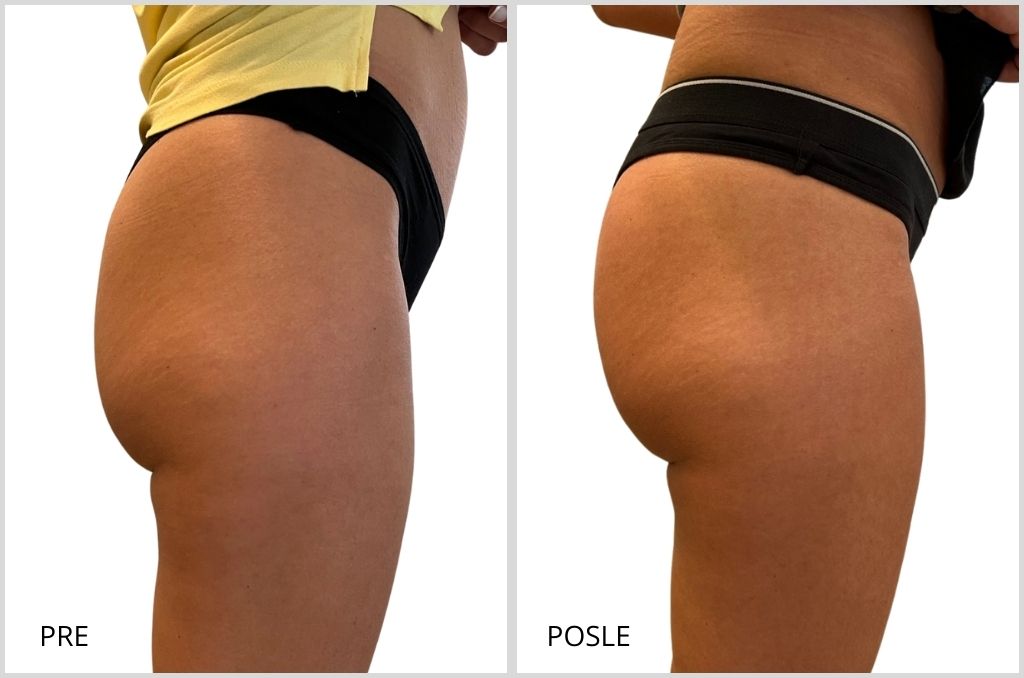
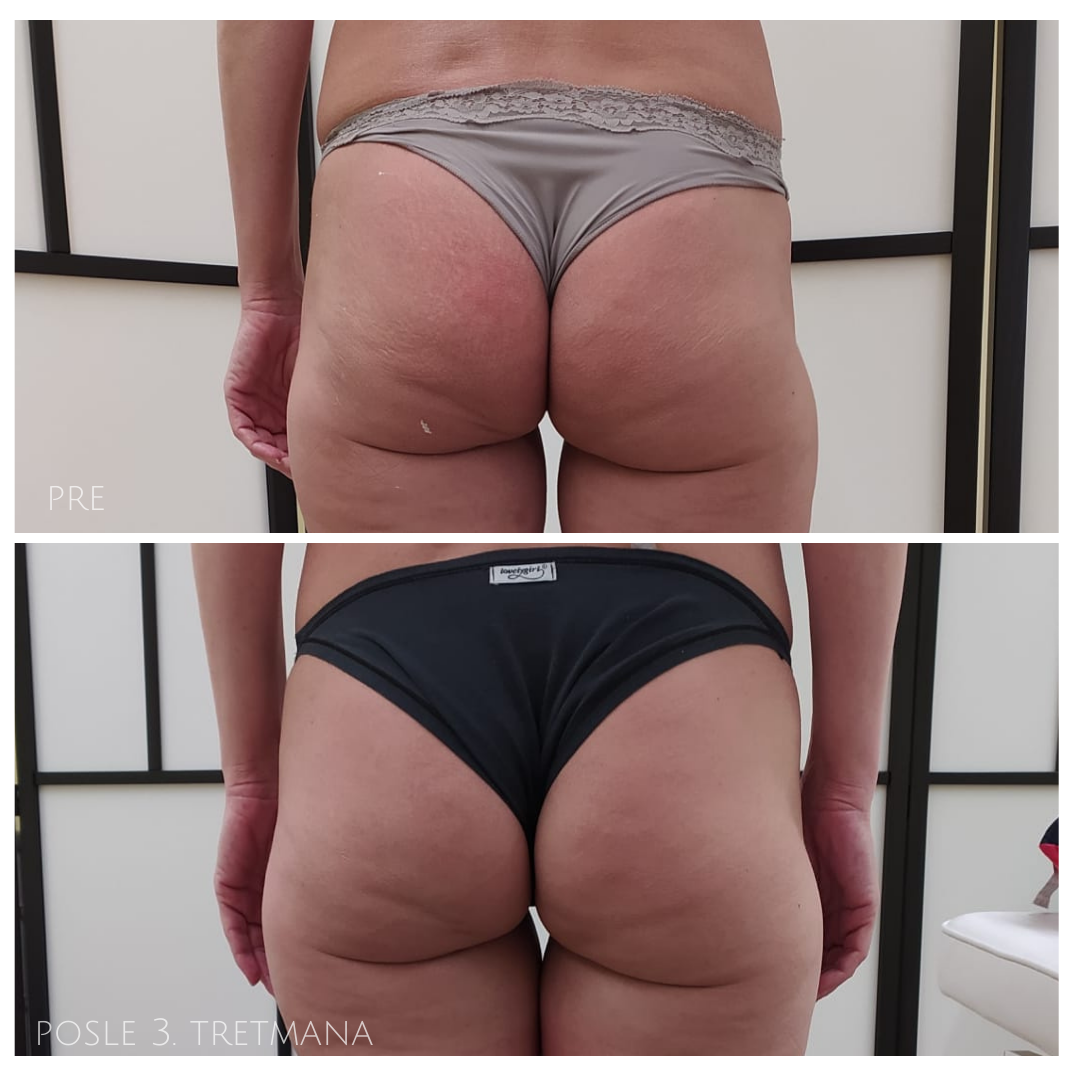
Cellulite is treated with a combination of methods, according to the type of cellulite and the condition of the tissue. The photographs show the buttocks and back of the thighs before and after treatment: the skin is smoother and the dimples are less pronounced.
Treatments
Shockwave, Emsculpt, pressotherapy, mesotherapy and subcision
Treatment plan
Protocol according to the type of cellulite and tissue condition
Packages
Packages for body contouring are available for a combination of multiple procedures.
Our anti-cellulite protocol
Anti-cellulite protocol
The anti-cellulite protocol consists of several carefully selected treatments that act on the various causes of cellulite. Each of them has a precisely defined role, and combined they provide a more pronounced and longer-lasting result.
Shockwave therapy
BTL Shockwave therapy is an essential part of the protocol for pronounced and stubborn cellulite. This method uses high-energy acoustic shock waves that specifically target subcutaneous fatty tissue and the fibrous structures that cause the “orange peel” appearance. Shockwave therapy acts on thickened connective tissue septa, improves local circulation and stimulates the production of new collagen, leaving the skin smoother and firmer.
Electromuscular stimulation and Emsculpt treatment
Electromuscular stimulation and Emsculpt treatment They are combined in this protocol because they act on the same problem from a different angle — muscle tone. These technologies induce powerful, controlled muscle contractions that cannot be achieved through voluntary contraction during a conventional workout. By strengthening the muscle mass beneath the skin, body contours are improved, the appearance of cellulite is reduced, and a firmer, more toned shape is achieved. This part of the protocol is particularly important for individuals who are slender but have pronounced cellulite due to weaker muscle support.
Lymphatic drainage
Lymphatic drainage, meaning BTL Lymphastim pressotherapy, plays an important role in eliminating excess fluid and metabolic products of fat cell breakdown. Through mechanical stimulation of the lymphatic system, swelling, bloating and the feeling of heaviness in the legs are reduced, while at the same time improving the appearance of the skin. It contributes to a better skin appearance and complements the effects of other procedures in the protocol.
Alma PrimeX
Alma PrimeX The treatment includes a combination of ultrasound and radiofrequency technology and is used for the further reduction of localised fat deposits and skin tightening. Ultrasound acts on the adipose tissue, while radiofrequency stimulates collagen and elastin, thereby improving skin tone and reducing the laxity that often accompanies cellulite, particularly after weight loss.
Anti-cellulite mesotherapy
Anti-cellulite mesotherapy enables the direct application of active substances into the superficial layers of subcutaneous tissue. In this way, the metabolism of fat cells and the breakdown of fat deposits are targeted and accelerated, thereby enhancing the effect of machine treatments and achieving more uniform results.
Subcision
For pronounced, deep and fibrotic cellulite, the protocol is supplemented with subcision as needed. This minimally invasive procedure aims to sever the fibrous connective bands that pull the skin downwards and create characteristic dimples. Subcision acts on the mechanical cause of dimples in fibrotic cellulite, which is why it is frequently included in the treatment plan for this type of cellulite. We have described the procedure and recovery on the page subcision of cellulite.
Anti-cellulite treatment price
The price of the anti-cellulite treatment depends on the type of procedure and the area being treated. A plan is made after an examination, according to the type of cellulite. The prices of individual treatments can be found on the page Price list – body treatments, and for a combination of multiple procedures there are body contouring packages.
Have a question?
Answers to frequently asked questions
Can cellulite be completely removed or just reduced?
It depends on the type and depth of the cellulite. With milder and moderate forms, the skin becomes visibly smoother after a series of treatments. With stubborn, fibrotic cellulite, the goal is a marked improvement in texture rather than completely smooth skin.
Why do home remedies and massages often fail to provide lasting results?
Because they work on the surface. Cellulite develops in the deeper layers of subcutaneous tissue, where fat cells, fibrous septae and impaired circulation are present. Without device-based and targeted methods, the effects are usually short-lived.
Is the anti-cellulite protocol tailored to each person?
Yes. The type of cellulite, region, skin quality and general state of the body determine the combination of treatments and their schedule. There is no universal protocol that is the same for everyone.
Can the treatments be carried out all year round?
Yes. Anti-cellulite treatments are not seasonally restricted and can be carried out throughout the year, including the spring and summer months.
Does every treatment require recovery?
No, recovery depends on the procedure:
- Shockwave therapy, electrostimulation, Emsculpt, pressotherapy and Alma PrimeX they are non-invasive and require no downtime; transient sensitivity, redness or mild muscle soreness are possible.
- Mesotherapy It is an injection method: tiny puncture marks, swelling and bruising may be present for a few days.
- Subcision is a minimally invasive procedure: swelling, bruising and tenderness can last from a few days to two weeks, and the doctor gives care instructions and activity restrictions.
What you can specifically expect, the doctor explains during the examination, according to the plan made for you.
Is this protocol a substitute for exercise and nutrition?
No. It addresses what exercise and diet often cannot — localised, stubborn cellulite. The results are more lasting when treatments are part of a broader approach that includes movement and nutrition.
Can cellulite return after finishing the protocol?
If the unchanged factors that led to its formation remain (prolonged sitting, poor circulation, hormonal imbalance), a gradual return is possible. Therefore, maintaining the results through occasional treatments and changes in habits is advised.
Do you perform cellulite subcision?
Yes. For fibrous cellulite, where connective tissue bands pull on the skin and create dimples, we perform cellulite subcision combined with mesotherapy. During the examination, the doctor will assess whether it is necessary for you. Read more about the procedure on the page subcision for cellulite dimples.
Who is not a candidate for anti-cellulite treatments?
Pregnant individuals, people with active skin infections, serious systemic diseases, or implants in the treatment area are not candidates without prior medical evaluation.
Book an anti-cellulite treatment in Belgrade
The Imedic Polyclinic is located at Kneza Miloša 23 street, 2nd floor, Belgrade. Opening hours: Monday–Sunday, 9:00–21:00.
Appointments are made by phone: 064 237 0707. If you contact us from abroad, we are also available via Viber and WhatsApp on the same number.
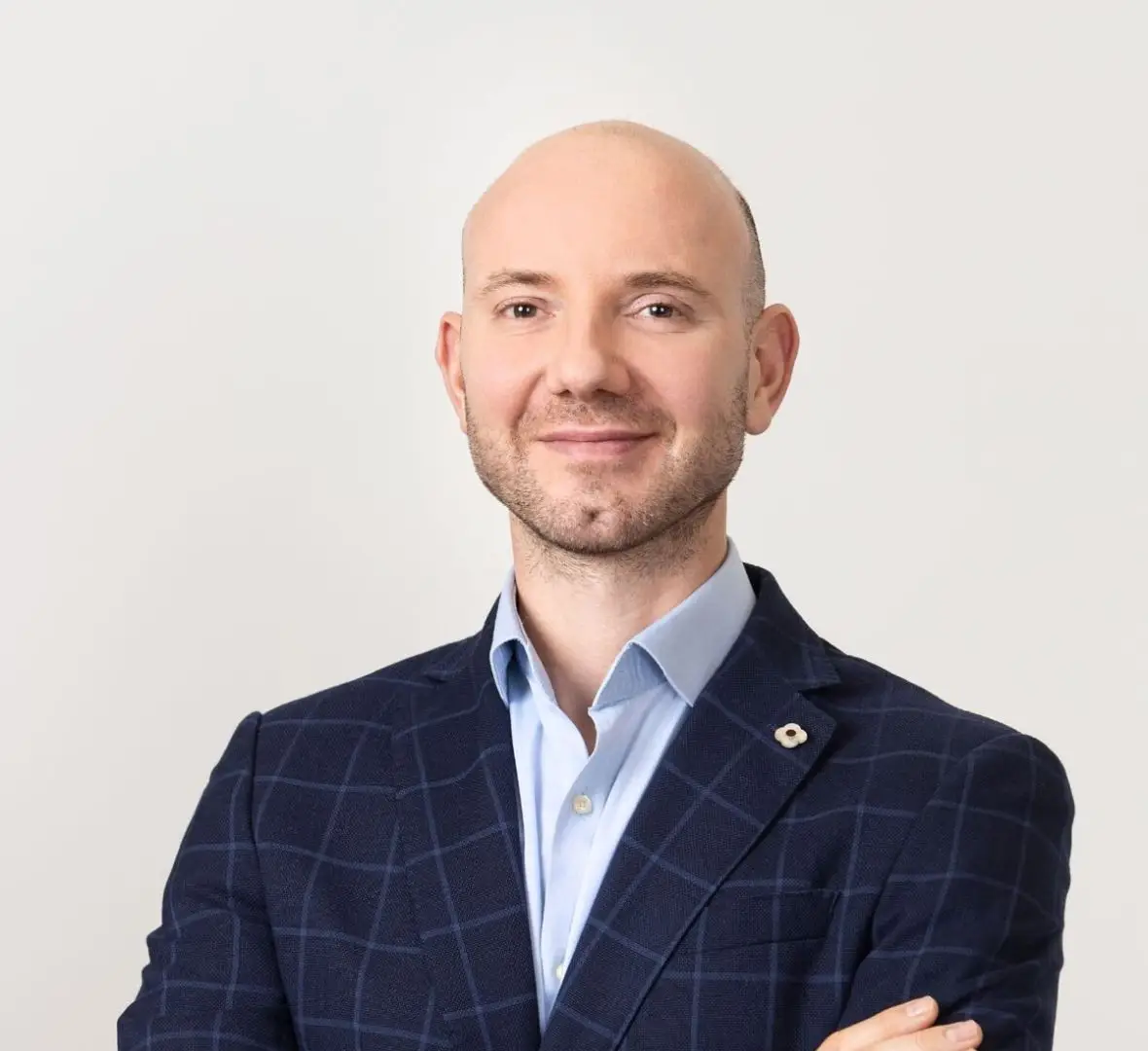
Author: Dr Ivica Jeremić
Doctor of Medical Sciences (Molecular Medicine and Immunology), subspecialist in rheumatology, dermatology resident.
Updated:






