Trichologist in Belgrade – hair and scalp dermatologist
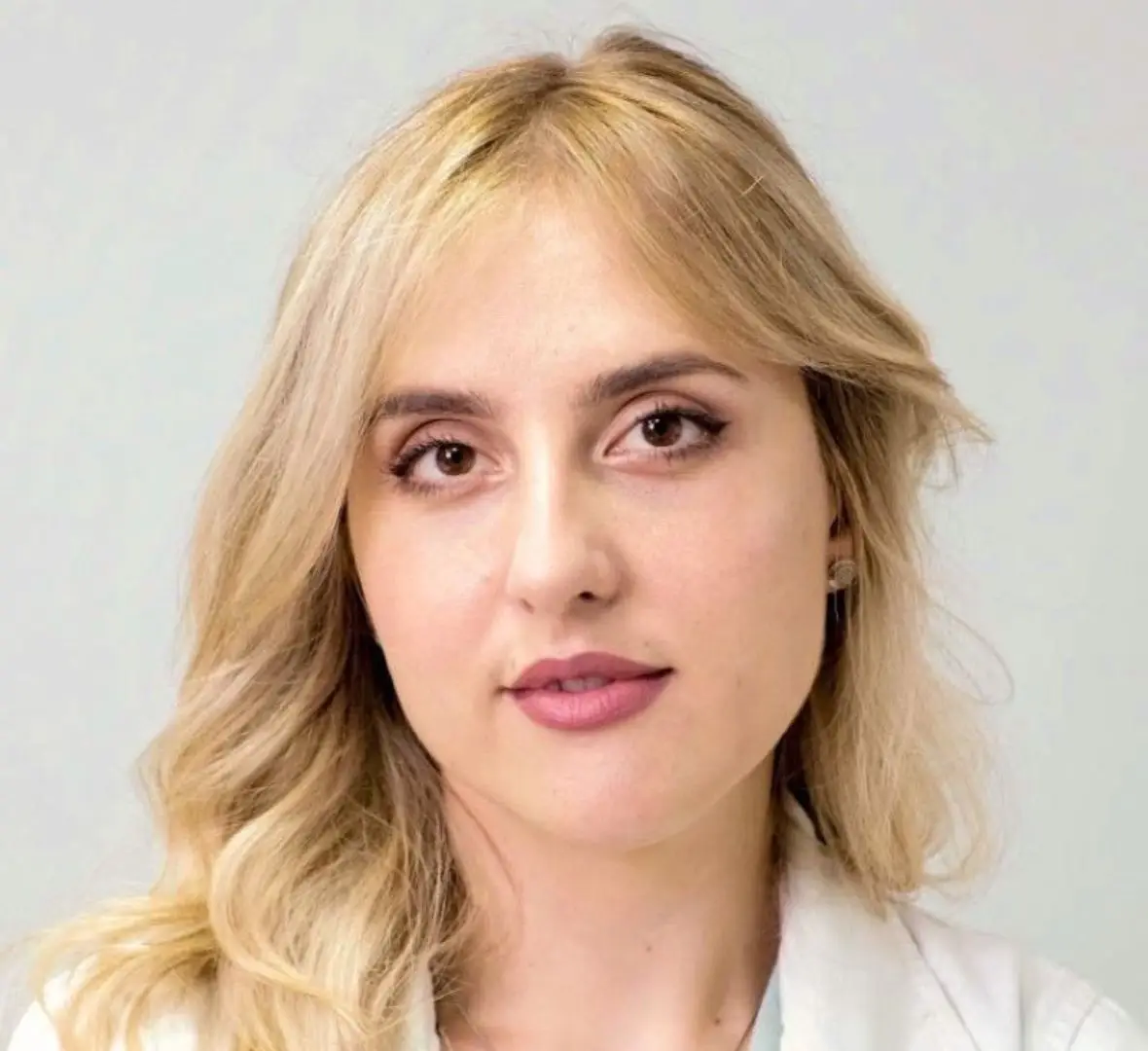
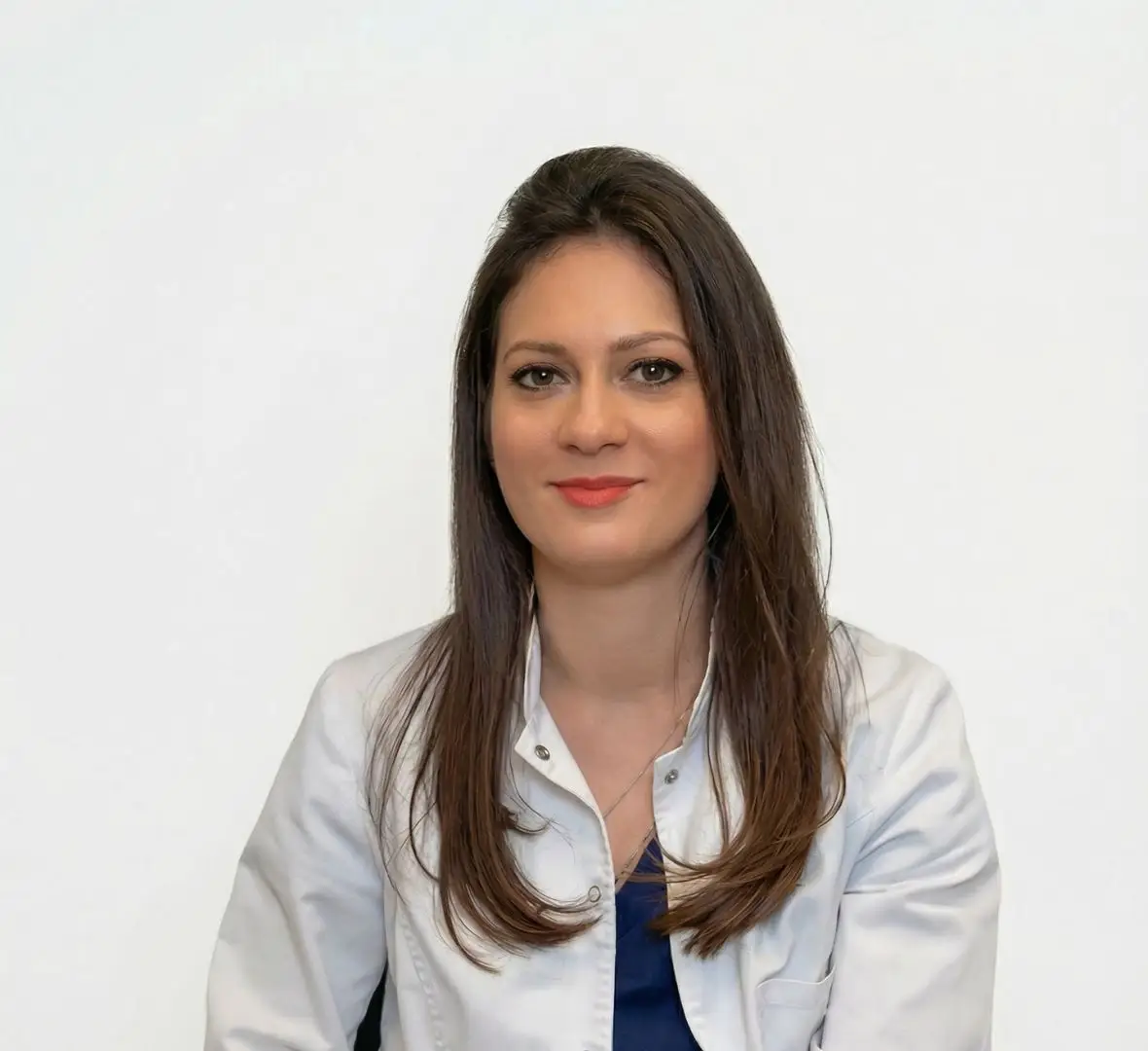
When hair starts to shed more heavily or thin out, people most commonly look for a trichologist, a hair doctor. In Serbia, hair and scalp conditions are treated by dermatologists. At the Imedic polyclinic in Belgrade, hair and scalp examinations are performed by Dr Marina Ćirović and Dr Sanja Kekić, specialists in dermatovenereology.
The examination includes a consultation, scalp check and digital trichoscopy. At the end you receive a report and a plan: treatment, further tests or monitoring.
On this page: What is a trichologist · When for a check-up · What does an examination look like · Blood test · Treatment · Price · Questions
Trichologist consultation – in brief
| Who reviews | Dermatologists Dr Marina Ćirović and Dr Sanja Kekić |
|---|---|
| What it includes | Consultation, scalp examination and digital trichoscopy with HairMetrix analysis |
| Duration | About 30 minutes |
| Preparation | Hair is neither cut nor shaved. Blood tests are not done in advance. |
| Price | 8,500 RSD, for both the initial examination and the follow-up. The price includes a dermatologist's examination and digital trichoscopy with photodocumentation and AI analysis. |
| Controls | At 3 to 6 months, with a comparison of scans |
What is a trichologist and are they a doctor?
A trichologist is actually a dermatologist who deals intensively with trichology, that is, hair and the scalp. There is no specialisation in trichology in Serbia, either among medical specialisations or sub-specialisations. Diseases of the hair and scalp are part of dermatology, and the specialisation in dermatovenerology lasts four years.
The word „trichologist“ does not mean the same thing everywhere, after all. In countries where trichology is taught on specialist courses, a trichologist does not have to be a doctor. Such a trichologist cannot prescribe medication, so they refer a patient who needs medicine or a procedure to a dermatologist. That is why a hair doctor here should be sought among dermatologists.
Before booking an appointment, wherever you go, ask whether the examination is carried out by a dermatologist. Treatment begins by determining the cause, and for an accurate diagnosis you should go to a dermatologist. A prescription-only medicine can only be prescribed by a doctor.
Who to contact for hair loss and when?
For hair loss, consult a dermatologist. It is normal to lose 50 to 100 hairs a day, so a few hairs on your brush are no cause for concern. Book an appointment when you notice any of the following:
- hair is falling out more than before or is gradually thinning
- the parting is widening or the hairline is receding
- circular hairless patches have appeared
- scalp is itchy, flaky, red or painful
- eyebrows, eyelashes, or beard are thinning
- hair loss after childbirth, illness or dieting does not stop
Increased hair loss often starts a few months after childbirth, an illness with a high temperature, surgery, major stress or significant weight loss. Such hair loss usually stops on its own. Hereditary thinning continues without treatment.
Treatment should be started in time, as follicles deteriorate over time, and at that point only a transplant helps. We do not perform hair transplants at Imedic. The earlier treatment is started, the greater the chances of the hair growing back.
What a hair dermatology appointment looks like
The consultation begins with a conversation: when the hair loss started, whether it came on suddenly, what preceded it and what you have used so far. Then the dermatologist examines the hair and scalp.
Follow trichoscopy, dermoscopic examination of the scalp under magnification. Follicular openings, the skin surrounding them, the hair shaft and blood vessels are visible. The examination is painless, and the hair is neither cut nor shaved.
During digital trichoscopy, images of selected regions are stored and processed using HairMetrix software. The software measures the hair count in the recorded region, their average thickness, and the ratio of thicker to thinner strands. Trichoscopy allows us to count hairs, accurately monitor progress, choose treatment, and check its effectiveness.
Trichoscopy helps to distinguish scarring from non-scarring hair loss and early hereditary thinning from temporary increased shedding. When the findings are not sufficient, we take a swab or scraping, and less frequently is required skin biopsy is needed.
The whole examination takes about 30 minutes. At the end, the doctor explains the findings and suggests further steps.
Blood tests for hair loss
Do not get blood tests done in advance. The doctor requests them when, following a consultation and examination, they suspect an illness, vitamin deficiency, hormonal disorder, or infection.
Most commonly, a full blood count, iron and ferritin, thyroid function, vitamin D, and vitamin B12 are checked, and hormones if necessary. Evidence that these tests are useful in excessive hair loss is limited, so a doctor selects them based on findings rather than routinely.
Normal test results do not rule out a cause, such as a hereditary predisposition to thinning. Therefore, the findings are interpreted together with a scalp examination.
Take iron, zinc and biotin only when blood tests show a deficiency. With normal levels they can be harmful.
What the examination most frequently shows
Hair loss sometimes has more than one cause. These are the most common findings:
- Hereditary thinning (androgenetic alopecia). In women, the hair thins gradually, whereas in men, the hairline recedes or a bald patch appears on the crown. Find out more in the articles female pattern hair loss and male pattern baldness.
- Increased hair shedding following a trigger (telogen effluvium). Considerably more than 100 hairs fall out daily, most commonly a few months after childbirth, illness or stress.
- Alopecia areata. Hair falls out in round patches, „stamps“. Trichoscopy shows whether the disease is active or the hair is regrowing.
- Cicatricial alopecias. Open hair follicles disappear, so early recognition is important.
- Scalp conditions. Seborrhoeic dermatitis and psoriasis Scalps cause flaking and redness. A fungal scalp infection is treated with anti-fungal medicines.
We write more about the causes in the text Hair Loss: Causes, Examination and Treatments.
Treatment after examination
Treatment depends on the diagnosis. No medication works for everyone, and the result can only be seen after a few months.
Minoxidil no longer has to be applied to the scalp, it can also be taken orally. We prescribe oral minoxidil as a compounded preparation, and finasteride and dutasteride as ready-made medications. We prescribe the medications after an examination.
Low-dose oral minoxidil is used off-label. Smaller studies indicate that it is safe and effective, but large-scale studies are still lacking. A group of 43 dermatologists from 12 countries published guidelines for its use in 2025.
Minoxidil applied to the scalp shows results in 6 to 12 months and works while it is being used. Finasteride is used for male pattern hair loss, and improvement is usually seen after about 4 months.
From the treatment we do PRP hair treatment and hair mesotherapy. Platelet-rich plasma (PRP) is an option in the early stages of hair loss.
Scans are every 3–6 months. The new scans are compared with the initial ones to see if the treatment is working.
Price of the examination
| Service | Price |
|---|---|
| Digital trichoscopy with photo documentation and AI analysis | 8.500 RSD |
| Follow-up trichoscopy | 8.500 RSD |
The price includes a consultation with a dermatologist. When you call, please mention that you are coming regarding your hair and whether it is your first visit or a follow-up. The prices for other consultations and treatments are in dermatology price list.
Our dermatologists
Who examines the hair and scalp at Imedic
- Dr Marina Ćirović, specialist in dermatovenerology. She graduated from the Faculty of Medicine, University of Belgrade, in 2015.
- Dr Sanja Kekić, specialist in dermatovenereology. She worked at the City Institute for Skin and Venereal Diseases and at the Clinic of Dermatovenereology of the University Clinical Centre of Serbia.
Have a question?
Frequently asked questions about the trichologist
Is a trichologist a doctor?
A trichologist is actually a dermatologist who focuses intensively on trichology. There is no specific specialisation in trichology in Serbia. In countries where trichology is taught through courses, a trichologist does not have to be a doctor. At Imedic, examinations are carried out by specialists in dermatovenereology.
Who should I consult for hair loss?
Dermatologist. They determine the cause through a conversation and an examination of the scalp, and if necessary, request blood tests.
How do I choose the best trichologist in Belgrade?
We cannot say who is the best. Check three things: that the examination is performed by a dermatologist, that trichoscopy is used, and that the treatment result is tracked by measurement, not just by impression.
How much does a trichologist consultation cost?
8,500 RSD. The price includes a dermatologist's consultation and digital trichoscopy with photodocumentation and AI analysis. Follow-up trichoscopy costs the same, 8,500 RSD.
Do I need to have blood tests done before the examination?
No. The doctor decides during the examination whether tests are necessary and which ones.
How many hairs is it normal to lose a day?
From 50 to 100. If it falls out significantly more or the hair is visibly thinning, book an appointment.
How long does the examination take and does it hurt?
About 30 minutes. The examination is painless, and the hair is neither cut nor shaved.
I am coming from Novi Sad or another city. Can everything be done in a single visit?
Sure. Patients come to us from all over Serbia. The consultation, examination and scan are all done in a single visit, and follow-ups are every 3–6 months.
Do you examine children?
Yes, the dermatologists at Imedic examine both babies and children.
Book an appointment in Belgrade
The Imedic polyclinic is located at Kneza Milos 23, 2nd floor, Belgrade. We are open from Monday to Saturday from 9 am to 9 pm, and on Sundays from 12 pm to 9 pm. Appointments can be scheduled by phone: 064 237 0707.
Expert sources
- Rulebook on Specialisations and Sub-specialisations of Healthcare Professionals and Healthcare Associates („Official Gazette of the Republic of Serbia“, Nos. 10/2013 … 93/2023), Articles 2, 7 and 8.
- Mysore V, Khopkar U. Check if your trichologist is a doctor: need for educating the public. Indian J Dermatol Venereol Leprol 2007;73:147–148.
- American Academy of Dermatology. Hair loss: diagnosis and treatment (examination, tests, medication, supplements).
- American Academy of Dermatology. Do you have hair loss or hair shedding? (normal hair loss, triggers).
- DermNet. Trichoscopy (what can be seen and what it is used for).
- Kakpovbia E i sar. Laboratory testing in telogen effluvium. J Drugs Dermatol 2021;20(1):110.
- Akiska YM i sar. Low-dose oral minoxidil initiation for patients with hair loss: an international modified Delphi consensus statement. JAMA Dermatol 2025;161(1):87–95.
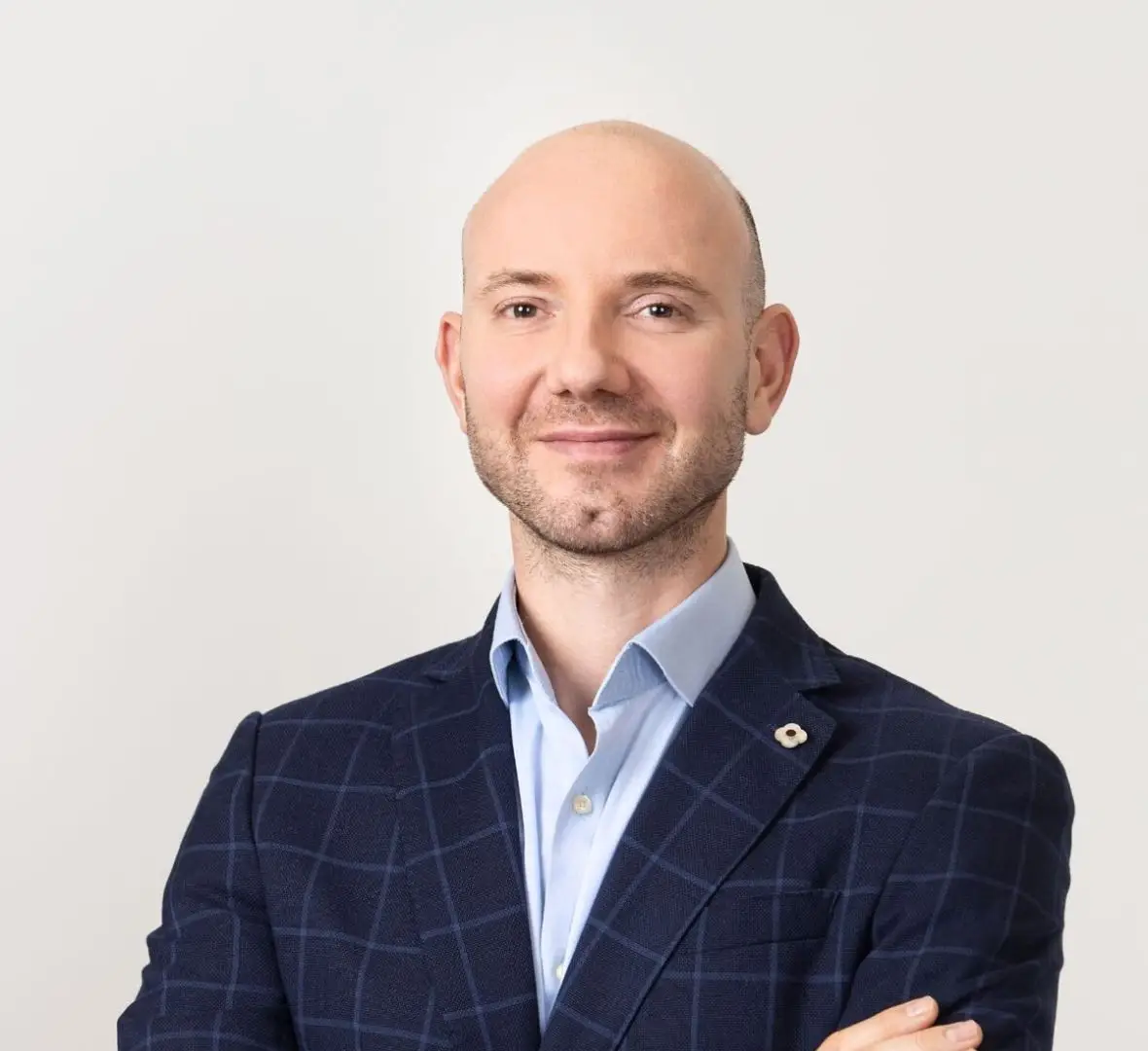
Author: Ivica Jeremić, MD, PhD
Specialist in internal medicine, subspecialist in rheumatology, resident in dermatology and venereology.
Updated:
Medically reviewed by Dr Marina Ćirović, specialist in dermatovenerology, on 21 November 2026.