Hair mesotherapy
Hair mesotherapy is an injection procedure that may be considered for certain forms of hair loss and thinning, following an examination by a dermatologist. The product and treatment plan are chosen according to the cause of the problem and the condition of the scalp. Potential effects, discomfort and recovery time vary among patients; results are not guaranteed.
Hair mesotherapy – in brief
| What is being treated | Hair loss and thinning |
|---|---|
| Anaesthesia | Anaesthetic cream, at the patient's request |
| Duration of treatment | 15 to 30 minutes |
| Number of treatments | Most commonly 6 to 10 treatments spaced 7 to 14 days apart, followed by 1 to 2 maintenance treatments per year |
| Recovery | No downtime, return to commitments immediately; possible mild swelling, bruising or redness for 1 to 3 days |
| Before treatment | Dermatological examination, and if necessary, trichoscopy |
We recommend planning your injectable treatment at least two weeks before an important event. If a series of treatments is required, the plan should start earlier to allow enough time for the full effect to develop.
What is hair mesotherapy?
During hair mesotherapy, the chosen product is injected into the scalp using fine needles. The term encompasses various products and protocols, so the results of a single treatment cannot automatically be attributed to all forms of mesotherapy. The goal may be to improve hair density and quality or to reduce hair loss in appropriately selected patients. A dermatological examination and determination of the cause of hair loss precede the decision regarding treatment. Read more about the application of this method to facial skin on the page facial mesotherapy.
Hair mesotherapy
When is it time for a check-up with a dermatologist?
Every problem is easier to solve in the initial stage, which is why it is best to consult a doctor immediately if you notice the following symptoms:
- hair is falling out more than before, even in clumps – it is considered normal to lose between 50 and 100 hairs a day, but if you notice that the rate of hair loss has increased, consult a doctor;
- grows slowly, loses density and volume;
- the natural parting is widening, the scalp is showing through the hair;
- it is of poor quality, thin, dry, easily snaps and breaks;
- you notice hairless patches on the crown of your head,
- male pattern baldness causes excessive hair loss along the hairline and the crown of the head, leading to a receding hairline and the formation of a visible bald patch on the crown.
Reasons for increased hair loss or thinning they can be numerous: from genetic predispositions, hormonal changes (most commonly in pregnancy, the breastfeeding period, the menopause), stress, certain medical conditions (for example diabetes, lupus, polycystic ovary syndrome, thyroid problems), certain medical treatments, various infections or changes to the hair and scalp.
Also, there are different types of hair loss, such as alopecia areata (patchy hair loss), androgenetic alopecia (genetically conditioned and linked to the action of male sex hormones, androgens), frontal fibrosing alopecia or scarring alopecia – occurs when bald patches that look like scars remain on the scalp.
Before choosing a therapy, it is important to determine the cause of hair loss. Mesotherapy may be considered following an examination by a dermatologist, along with an assessment of the specific preparation and protocol. There is no single success rate that applies to all patients and all mesotherapy treatments.
A systematic research review from 2026 state the potential benefit of certain injection therapies in androgenetic alopecia, as well as the limitations of the evidence: small sample sizes, varying protocols, and short follow-up. Higher-quality, standardised research is needed before recommending routine use.
For which types of hair loss is mesotherapy considered?
| Type of hair loss | Mesotherapy |
|---|---|
| Androgenetic alopecia (hereditary thinning), in men and women, in the early stage | it is being considered as an add-on therapy |
| Telogen effluvium (increased hair shedding following stress, illness, childbirth, or rapid weight loss) | it can serve as support, once the cause has been identified |
| Seasonal increased hair loss | can be used as support |
| Alopecia areata (patchy hair loss) | not the first choice, a dermatologist is treating it with other methods |
| Scarring alopecia | What |
Read more about the individual forms in the texts Hair loss, Female pattern hair loss and Male pattern baldness.
When mesotherapy is not the right choice
- when the cause of the hair loss has not yet been established
- when hair loss is caused by a lack of iron, vitamins, or a thyroid disorder, those are treated first
- in cases of advanced baldness, where the follicles no longer exist
- with cicatricial alopecia and active scalp inflammation
- when is mesotherapy expected to replace the therapy prescribed by the dermatologist
In those cases, the doctor suggests a different approach or a combination.
Are you a candidate for hair mesotherapy?
During a visit to the dermatologist, it is important to mention all your symptoms, whether there is a genetic predisposition to hair loss, if you have recently changed any habits regarding hair care, how you eat, whether you are under stress, if you have any medical conditions, whether you are undergoing treatment, and the like.
After taking a complete medical history, the doctor will carry out an examination of the scalp and head skin. If they assess that this is not sufficient or suspect the diagnosis, it will be necessary to perform trichoscopy – a painless dermatoscope examination that will help the doctor clearly and accurately determine the cause of the problem. Most frequently, it is also necessary to carry out laboratory analyses such as blood tests, determining hormone, vitamin and mineral status. In some cases, it will also be necessary scalp biopsy.
In appropriately selected patients, mesotherapy can be combined with PRP hair treatment, when the doctor deems it appropriate.
What do mesotherapy cocktails contain?
Mesotherapy involves the injection of a selected preparation into the scalp. The composition and method of application depend on the specific product and the plan determined by the doctor after an examination.
The aim of the treatment is to improve hair growth and quality in appropriately selected patients. It should not be presented as a procedure that is proven to create new hair follicles. Results depend on the cause of hair loss, the product used and the individual response; improvement is not guaranteed.
Hair cocktails most commonly contain a combination of:
- vitamin, including biotin
- amino acid and peptide
- hyaluronic acid
- growth factor
- in certain protocols and ingredients that act on DHT, a hormone linked to hereditary hair thinning
The formula is chosen according to the cause of hair loss and the condition of the scalp.
Cost of hair mesotherapy
You can find the price of hair mesotherapy on the page Price list.
Have you got a question?
Answers to frequently asked questions
What does hair mesotherapy look like?
If the dermatologist determines that mesotherapy is an adequate solution for your problem, the procedure itself is undertaken. First of all, it is important that hair mesotherapy is performed by a physician with experience in injection techniques.
Mesotherapy cocktails are injected into the scalp using micro-needles, most commonly at a depth of 1 to 2 mm. The treatment lasts from 15 minutes to 30 minutes, is minimally invasive, but a local anaesthetic can be applied at the patient's request to make the procedure as painless as possible. There is no recovery period and the patient can return to their daily activities immediately.
Effects of hair mesotherapy
Studies on certain injection therapies for androgenetic alopecia have described an increase in hair density and thickness, or the stabilisation of hair loss. The effects depend on the preparation, protocol, diagnosis and individual response.
The evidence is limited and does not confirm that every mesotherapy cocktail yields the same results. It is not possible to promise the filling of all bald areas or success after a predetermined number of treatments. Expectations and the method for monitoring results are agreed upon with the dermatologist.
When are the results of hair mesotherapy visible?
Less hair loss can be noticed during the first few weeks. More time is needed for a change in density: this is most commonly monitored over three to six months, as new hair goes through its growth cycle.
Is mesotherapy painful?
Most patients experience a very mild sensation of discomfort during the procedure itself. The anaesthetic cream applied prior to the mesotherapy treatment makes any potential pain very bearable.
Are there any side effects after hair mesotherapy?
Following the treatment, mild swelling, bruising or redness of the treated area may occur, which usually subsides the next day or after two to three days. In rarer cases, a rash or itching may appear. Transient forehead swelling has been described rarely, and focal hair loss after treatment extremely rarely. Any unusual change should be shown to a doctor.
How many treatments are needed?
The number of treatments depends on whether the treatment is being performed preventatively and for hair strengthening or for already existing thinning. Most commonly 6 to 10 treatments at intervals of 7 to 14 days, followed by 1 to 2 treatments per year for maintenance. The exact plan depends on the preparation and findings.
Hair mesotherapy or PRP hair therapy?
Mesotherapy and PRP can be applied individually or together. PRP uses platelet-rich plasma, extracted from the patient's blood, whereas mesotherapy uses a ready-made preparation. Which method or combination is right for you is determined by the doctor based on the cause of hair loss. A detailed comparison, with a table, can be found in the section PRP or hair mesotherapy?.
Aftercare following treatment
- Do not wash your hair for 24 to 48 hours after the treatment.
- Postpone hair dyeing and chemical treatments until the scalp has completely calmed down, usually a few days.
- For the first two to three days, avoid using a hairdryer and high-temperature hair straighteners.
- For the first two days, avoid direct sun on your scalp or wear a hat, as well as saunas, swimming pools, and intense workouts.
- Do not rub or massage your scalp.
- Home care, if needed, is recommended by a doctor.
Contraindications
Hair mesotherapy is not intended for pregnant women and nursing mothers, patients with autoimmune or malignant diseases, bacterial infections, coagulation problems or platelet dysfunction, active infection or inflammation of the scalp, nor for people with allergies to the ingredients of the preparation.
Book hair mesotherapy in Belgrade
The Imedic Polyclinic is located at Kneza Miloša 23 street, 2nd floor, Belgrade. Opening hours: Monday–Sunday, 9:00–21:00.
Appointments are made by phone: 064 237 0707. If you contact us from abroad, we are also available via Viber and WhatsApp on the same number.
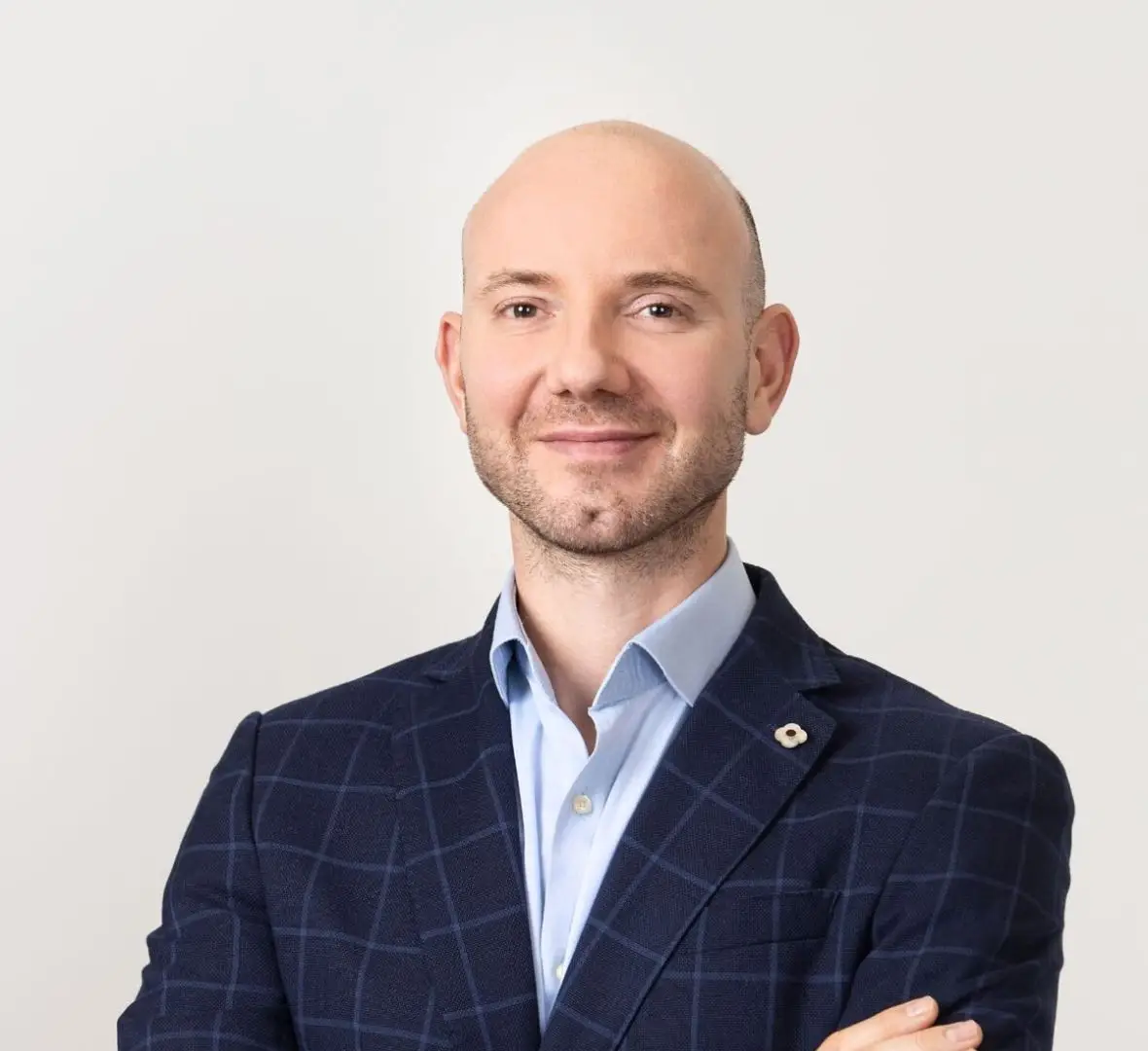
Author: Dr Ivica Jeremić
Doctor of Medical Sciences (Molecular Medicine and Immunology), subspecialist in rheumatology, dermatology resident.
Updated:
Expert sources
- Gupta et al., 2023 — systematic review of mesotherapy for hair loss (J Dermatolog Treat)
- Marzban and colleagues, 2017 — safety and efficacy of mesotherapy in androgenetic alopecia
- Duque-Estrada et al., 2009 — hair loss following mesotherapy (J Am Acad Dermatol)
- Tamer and associates, 2020 — ferritin and vitamin D before treatment for diffuse hair loss
- Phillips et al., 2017 — Hair loss: common causes and treatment (Am Fam Physician)
- American Academy of Dermatology (AAD) — normal hair loss






