Laser eyebrow removal
Laser eyebrow removal is a method used to remove the pigment of permanent makeup and tattooed eyebrows. Using a Q-Switched Nd:YAG laser, we break down the pigment in the skin, and the eyebrows you are unhappy with gradually fade over a series of treatments.
Laser eyebrow removal – in brief
| What is removed | Permanent eyebrow makeup (tattooing, microblading, shading) |
|---|---|
| Laser | Q-Switched Nd:YAG |
| Anaesthesia | Not needed |
| Duration of treatment | About 20 minutes |
| Number of treatments | 2 to 5 treatments spaced four to six weeks apart |
| How it works | The laser breaks down the pigment, which the body gradually eliminates through the lymphatic system |
| Recovery | Virtually no recovery time |
| Season | The treatment can be carried out all year round |
What is laser eyebrow removal?
Thin, light-coloured, poorly plucked and asymmetrical eyebrows are the most common reasons why many people decide to get permanent eyebrow makeup. There are many popular techniques for doing this today. Everyone who chooses permanent eyebrow makeup wants their brows to look natural and nicely shaped after the treatment, and to suit the shape and symmetry of their face. However, what if that does not happen? What if your permanent eyebrow makeup does not turn out the way you imagined? The lack of skill and experience of those who tattoo eyebrows often leads to client dissatisfaction. The result is often asymmetrical, uneven eyebrows that look like countless others and are much darker than desired. What then? Should you happen to find yourself in such an unpleasant situation, it is important to know that a solution exists. Laser eyebrow removal is the state-of-the-art solution for this problem. The only truly reliable and effective way to remove eyebrows you are not happy with is by using modern laser technology. The powerful and precise laser beam gradually breaks down the pigment in the skin, decomposes it into tiny particles, and this pigment is flushed out of the skin through the lymphatic system. The surrounding skin remains unharmed, and the eyebrows gradually fade over the course of several laser treatments.
laser eyebrow removal
What is permanent eyebrow makeup?
First of all, let's clarify what permanent eyebrow drawing, or tattooing, actually involves. There are various techniques, but what they all have in common is that pigment, or colour, is permanently introduced under the skin or into the superficial layer of the skin. The most popular techniques are as follows:
- Eyebrow tattooing– this is classic permanent eyebrow makeup, and the tattooing is performed using a cosmetic tattoo machine. Such a machine has a lower frequency than a standard tattoo machine and the pigment is applied closer to the skin's surface. Using very fine needles, the colour is inserted into the skin, and the results are visible for up to several years. With eyebrow tattooing, the result does not look as natural as with other techniques;
- Japanese eyebrow drawing, also known as microblading, is one of the most widespread techniques of permanent eyebrow drawing. Pigment is inserted under the skin using thin blades; a machine is not used. Each stroke mimics a natural hair, resulting in a soft, natural eyebrow look. This technique is more precise compared to traditional eyebrow tattooing, and the result lasts from one to three years;
- Eyebrow shading, popularly known as powder brows, gives the effect of natural and thick brows. Using a fine needle, pigment is applied to the surface of the skin, the epidermis. There are no harsh lines or intense pigment; the brows look as if they have been filled in with eyeshadow. The advantage is that there is no bleeding, healing time or other side effects;
- Micropoint eyebrow drawing technique is one of the newest and most modern methods. It provides volume and a very natural look to the eyebrows. First, missing hairs in the case of thin eyebrows are drawn with fine strokes of a blade, and then the eyebrows are shaded using machine strokes. This achieves the effect of 3D thick eyebrows. This technique is also suitable for corrections of faded eyebrows.
Whichever technique you choose, it is important to know that the pigment and colour will remain permanently on your skin. The results are long-lasting, just like with tattooing. That is why it is most important to entrust your face and eyebrows to an experienced, certified eyebrow tattooing artist. If, however, you are not satisfied with how your eyebrows look, or if you have grown tired of them and want a change, laser eyebrow removal is the ideal solution.
Which laser is used to remove tattooed eyebrows?
For laser eyebrow removal to be as successful as possible, the expertise of the physician and the laser itself that we use are the most important factors. At our clinic, we use a state-of-the-art laser, the Q-Switched Nd:YAG. This is a laser that is part of the Alma Harmony XL Pro multifunctional medical platform. This platform features various lasers and technologies that allow us to successfully treat as many as 65 different aesthetic and dermatological indications.
The Q-Switched Nd:YAG laser is a non-ablative laser. This means it does not damage the skin surface and surrounding tissue, while acting very precisely on the pigment in the skin and breaking it down. It delivers a powerful beam with a wavelength of 1064 nm which effectively removes dark pigment from the skin. Dark pigment, such as black or dark brown, absorbs light of exactly this wavelength best, which is crucial for the successful removal of permanent eyebrow makeup. The laser also features a 532 nm wavelength module, the light of which is well absorbed by lighter shades, such as yellow, orange and red.
How does the Q-Switched Nd:YAG laser work?
The precise beam of the laser, or rather, its mechanical Q-Switched effect, produces vibrations that affect the pigment and break it down into the tiniest particles. While the skin recovery process is underway, immune system cells gradually remove the pigment, expelling it through the lymphatic system, and the tattooed eyebrows slowly fade and disappear. This laser also effectively removes other types of permanent makeup, such as lip or eyelid makeup.
The biggest advantage of the Q-Switched laser is that in extremely short pulses it delivers enough energy to break down even darker pigment colours. This is why this laser is the most effective for removing permanent eyebrow tattoos. Also, the advantage of this laser over others is that it delivers pulses measured in nanoseconds. For the pigment to be destroyed effectively, what matters most is that the laser pulse is as short and precise as possible. In addition, treatments with this laser are suitable for all skin types, can be performed throughout the year, are clinically approved and safe, with virtually no recovery period.
Cost of laser eyebrow removal
You can find the price of laser removal of permanent eyebrow makeup in our Price list.
Have a question?
Answers to frequently asked questions
What does laser eyebrow removal look like?
First, the face is thoroughly cleansed, particularly the eyebrow area to be treated. Anaesthesia is not required – during the treatment, patients may feel a mild stinging sensation, which is well tolerated. Protective goggles must be worn to protect the eyes. The laser is then directed precisely at the eyebrow area, and short, powerful pulses break down the pigment.
The laser emits very short, high-energy pulses that are absorbed by the pigment. In doing so, the pigment is broken down into tiny particles, which the body gradually removes via the lymphatic system, so after a few treatments the eyebrows fade and disappear. Due to this pigment-shattering ability, the same laser is also used for the treatment of melasma, blemishes, age spots and other hyperpigmentation.
Is preparation needed for this treatment?
No special preparation is required. It is recommended that you avoid direct sun exposure for a few days before the treatment.
How should I look after my skin after a treatment?
Immediately after the treatment, the skin may be red and slightly swollen, which is a normal reaction. The redness and swelling subside within two to three days. There is no bleeding or scarring. During recovery, the application of panthenol or antibiotic ointment is recommended, as well as avoiding the sun for at least a week.
How many treatments are needed?
The number of treatments is individual and depends on the amount and depth of the pigment, the colour, the size of the eyebrows, the application technique and the age of the permanent makeup. Older eyebrows are usually easier to remove because the pigment has already partially faded. A single treatment is never enough. Most commonly, between two and five treatments are required, at intervals of four to six weeks. Improvements are visible after just the first treatment.
Is laser eyebrow removal painful?
The treatment is carried out without anaesthesia. Mild stinging is possible, which is well tolerated, and the procedure is considerably more pleasant than eyebrow tattooing itself.
Is laser eyebrow removal safe?
All protocols carried out in our clinic are clinically approved and safe. The treatment does not cause bleeding, scarring or a long recovery. When using the Q-switched Nd:YAG laser, the procedure is short and recovery is minimal.
Q-switched laser removes tattoos too
The same laser used to remove tattooed eyebrows is also applied to remove body tattoos, regardless of colour and size.
Who is a candidate for laser eyebrow removal?
Candidates are all those who are not satisfied with the shape, colour or intensity of their permanent eyebrow makeup, as well as those whose skin is oversaturated with pigment.
Contraindications
Laser eyebrow removal is not recommended during pregnancy and breastfeeding, in cases of active skin infections, epilepsy, malignant diseases, heart and kidney conditions, vitiligo, active herpes, nor for individuals taking photosensitising medication. It is important that the doctor is informed of all therapies and medical conditions prior to the treatment.
Book laser eyebrow removal in Belgrade
Imedic poliklinika is located at Kneza Miloša 23, 2nd floor, Belgrade. Opening hours: Monday–Sunday, 9:00–21:00.
Appointments can be booked by phone: 064 237 0707. If you contact us from abroad, we are also available via Viber and WhatsApp on the same number.
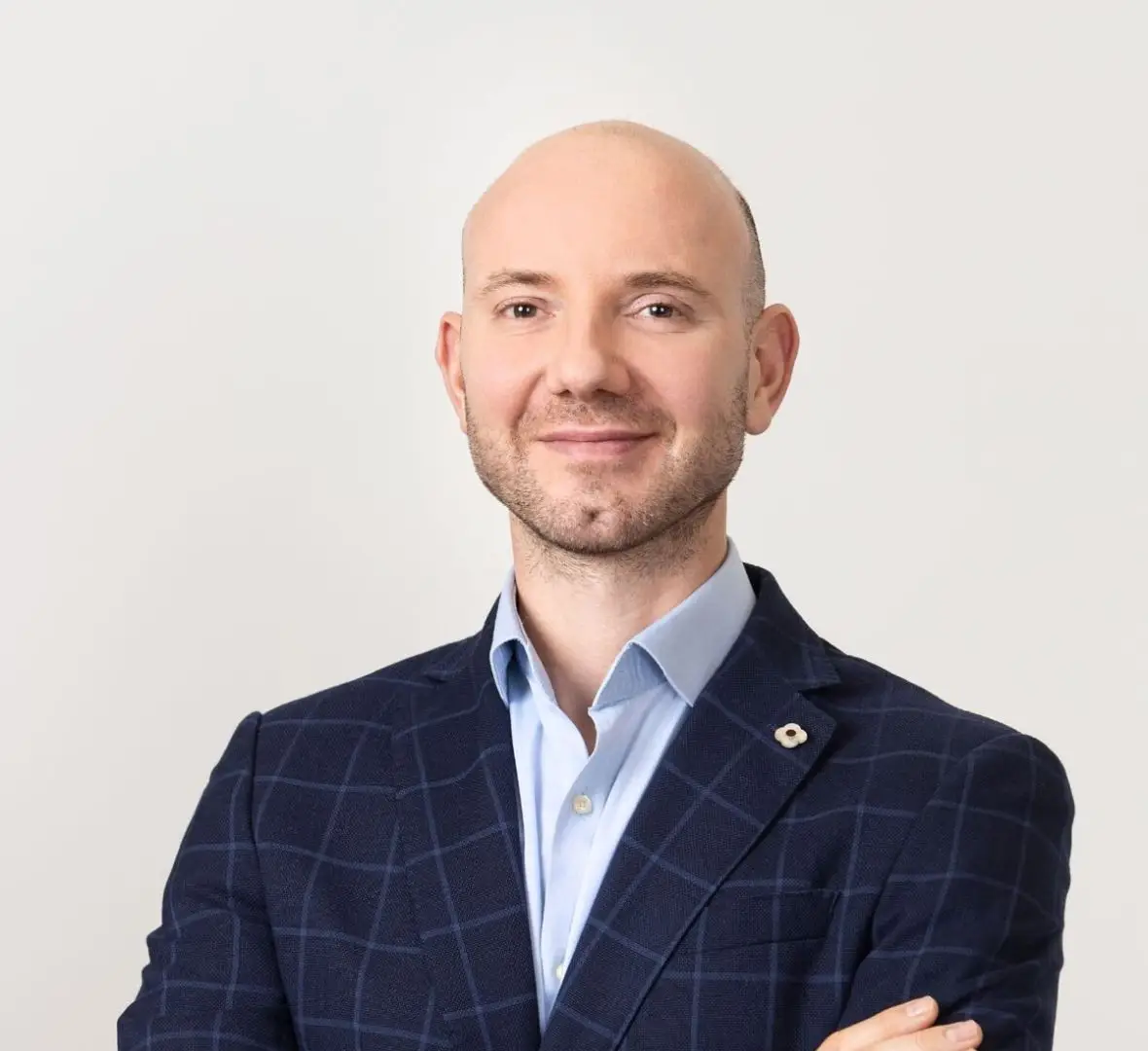
Author: Dr Ivica Jeremić
PhD in Medical Sciences (Molecular Medicine and Immunology), rheumatology subspecialist, dermatology resident.
Updated:






