Trichoscopy in Belgrade — hair and scalp examination
Increased hair loss, a widening parting or changes to the scalp can have various causes. Trichoscopy is an examination of the hair and scalp under magnification, which helps the dermatologist assess the condition of the hair and scalp and determine the next steps. At Imedic poliklinika in Belgrade, the examination includes a discussion of symptoms, an assessment of the scalp and a trichoscopic examination, and, if necessary, digital imaging of selected areas. Based on the findings, a plan for treatment, further testing or monitoring is agreed upon.
Trichoscopy at a glance
| Who is it for | For people with hair loss or thinning and scalp changes |
|---|---|
| How is it performed | Examination of the scalp and hair with a dermatoscope, with no needles or incisions |
| Pain | The examination is non-invasive and painless, with no recovery time needed |
| Duration | The entire examination usually takes around 30 minutes, while the imaging itself takes just a few minutes |
| Digital imaging | Images of selected areas are saved and compared during follow-ups, with HairMetrix software analysis |
| Other areas | Also possible for the eyebrows, eyelashes, beard and body hair |
What is trichoscopy?
Trichoscopy is a non-invasive examination of the hair and scalp using a dermatoscope, a device that, with special optics and lighting, magnifies the image of the skin and hair. It enables the physician to see changes that are not noticeable to the naked eye: differences in hair thickness, signs of breakage, the appearance of follicular openings, scaling, redness and the appearance of blood vessels.
Trichoscopy does not replace a dermatologist's examination, but is part of it. It helps to differentiate the causes of hair loss and determine the further course of action – therapy, additional tests or monitoring. The examination is performed and the findings are interpreted by a dermatologist.
When is a hair and scalp examination useful?
An examination is advisable when increased hair loss, gradual thinning, widening of the parting, a receding hairline, or localised areas without hair are noticed. Reasons for an examination can also include itching, flaking, redness, pain, or other changes to the scalp, as well as changes to the eyebrows, eyelashes, and beard.
A dermatologist assesses the pattern of hair loss and scalp changes and the appearance of the scalp, alongside information on how long they have lasted, previous illnesses and treatments, hair care, and the changes that preceded them.
What does a trichoscopy examination involve?
The examination begins with a discussion about when the symptoms started, how they are changing and what has been used so far. The dermatologist then examines the hair and scalp, taking a closer look at selected areas with a dermatoscope. The device gently touches the surface of the scalp, making the examination painless and requiring no skin preparation or recovery.
The scan itself takes just a few minutes, whereas the entire appointment, including the discussion and explanation of the results, usually takes around 30 minutes. At the end of the appointment, the doctor explains the findings and suggests the next steps. If additional tests are needed, they are chosen based on the specific findings.
Digital trichoscopy and monitoring
Digital trichoscopy involves storing images of selected scalp areas as photographic documentation. During follow-up examinations, new images are compared with the initial ones, allowing changes during treatment to be monitored more objectively than by visual impression alone.
For the comparison to be useful, the same, consistently documented areas are monitored. The follow-up interval depends on the diagnosis and the treatment applied, and is determined by the dermatologist during the examination. The same monitoring principle is also used for digital dermoscopy of moles.
HairMetrix hair and scalp analysis
Digital hair and scalp images are further processed using HairMetrix software. The analysis measures parameters that are impossible to assess with the naked eye: the number of hairs in the imaged area, their average thickness and the ratio of thicker to thinner strands. This data helps to accurately document the condition during the initial examination.
During follow-up appointments, new measurements are compared with the initial ones, so the response to treatment is monitored using figures rather than just an impression. The software does not make a diagnosis: the results are interpreted by a dermatologist, alongside a clinical examination and data regarding symptoms. For a standard analysis, the hair is neither cut nor shaved.
What conditions does trichoscopy help with?
Androgenetic alopecia
In hereditary hair thinning, trichoscopy shows variations in hair thickness and miniaturisation, i.e., the thinning of hair shafts in the affected areas. In men, the changes most frequently occur at the crown and at the temples, and in women as thinning along the parting. More about both forms can be found in our articles on female pattern hair loss and male pattern baldness.
Alopecia areata
In hair loss characterised by well-defined, rounded patches, trichoscopy helps to identify characteristic changes in the scalp and assess whether the condition is active or if the hair is regrowing. This is important both for choosing the treatment and for monitoring progress.
Cicatricial alopecias
In scarring hair loss the follicular openings disappear, so early recognition is important, as this type of hair loss is treated differently from conventional thinning. Trichoscopy also helps to determine the best site for sampling when a scalp skin biopsy is needed.
Inflammatory conditions and dandruff
In seborrhoeic dermatitis, scalp psoriasis and other inflammatory changes, trichoscopy shows scaling, redness and the appearance of blood vessels, which helps in differentiating these conditions and monitoring the response to therapy.
Fungal scalp infections
When a fungal infection is suspected, trichoscopy reveals changes to the hair that are characteristic of this type of condition. The diagnosis is confirmed, where necessary, by a microbiological swab or hair analysis.
Eyebrows, eyelashes, beard and body
Trichoscopy is not only performed on the scalp. The examination is also possible in the eyebrow, eyelash, and beard areas, as well as for changes in body hair.
How should I prepare for the examination?
It is useful to bring previous findings and a list of current treatments and preparations to the appointment, as well as information on when the hair loss was first noticed and whether its intensity changes.
Hair is not cut or shaved for the examination. No special preparation is necessary, and the hair is washed as usual. It is better not to use products that cover thinning areas or colour the scalp on the day of the examination, as they make assessment difficult.
Laboratory tests should not be done in advance on your own initiative. The dermatologist recommends them when, based on the consultation and examination, there is a reason to check a specific cause of hair loss.
What follows after the examination?
The next steps depend on the findings. It may include appropriate care, treatment applied to the scalp or taken orally, additional tests – such as a microbiological swab, hair analysis or scalp biopsy – and follow-up monitoring.
When indicated, a dermatologist may also consider procedures such as PRP hair treatments or hair mesotherapy. Their choice depends on the cause and duration of the problem and is planned only after a diagnosis, and they are carried out by our doctors.
Cost of trichoscopy
The price of trichoscopy and the available types of examination can be found in the dermatology price list. When booking, it is useful to state whether it is a first examination or digital follow-up monitoring, in order to allow sufficient time.
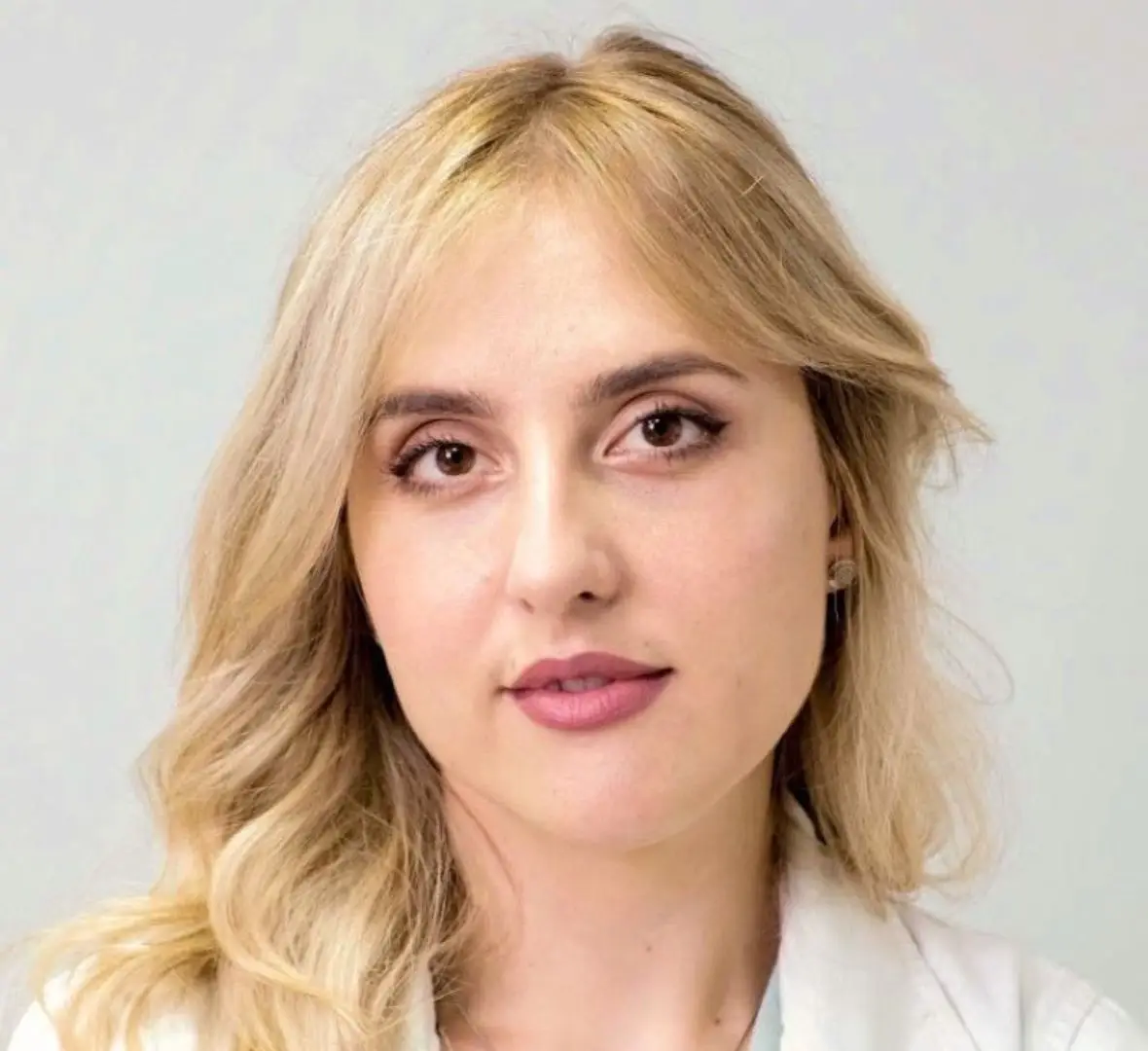
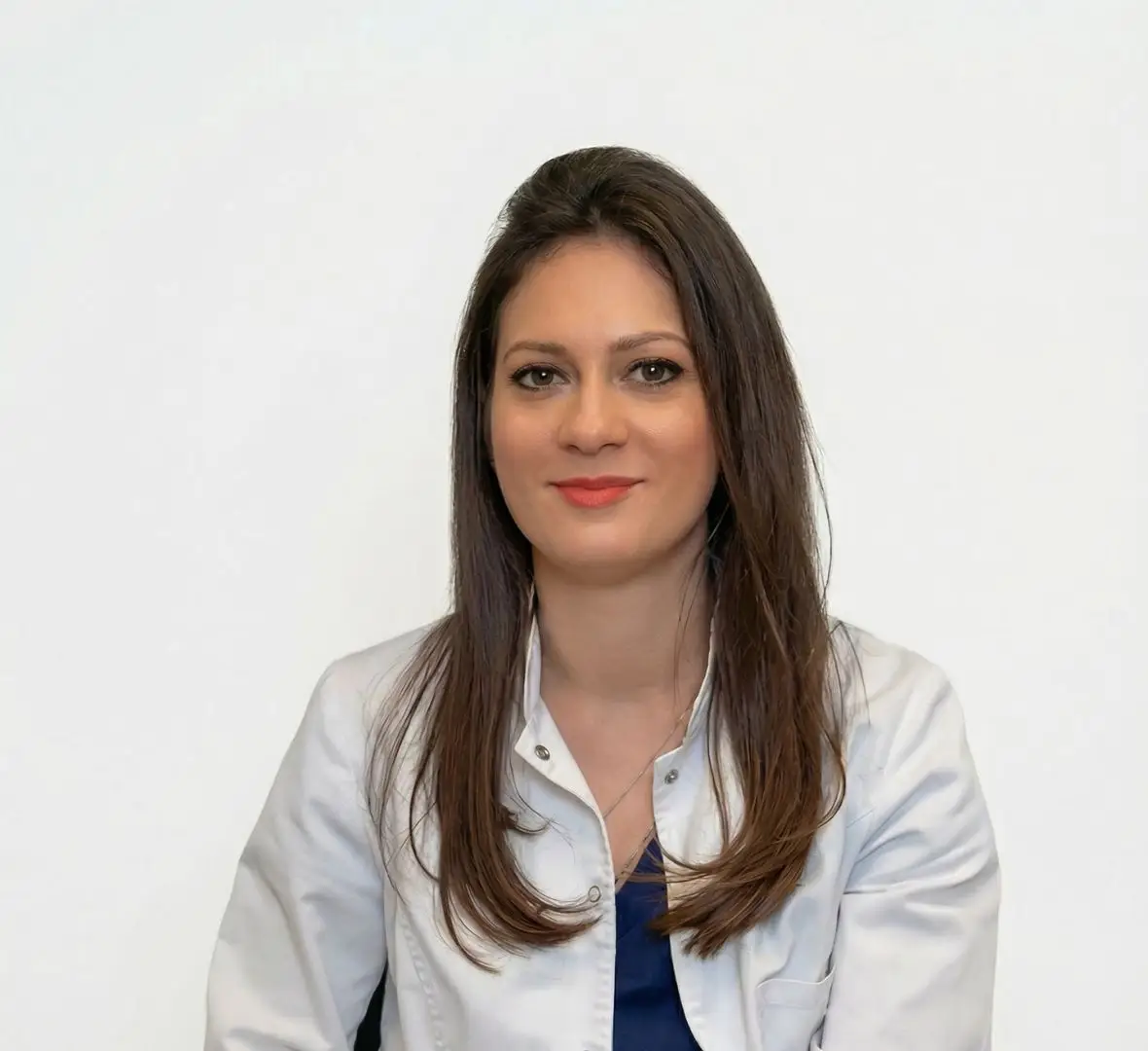
Our dermatologists
Who performs trichoscopy at Imedic?
Have a question?
Frequently asked questions about trichoscopy
What is the difference between classical and digital trichoscopy?
In classical trichoscopy, the dermatologist examines the scalp and hair under magnification and interprets the findings. Digital trichoscopy additionally involves capturing images of selected areas, which are stored and compared with new images during follow-up visits, helping to monitor treatment.
What is HairMetrix (AI) analysis?
HairMetrix is software that analyses digital hair images and measures parameters such as hair count and average hair thickness in the imaged area, as well as the ratio of thick to thin hairs. The measurements help document the initial condition and compare it with follow-up images. The software does not provide a diagnosis – the findings are interpreted by a dermatologist, alongside a clinical examination and information about symptoms. Hair clipping is not required for a standard analysis.
Should blood tests be done before the examination?
Not in advance and not on your own initiative. The dermatologist assesses during the examination whether tests are necessary and which ones, depending on symptoms and findings.
Is hair cut or shaved for an examination?
No. The examination is carried out on the hair as it is. If products that cover thinning areas or colour the scalp are used, it is useful to mention this when booking.
Does trichoscopy reveal every cause of hair loss?
Trichoscopy alone does not reveal every cause. Trichoscopy helps the dermatologist to differentiate between causes and narrow down the possibilities, and when the finding is not sufficient, additional tests are ordered, such as a swab, hair analysis or scalp biopsy.
Do I get the report and scans?
Following the examination, you will receive a specialist's report complete with an assessment and a recommendation. Digital images and HairMetrix analysis results are stored in the clinic's records and are used for comparison at follow-up visits.
Can dyed hair be examined?
Yes. Dyed hair does not prevent an examination, but products that colour the scalp or cover thinning areas can make assessment more difficult, so it is better not to use them on the day of the examination.
When is the follow-up visit?
The timing of the follow-up visit depends on the diagnosis and treatment, and is determined by the dermatologist during the consultation. When monitoring treatment, follow-up is usually scheduled after a few months, when changes can be compared with the initial images.
Can the hair root be seen with trichoscopy?
Trichoscopy shows the scalp, follicular openings and the part of the hair emerging from the skin, as well as signs indicating the condition of the root, but it does not directly show structures beneath the skin's surface. Therefore, the findings are interpreted together with a clinical examination and information about the symptoms.
Book a trichoscopy in Belgrade
Imedic poliklinika is located at Kneza Miloša 23, 2nd floor, Belgrade. Opening hours: Monday–Sunday, 9:00–21:00.
Appointments can be booked by phone: 064 237 0707. If you contact us from abroad, we are also available via Viber and WhatsApp on the same number.
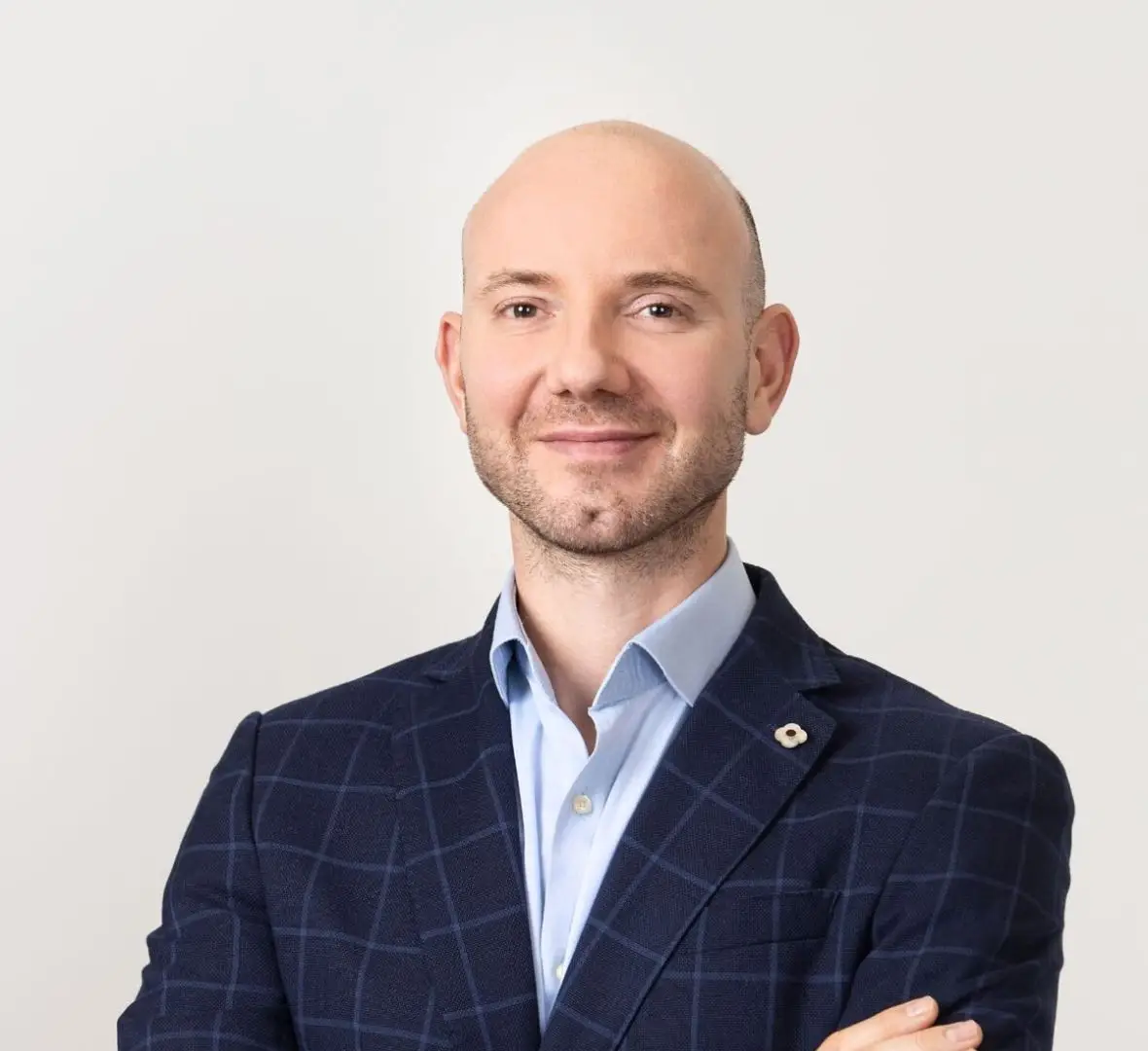
Author: Dr Ivica Jeremić
PhD in Medical Sciences (Molecular Medicine and Immunology), rheumatology subspecialist, dermatology resident.
Updated:
Expert sources
- American Academy of Dermatology Hair loss: Diagnosis and treatment.
- Rudnicka L, Olszewska M, Rakowska A, et al. Trichoscopy: a new method for diagnosing hair loss. Journal of Drugs in Dermatology, 2008. PMID: 18664157.
- Rudnicka L, Olszewska M, Rakowska A, Slowinska M. Trichoscopy update 2011. PMID: 22408709.
Professional dermatological supervision and reliable information
The text on this page was written in accordance with the clinical practice of Imedic poliklinika and verified by a specialist in dermatovenereology. The professional sources are listed above. Trichoscopy is performed and the findings are interpreted by a specialist physician in dermatovenereology. The examination helps to differentiate the causes of hair loss and scalp conditions, and the treatment plan, additional tests and monitoring are determined individually. A personal examination by a dermatologist is essential for diagnosis and a treatment plan.