Have you caught or cut a mole? Find out how to treat the small wound and when to seek medical help or a dermatologist's check-up.
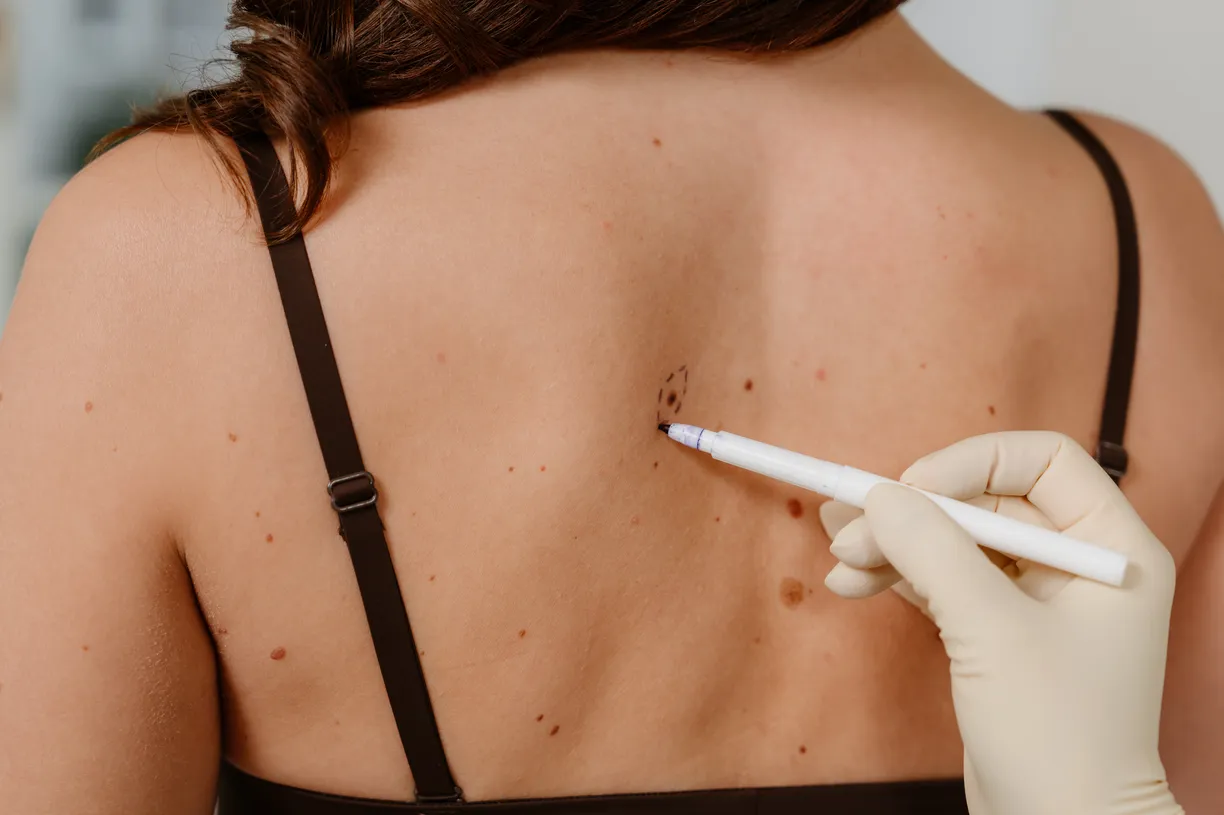
A razor has cut a mole or a towel has caught on it—and you've noticed blood. Such a situation can be frightening, especially if you are used to the mole looking the same and not bothering you in any way. First, press the injured area with clean gauze or a clean, folded cloth. [2]
Even a benign mole can bleed after shaving or catching it, so bleeding alone following a clear injury is not proof that the lesion is malignant. First, treat the wound. Read on to find out when care for a minor injury is sufficient, and when you should seek medical help. [1]
What is the first thing to do if a mole bleeds?
For a small surface wound, first stop the bleeding, and then clean and protect the small wound.
- Wash your hands. Prepare clean gauze or cloth and a plaster or dressing with which you will later cover the wound. If you are using cloth, choose a lint-free material. [15]
- Apply pressure to the bleeding point. Hold the gauze against the wound with constant pressure, without frequently lifting it to check. If blood soars through the gauze, add a new layer over the existing one and continue pressure. [3]
- Rinse the wound with clean running water when the bleeding stops. You can wash the surrounding skin with mild soap, without scrubbing the injured area. If running water is not available, clean bottled water can be used to rinse a small wound. [2, 3]
- Cover the small wound with a plaster or a sterile dressing. Choose a size that covers the injured area, so that the adhesive part remains on the surrounding, uninjured skin. Hold the sterile dressing by the edges and do not touch the surface that will be applied to the wound. [4, 15]
If you are unable to stop the bleeding by applying pressure, the blood is spurting out, or the wound is very large or deep, seek emergency medical care. Do not wait for a dermoscopy appointment. Continue pressing the area with clean gauze while organising help. [3]
These steps relate to a minor surface injury. If a doctor has already treated the wound and given you specific instructions, follow their advice. [5]
What if a mole is partially or completely torn off?
If part of the mole is still attached to the skin, do not pull, cut or attempt to remove the remaining part. Removal at home can cause further bleeding, infection and scarring. [6]
After stopping the bleeding, protect the area with a clean dressing and see a doctor to assess the injury. The same applies if it appears that the entire raised part has detached: the appearance of the surface is not enough for you to conclude on your own whether further care or an assessment of the remaining lesion is needed.
If a piece of tissue has detached completely, mention this when speaking to a doctor or medical staff. Ask for instructions on how to proceed, rather than deciding for yourself whether the detached piece should be kept or brought in.
What should be avoided?
Do not rub the cut or try to stop the bleeding by wiping. When cleaning, do not pour hydrogen peroxide or iodine into the small cut, as they can irritate the surface. [2]
If you are not sure whether the product you have is intended for an open wound, check with a doctor before use. When describing what you have already used, state the name of the product, as the term „disinfectant” does not state which preparation is in question. [8]
How to look after a small cut over the next few days?
Keep the small superficial wound clean and protected. After gentle cleansing, you can apply a thin layer of plain petroleum jelly over the cleaned surface of the small wound and cover it with a suitable dressing. Petroleum jelly helps keep the surface moist during healing. Change the dressing at least once a day, and sooner if it becomes wet or soiled. [2, 4]
If the plaster adhesive irritates the surrounding skin, you can use a non-adhesive dressing secured with paper medical tape. [5]
Antibiotic ointment is not a mandatory part of looking after every minor cut. For a clean wound that is washed regularly, the routine application of such ointments is not necessary. Certain antibiotic ointments can also further irritate the skin. If your doctor has prescribed a treatment, use it according to their instructions. [4, 5]
Pay attention to what touches the injured area as well. Move a necklace that goes across the sore or choose clothing whose seam does not rub against the dressing. When shaving, avoid that area while it heals. [1]
If the wound is dirty or the injury was caused by a dirty object, tell your doctor. Depending on the type of injury and your vaccination status, they will assess whether additional protection against tetanus is needed. If you do not know when you were last vaccinated, mention that as well. [4]
When to seek help and when to book a dermatologist?
Sometimes it is necessary to treat the wound first and then examine the mole itself. The following table helps you to distinguish between these situations. When you contact us, clearly state whether you are currently seeking help for an open wound or if you want an assessment of the mole after the injury has been treated, and why you are now concerned. This makes it easier to explain what you need at that time. [8]
| What is happening | What to do |
|---|---|
| Bleeding does not stop despite pressure, blood is spurting out, or the wound is very large or deep. | Seek urgent medical attention. [3] |
| The redness is spreading, the pain or swelling is getting worse, pus appears or you have a temperature and feel unwell. | Seek medical attention without delay for a possible infection. [3] |
| The injury is small and superficial, bleeding has stopped and there are no signs of deterioration. | Continue caring for the wound. If you are concerned about the appearance of the mole, schedule a dermatological examination. [3, 11] |
| The bleeding is recurring without clear injury or the mole was changing even before the injury. | Book a dermatological appointment and emphasise these circumstances. [1, 8] |
| The wound is not healing, or it closes and then reopens in the same place. | Book an appointment for a doctor to assess the reason for such a course. [7] |
What is important to tell the dermatologist?
Describe the event in order: when it happened, what you snagged the mole on, and what happened next. Add how you cared for the area and whether the bleeding recurred. [8]
For example, „blood appeared immediately after passing the razor” is not the same observation as „I found blood on my t-shirt, but I don't know that I nicked him”. If you are not sure what happened, say just that — there is no need to guess.
If you have any previous reports or scans of that area, please bring them. Specifically mention if you noticed any change in colour, shape or size even before the injury. We cover that situation in more detail in the text The mole has changed: when to book an appointment?. [8, 12]
State which medicines you are using, particularly if you are taking therapy that reduces blood clotting. Do not stop taking it on your own accord due to an injury or examination. Also include non-prescription preparations, vitamins and food supplements in the list. Prepare the list even before your arrival. [8, 9]
What if you constantly catch the same mole?
If you regularly snag the same mole when shaving, dressing or wearing jewellery, mention this to a dermatologist even when there is no sore at the time. Say in which situations it catches and whether changing your clothes or your shaving routine helps. [1]
Describe how much this bothers you in your daily life: whether you have changed your routine care or stopped wearing a certain piece of jewellery because of it. You do not have to wait for the next injury to raise this issue. During your appointment, you can discuss how to reduce the possibility of it catching again and whether any further procedure is needed. [1]
Frequently asked questions
Is every injured mole removed?
Not every injured mole is removed. A dermatologist assesses the lesion and the need for further examination. The decision is made following an examination, and not simply because a mole has bled once. [10]
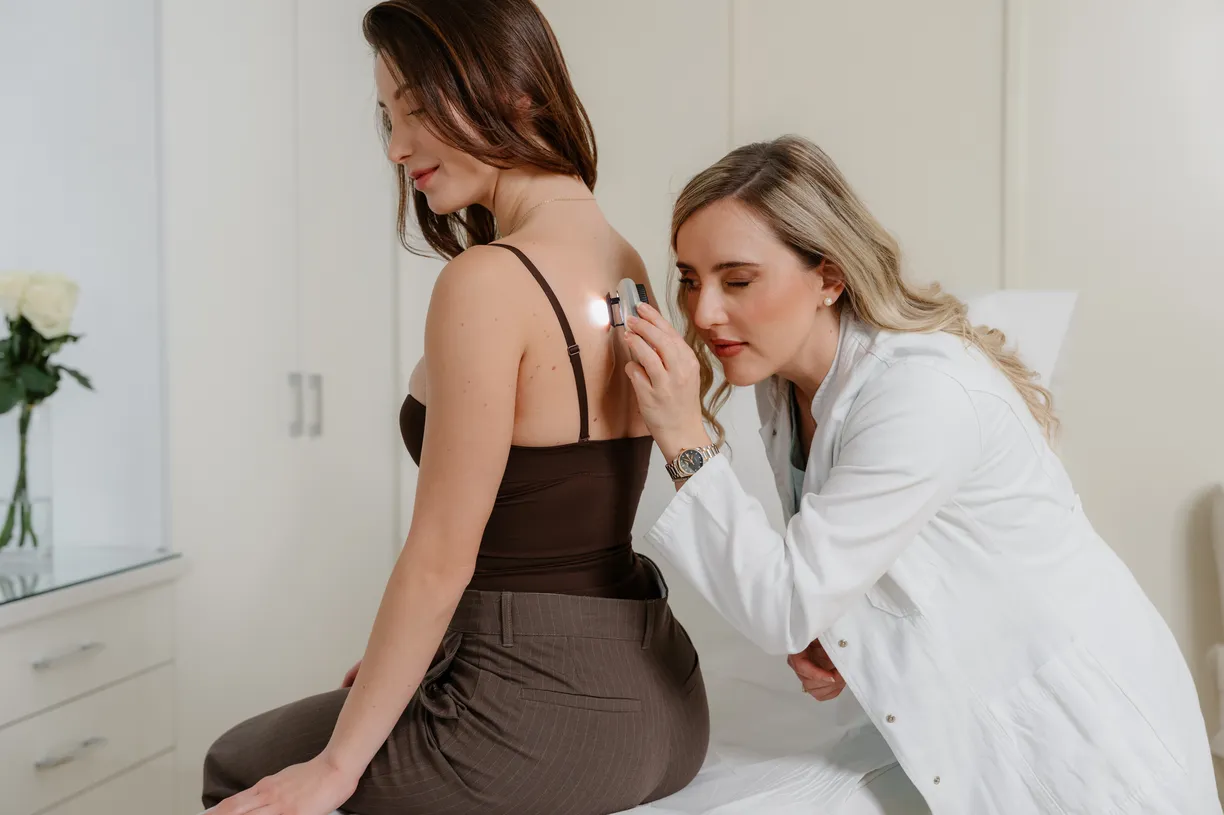
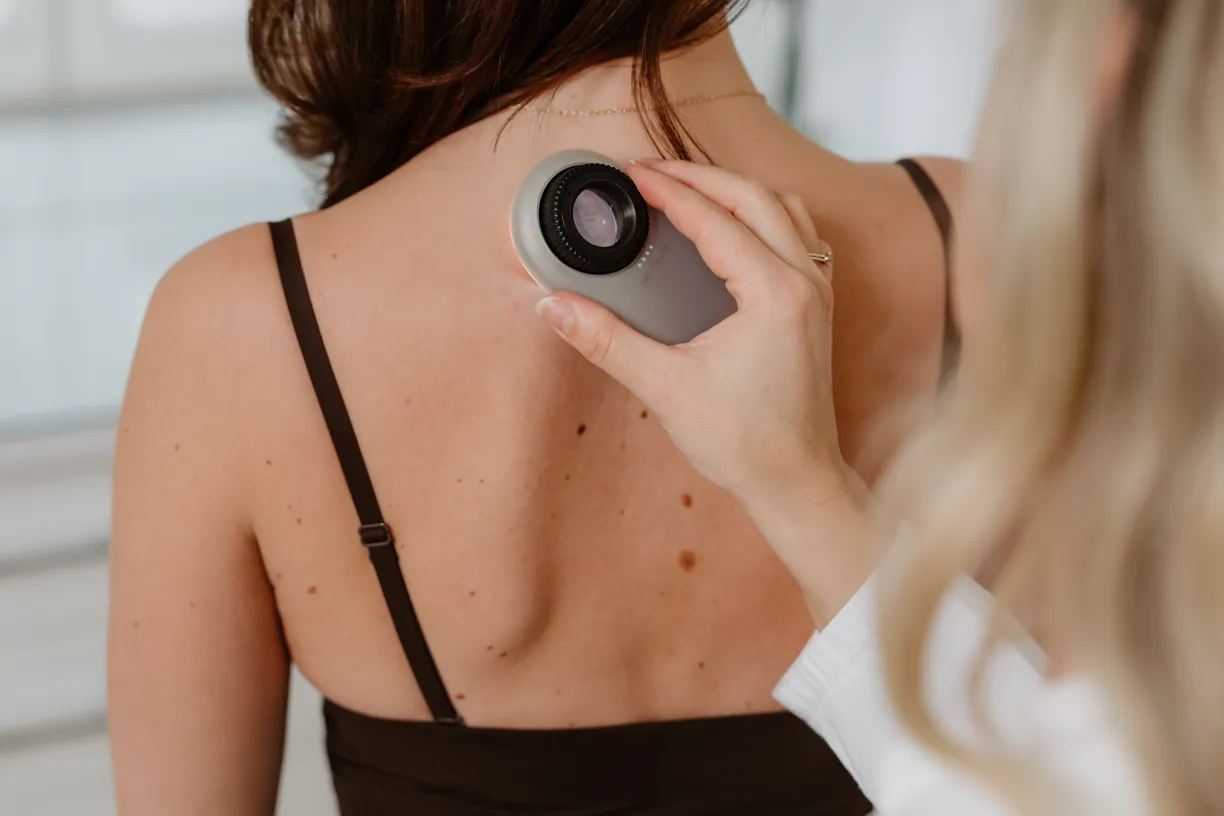
For the evaluation of an injured mole and advice, you can book a dermoscopy appointment at Imedic. The dermatologist will examine the spot you are concerned about and recommend what you should do.
Expert sources
- American Academy of Dermatology. When is a mole a problem?
- Mayo Clinic. Cuts and scrapes: First aid
- NHS. Cuts and grazes
- American Academy of Dermatology. How to treat minor cuts
- American Academy of Dermatology. Minimise a scar: Proper wound care tips from dermatologists
- American Academy of Dermatology. 5 reasons to see a dermatologist for mole and skin tag removal
- American Academy of Dermatology. Basal cell carcinoma: From symptoms to treatments
- American Academy of Dermatology. How to choose a dermatologist
- NHS. Anticoagulant medicines: Considerations
- American Academy of Dermatology. Moles: Diagnosis and treatment
- American Academy of Dermatology. Moles: Tips for managing
- Cancer Research UK. Seeing your GP for symptoms of melanoma skin cancer
- Trauma and melanoma formation: a true association?
- The role of trauma in melanoma formation
- St John Ambulance. How to apply a dressing
IMEDIC NOVOSTI
Be among the first to know about discounts and special offers
Sign up and receive notifications about current promotions, new treatments and useful advice from our doctors.
DISCOUNTS · NEW OFFERS · DOCTOR'S ADVICE
Sign-in is currently unavailable. Please try again in a few moments.
One more step: check your email and click on the confirmation link.
Want to see our new texts on Google more often?
Add imedic.rs as a preferred source in Google Search. When we publish a new text on skincare, aesthetic medicine or dermatology, Google will show it to you more frequently among the top stories. Setup takes a few seconds and can be changed at any time.

Dr Marina Ćirović
Updated: