Dr Miloš Živković, a doctor of aesthetic and anti-ageing medicine, and a resident in plastic, aesthetic and reconstructive surgery, speaks in an interview for Penzionisani.rs about her already rich experience, so to speak, as well as communication with patients and their needs. What is your approach to a new face that appears for a consultation? - Given that every patient is unique, we know that their needs, wishes ...

Dr Miloš Živković, a doctor of aesthetic and anti-age medicine, and a resident in plastic, aesthetic and reconstructive surgery, in an interview with Penzionisani.rs, talks about her, one might say, already rich experience and communication with patients and their needs.
What is your approach to a new patient who appears for a consultation?
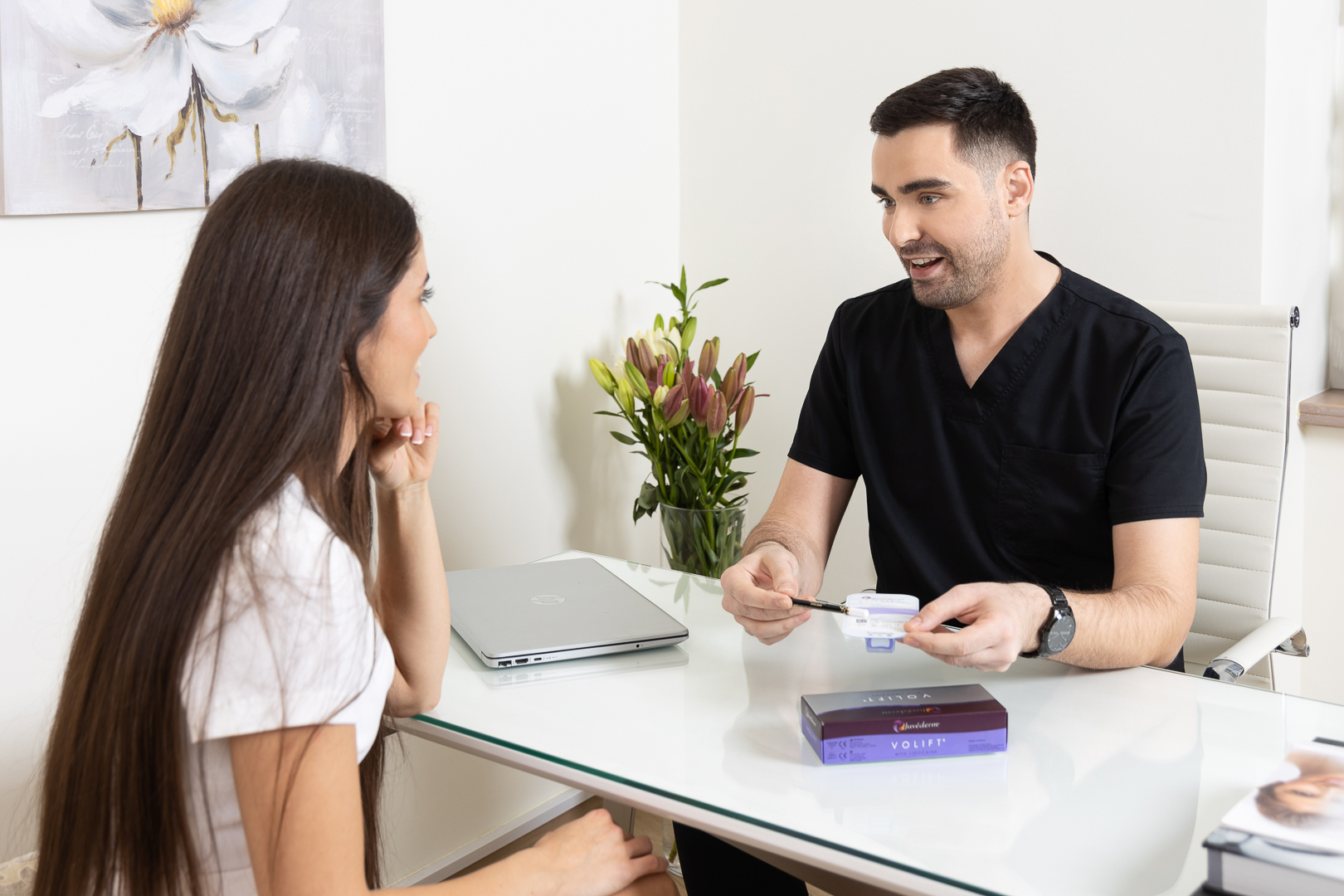
Given that each patient is unique, we know that needs, wishes and questions will vary. Consultations are essential and are the first step towards establishing trust and understanding with the patient. During the consultation, I determine the patient's wishes in detail, acquaint them with every phase of the treatment, and answer questions related to the treatment itself and its effects.
How comfortable are mature and older women who want facial skin rejuvenation nowadays with coming in for a consultation and undergoing a “procedure”?
More and more women are opting for anti-ageing and aesthetic treatments. Quite simply, over the past decade or so, significant progress has been made in the effectiveness and affordability of non-invasive, or non-surgical, aesthetic procedures. These very factors, along with the fact that anti-ageing treatments are no longer a taboo subject strictly kept behind closed doors, have influenced their surge in popularity. I think that in the next few years we will witness an even greater expansion of aesthetic treatments which, I am certain, will become part of everyday life, something like a regular visit to the dentist.
Do patients hesitate to say what they REALLY want?
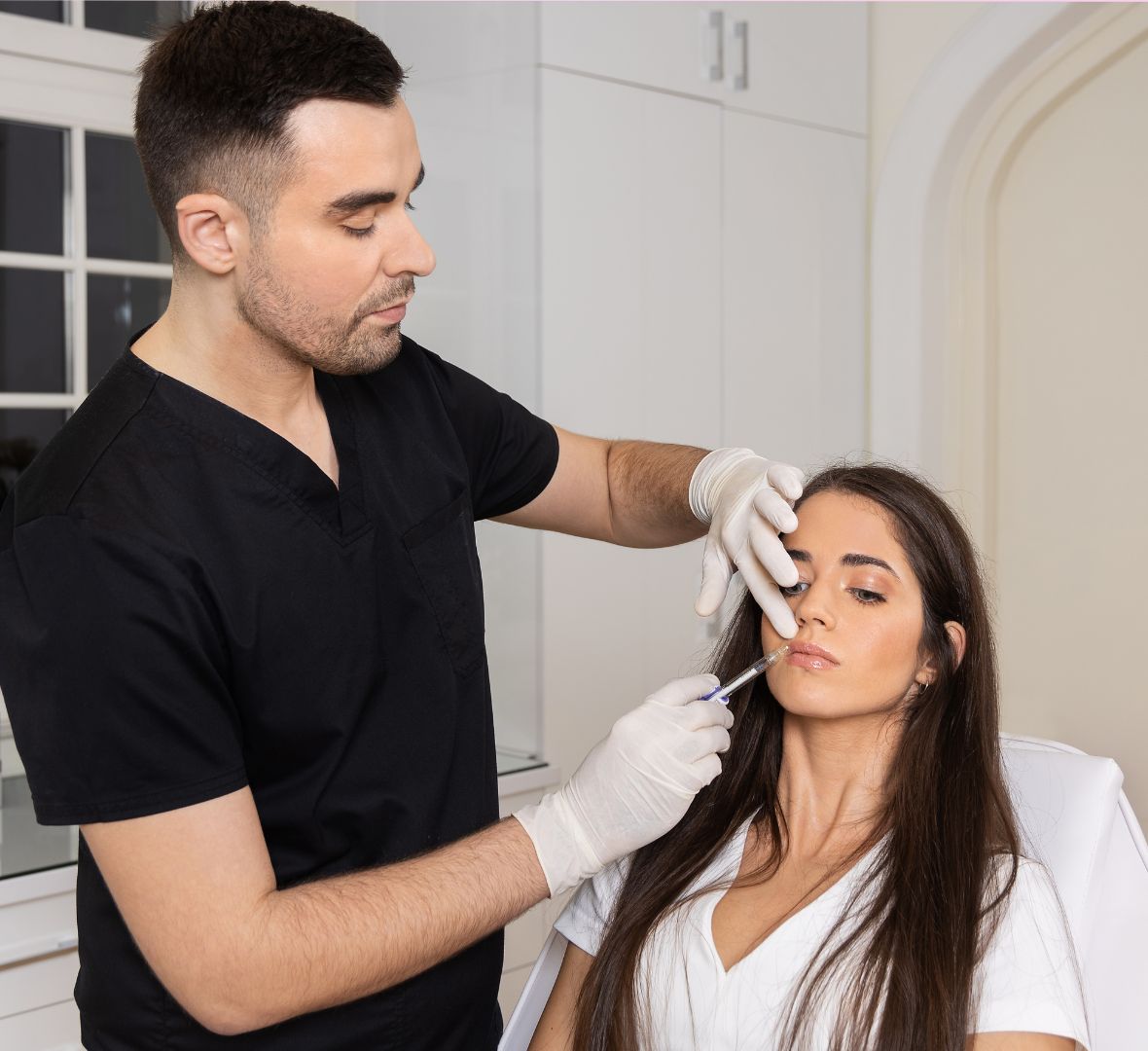
Some arrive with a clear picture of what they want, whilst there are also those who are not so sure which treatment is the right solution for them. Furthermore, it is not uncommon for a patient to be coming for an aesthetic or anti-ageing treatment for the very first time, which is why nervousness and a certain amount of anxiety are completely normal phenomena. That is why an essential part, prior to any intervention, is a detailed consultation with the patient. This includes a thorough conversation in a very friendly, informal manner and a relaxed atmosphere. From experience, I can say that almost without exception, the worried and “tense” face of the patient is very quickly replaced by a smile and a relaxed and carefree attitude.
Coming in for a skin rejuvenation treatment is still mostly reserved for women in their forties, or has the age limit shifted to older, younger...?
-Although women in their 40s are still the most common patients, an increasing interest in treatments is also being noticed among people of other age groups, both younger and older. It is not at all uncommon for us to be visited by people who have entered their sixties and seventies. This has long been normal, and only confirms my belief that today's women do not accept the stereotypical roles that age carried with it in earlier times. Every generation has the right to be satisfied with its appearance and reflection in the mirror. Women in their mature years primarily opt for rejuvenation treatments that have the effect of tightening sagging skin, removing under-eye bags or wrinkles, improving skin firmness, and restoring lost facial volume.
On the other hand, there is also a high level of interest in treatments among the younger population aged 25–35. More and more women are embracing the idea that prevention is better than cure. This actually means that it is easier to maintain a youthful facial appearance and skin quality if skincare and treatments are started in good time—that is, before the appearance of deeper wrinkles, changes to subcutaneous structures and excess skin. Ideally, treatments to improve skin quality should be started when the first signs of ageing appear.

What facial care and lifestyle do you recommend in order to postpone aesthetic treatments?
Skin ageing takes place under the influence of internal and external factors. The internal ageing process involves the influence of genetic predispositions, chronological ageing and hormonal changes, which are particularly pronounced in women going through the MENOPAUSE. The influence of external factors such as daily exposure to harmful sun rays, smoking, poor diet, stress and lack of sleep often leads to premature skin ageing. Such photoageing of the skin, i.e. skin ageing under the influence of UV radiation, is manifested by the appearance of wrinkles and hyperpigmentation, loss of elasticity and dryness. Skin ageing prevention and care involves a healthy lifestyle - enough sleep, a proper diet rich in antioxidants (vitamins, polyphenols and flavonoids), physical activity, and the use of quality cosmetics containing active substances such as hyaluronic acid, retinol, peptides and ceramides. Men are increasingly present in waiting rooms. What is their approach and are they honest about their reasons for coming? What “troubles” them the most and which generation of men is the most interested in aesthetic corrections? It is true that more and more men are deciding to visit an aesthetic clinic. That just supports what we talked about earlier, which is that aesthetic and anti-ageing procedures are slowly becoming completely commonplace regardless of gender and age. Most men are interested in treatments against hair thinning and hair loss, where PRP therapy is the clear leader, both in popularity and in the results we achieve. Also, they are interested in permanent laser hair removal on certain body areas – the back, neck, chest. As for the face, men are most often bothered by wrinkles on the forehead and around the eyes, which are much more pronounced in them than is the case with the fairer sex, and so they opt for treatments to remove expression lines. Dr Miodrag Colić once spoke about the “double-edged sword” of your profession's reputation when it comes to excessive patient demands. How do you react when requests exceed your assessment? Do you “battle” against that? - One of a doctor's duties is to work for the patient's well-being, not to promise unrealistic results and to explain in detail the possibilities and limitations of a particular procedure. Second, but no less important, is the “battle” against aesthetic trends that social media impose on us. It is essential to point out to the patient that current trends, such as accentuated cheekbones or “Russian lips”, do not suit every face, because anything that deviates from natural harmony and any exaggeration distances us from the goal, whereas the goal of every aesthetic procedure is to improve appearance, not to change one's identity. Have you ever had a patient get angry when their expectations differed from what was achieved? How do you handle such situations? Did your older colleagues warn you about this? -If the patient has unrealistic expectations or a distorted perception of their own appearance, we find this out during the consultation itself and, unfortunately, we refuse such requests. If the patient is not satisfied with the result after the treatment, we should then try to find out the cause of the misunderstanding in communication. Often the patient does not have a clear idea, for example, about the amount of hyaluronic acid fillers, but these are resolvable misunderstandings. In any case, non-surgical (minimally invasive) procedures are much easier to correct as they are temporary compared to surgical methods, and the aforementioned conversation and getting to know the patient is an extremely important “step”. What brings you the most joy in your work? - The self-confidence and satisfaction that patients experience after treatment when they look in the mirror. That is also the best outcome for both sides, when our work influences not only the patient's improved appearance, but also their inner feeling and positive self-image! Source: penzionisani.rsRelated topics

Updated: