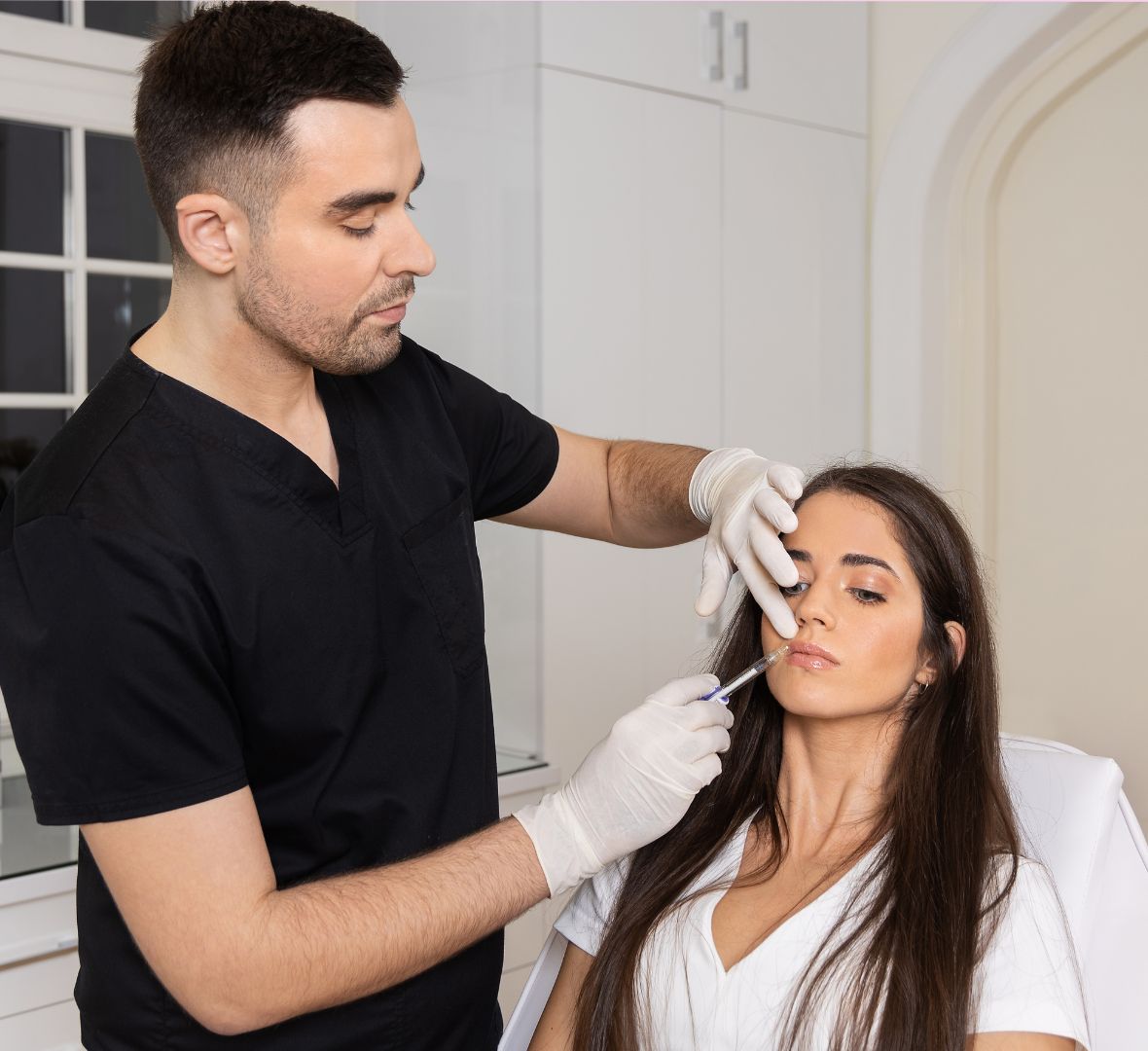
Facial skin during pregnancy requires special, proper and careful care to remain hydrated and healthy. The choice of skincare and any potential procedures should be coordinated with a dermatologist and the doctor managing the pregnancy. The name of a treatment and the label “non-invasive” do not in themselves confirm safety: what matters are the ingredients, concentrations, method of application and individual health status. Why do changes occur in …
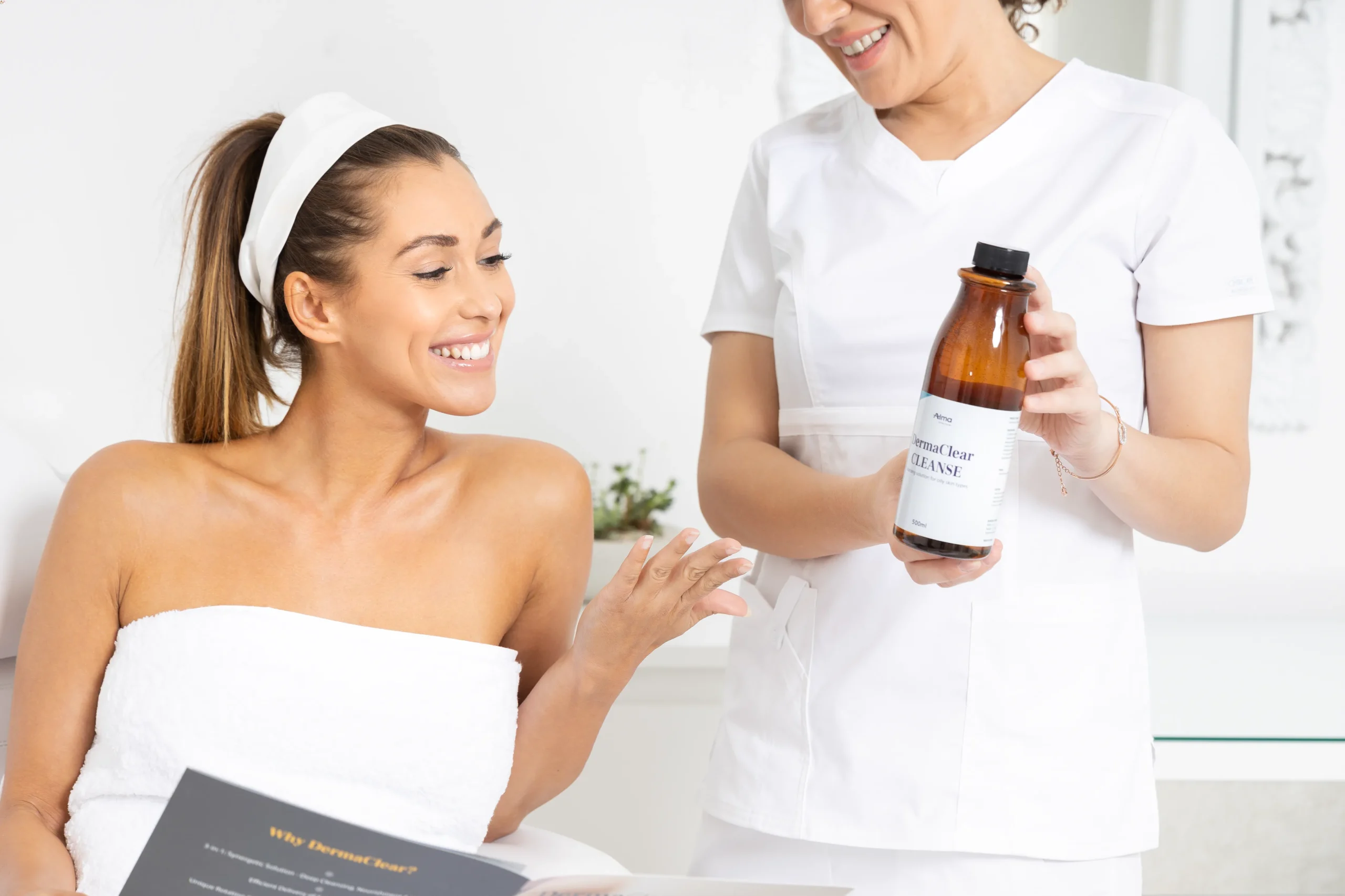
Facial skin during pregnancy requires special, careful attention to keep it hydrated and healthy. The choice of skincare and any potential procedures should be coordinated with a dermatologist and the doctor managing the pregnancy. The name of a treatment and the label „non-invasive” do not in themselves confirm safety: what matters are the ingredients, concentrations, method of application and individual health status.
Why do changes in facial skin occur during pregnancy?
Pregnancy is a delicate time, and considering everything women go through over nine months, that is easy to understand. From the very first moment a woman finds out she is pregnant, right up until labour itself, her body goes through numerous changes. These range from sudden mood swings, shortness of breath, digestive difficulties and swelling of the hands and feet to visible changes – namely those on the skin of the face and body. All of these are normal and occur as a result of rapid and sudden hormonal changes and the body adapting to the new situation.
Hormones in pregnancy
The main hormones in pregnancy are oestrogen and progesterone. It sounds incredible, but a woman produces more oestrogen during pregnancy than throughout her entire life when she is not pregnant. The level of this hormone increases month by month and is highest in the third trimester. Its role is to enable the placenta and uterus to enhance the formation of blood vessels that will transport nutrients and aid the baby's development.
Also, the progesterone level is very high during pregnancy. Hormones such as human chorionic gonadotrophin (hCG), oxytocin and prolactin also play a significant role. All of them together, along with various other factors, lead to dramatic and diverse changes, which can often be visible on the skin as well as in the appearance of hair and nails.
The influence of hormones on the skin
Due to increased blood and oxygen flow, as well as higher hormone levels, the facial skin of pregnant women often gets that wonderful pregnancy glow. This most commonly happens around the start of the second trimester. Blood vessels expand to allow better blood flow to the baby, so this increased circulation can contribute to a healthier-looking complexion. In pregnant women, blood flow can increase by up to 50 percent or more, and the amount of air inhaled also increases – by 30 to 50 percent. The skin becomes rosy and more radiant, which is why we often tell pregnant women that they simply “glow”.
On the other hand, these numerous hormonal changes can have a negative impact on the appearance of the facial skin in other women. It can often be dehydrated, dry, rough to the touch, with acne or hyperpigmentation. Therefore, it requires proper care and treatments that are specially tailored to pregnant women.
Most common facial skin changes in pregnancy
Hormonal changes often increase sebum production. In women who already have oilier skin, this can worsen the skin condition. The most common changes are:
- Spots and acne that occur when skin pores become blocked due to excessive sebum production;
- Hyperpigmentation , in the form of patches, dark spots and discolouration, is the most common pregnancy-related change, affecting as many as 90 percent of pregnant women (according to DermNet data). They occur when oestrogen and progesterone produce an excess of melanin – the pigment that determines the colour of our skin. One of the major changes is the appearance of so-called chloasma (melasma) or the “pregnancy mask”, which appears as dark spots, mostly on the cheekbones, nose and forehead;
- Rosacea is an inflammatory skin condition that can appear or worsen precisely during pregnancy, due to sudden hormonal changes. Due to the dilation of blood vessels in the skin, increased redness and other symptoms occur. Often, rosacea is not transient in nature and requires more serious treatment and medication. In such cases, treatment is postponed until pregnancy and breastfeeding are over before starting more invasive treatments;
- Dry and dehydrated skin can be a common companion to pregnancy. Itching and burning, peeling skin are common in pregnant women. The most common companion of dry skin in pregnancy are stretch marks;
- Eczema and dermatitis;
- A greater number of moles and freckles.
Many of these changes are, fortunately, temporary and disappear after childbirth and the stabilisation of hormonal status. However, some can become permanent, at which point a systematic approach to treatment is required.
Which cosmetic ingredients should be avoided during pregnancy?
First of all, it is crucial that during pregnancy you do not undergo any treatment on your own initiative, without prior consultation with a dermatologist. Even if it is only about hydrating your skin, it is important that all the ingredients in the products you use are safe. This applies both during pregnancy and while breastfeeding.
At that time, aesthetic or anti-ageing procedures, injection treatments, and more aggressive and invasive treatments whose ingredients are not safe for pregnant women are not performed. Retinoids (including retinol), hydroquinone, and salicylic acid peels are avoided. Benzoyl peroxide may, according to European guidelines, be used on a small area, with a doctor's advice.
Treatments that should not be done during pregnancy
Laser facial and body treatments, laser hair removal, radiofrequency treatment, fillers, all more invasive treatments, and more aggressive chemical peels are on the list of those not recommended during pregnancy and breastfeeding. In any case, if you have any doubts, always consult a doctor beforehand to assess whether the procedure is even necessary and appropriate for you.
Short answers: ingredients and treatments during pregnancy
Niacinamide in pregnancy
Niacinamide is a form of vitamin B3. In creams and serums, it is considered safe during pregnancy, as it is absorbed through the skin to a negligible extent and there is no evidence of risk. It helps with redness, oily skin and blemishes.
Hyaluronic acid in pregnancy
Creams and serums with hyaluronic acid are safe, because they act on the surface of the skin. Hyaluronic acid injections, such as hyaluronic fillers and skin boosters, are not performed during pregnancy and while breastfeeding.
Laser hair removal during pregnancy
It is not recommended and is postponed until after pregnancy, as there is insufficient safety data. Until then, shaving or waxing are a safer choice. Read more about the treatment on our page about laser hair removal.
Peels during pregnancy
Mild superficial peels with glycolic or lactic acid are considered safe, as they are absorbed through the skin to a negligible extent. Salicylic acid peels are avoided, as are medium-deep and deep peels such as TCA.
Safe facial treatments during pregnancy
The foundation is gentle skincare suited to your skin. The following categories do not represent a universal recommendation for every pregnant woman; specific preparations and procedures should be checked with a doctor in advance:
- Deep cleansing – basic facial treatments that include exfoliation, masks and hydration;
- Oxygen treatments can help to increase blood circulation;
- Moisturising treatments.

Derma Clear treatment during pregnancy
Alma DermaClear combines exfoliation, cleansing, and hydration. During pregnancy, its suitability cannot be assessed solely on the basis of the device's name. It is necessary to check the exact composition of each solution and the manufacturer's instructions, along with an individual assessment by a doctor.
The standard protocol should not be automatically transferred to pregnancy. If the suitability of the solution and the procedure has not been confirmed, the procedure should be postponed. A general description can be found on our page about Alma DermaClear treatment; that description is not a confirmation of safety in pregnancy.
Mild chemical peels during pregnancy
Chemical peels are an effective procedure for improving the condition of facial skin and eliminating various imperfections, such as hyperpigmentation. However, they carry certain risks, including changes in skin colour. Deep and medium-deep peels, such as the TCA peel, must under no circumstances be performed during pregnancy and breastfeeding. If the doctor assesses that it is safe, shallower, milder, and non-invasive ones can be done that will hydrate the skin and improve its overall appearance.
Mild glycolic or lactic acid-based peels can be used, while salicylic acid peels are avoided during pregnancy. Fruit acid-based peels are used to refresh the skin and can be carried out throughout the year. It is important to mention that non-invasive chemical peels can also be performed on patients with dry skin. For instance, a lactic acid peel will gently remove dead cells and impurities, regenerate, and hydrate the skin.

Facial skin care during pregnancy
Pregnancy itself is a beautiful yet challenging period, filled with changes and the body's adaptation to new everyday situations. When it comes to facial skin care, rule number one is adequate care and prevention.
- Hydrate your skin from the inside and out. Drink plenty of water and use natural and safe skincare products that will nourish and moisturise the skin;
- Always use sun protection when going out in the sun. During pregnancy, skin is prone to increased pigmentation, and SPF 50 will reduce that risk. Apply it half an hour before going out in the sun and every two hours while outside. Wear a hat and clothing made of natural materials, and avoid direct exposure to the sun between 10am and 5pm;
- You can do a mild facial scrub once a week at home to cleanse and hydrate the skin. However, first check the ingredients carefully and whether it is safe for pregnant women.
And most importantly, always consult your doctor regarding any treatment you are planning to have. The doctor can assess the benefits, limitations and the need to postpone the procedure.
Book your appointment
If you have any doubts or further questions, please know that our expert team of doctors is always at your disposal. Book an appointment, call us on 064/237-0707 or email us at imedic.rs@gmail.com.
Expert sources

Updated: