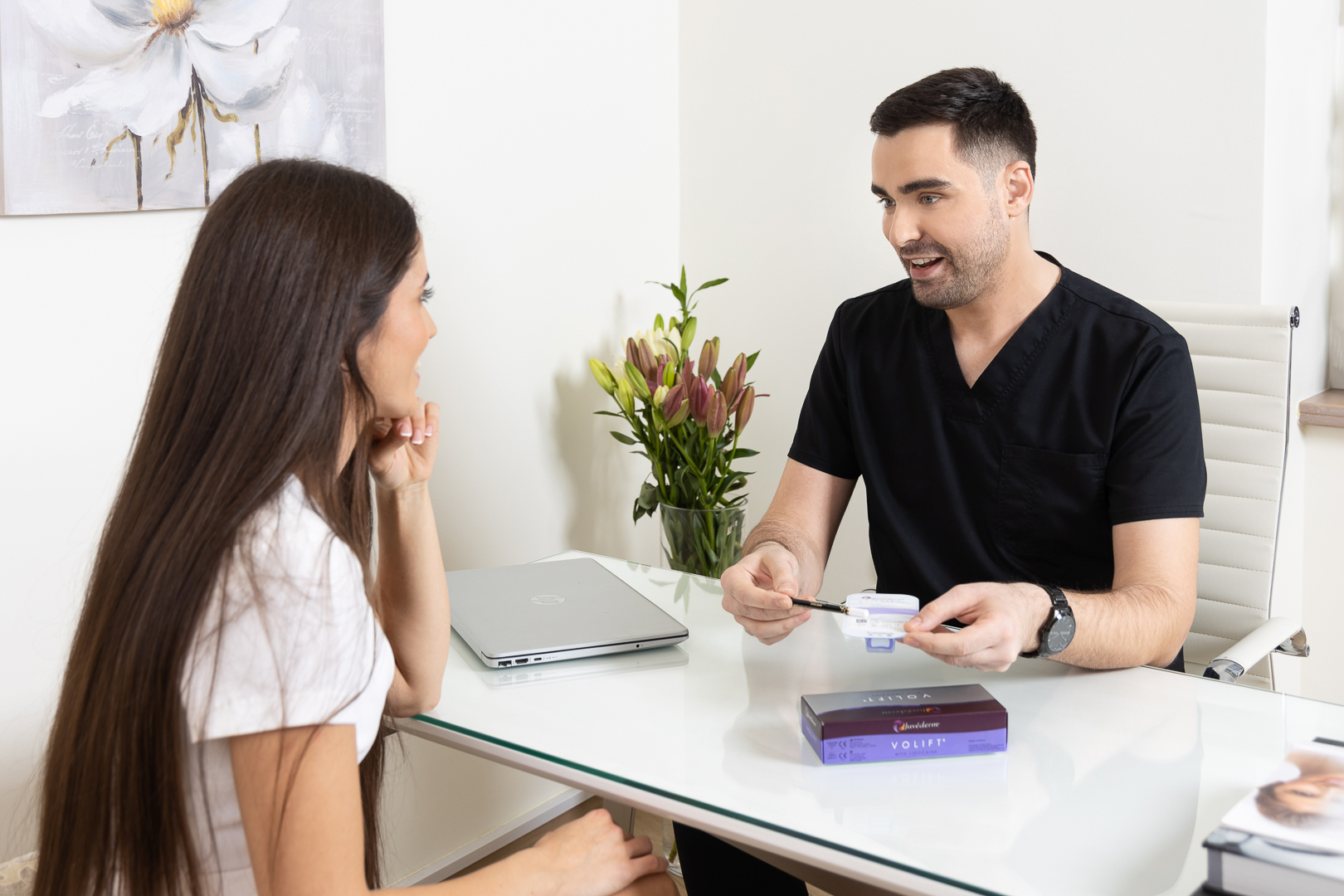
After childbirth, most women are left with more or less loose skin and fat deposits on their stomach. This is completely natural: the belly expanded for nine months to make room for the baby and it takes time to get back into shape. In this text, we explain why the belly remains after childbirth and caesarean section, how long it takes to …
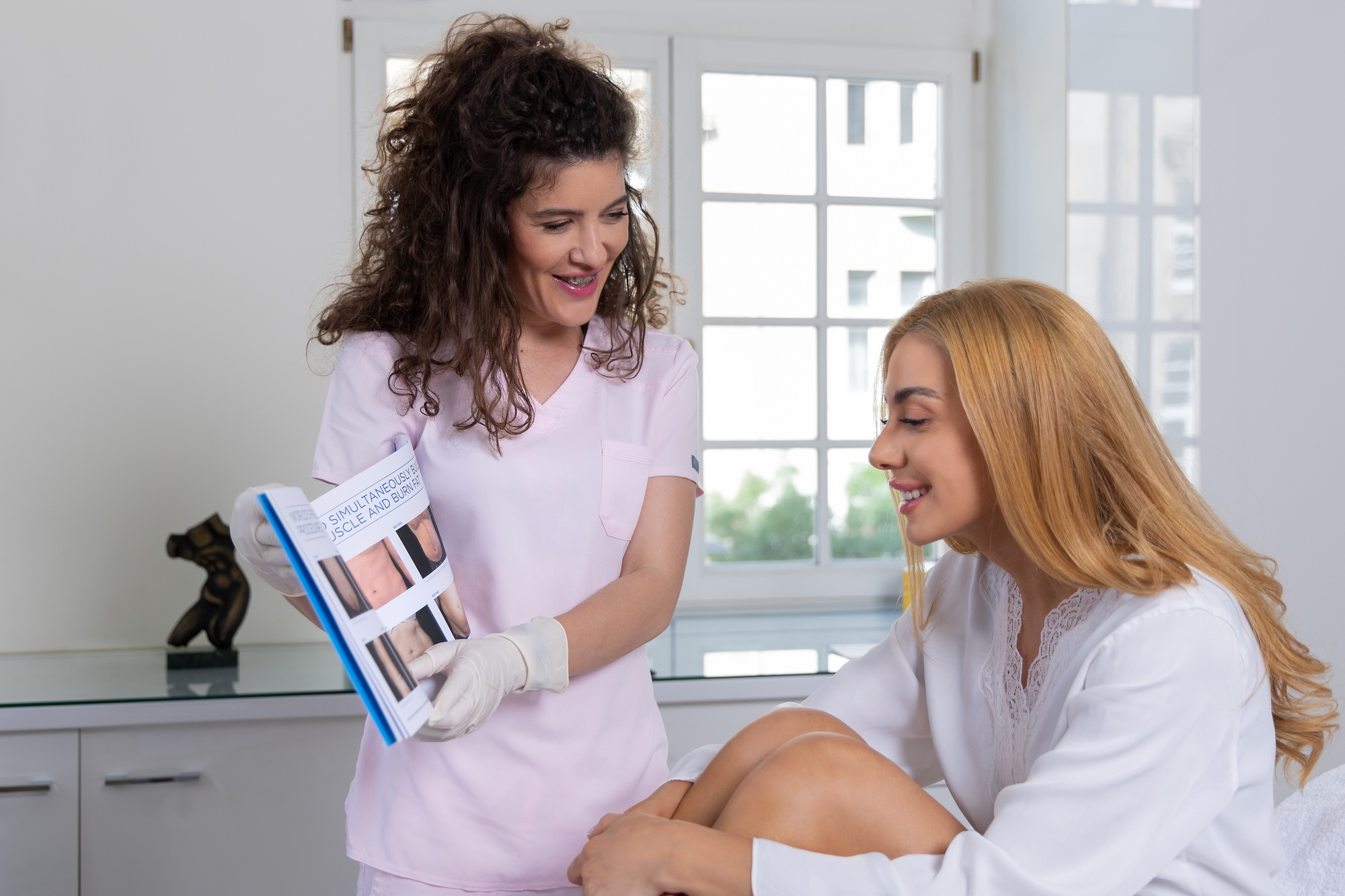
After childbirth, most women are left with more or less loose skin and fatty deposits on their stomach. This is completely natural: the belly expanded for nine months to make room for the baby and it takes time to get back into shape. In this article, we explain why the belly remains after childbirth and a C-section, how long it takes to go down, what you can do yourself, and which treatments help when the body is ready.
Why does the belly remain after childbirth?
During pregnancy, the entire body changes, and the stomach most of all: the uterus expands as the baby grows, and with it the skin, muscles and ligaments of the abdominal wall stretch. That is why the belly cannot be flat immediately after childbirth. Its appearance in the first weeks is influenced by several things:
- the uterus is still enlarged;
- there are smaller or larger subcutaneous fat deposits;
- the abdominal wall muscles are stretched and weakened;
- the skin is stretched, and in many women stretch marks are also visible;
- the body is still retaining fluid that is specific to the postpartum period.
After childbirth, hormonal changes stimulate the uterus to contract and return to its pre-pregnancy size, which usually takes six to eight weeks. The body gradually gets rid of excess fluid, while the fat deposits that formed during pregnancy decrease more slowly. For women who have had a caesarean section, recovery takes longer.
The appearance of the stomach also depends on how much the skin has stretched. If a woman gained more weight during pregnancy, there is a greater likelihood that more sagging skin will remain, and stretch marks also occur more frequently, not only on the stomach but also on the hips, thighs and buttocks.

What affects the appearance of the stomach after childbirth?
Several factors influence how much skin and fat will remain on the stomach:
- what the stomach looked like before pregnancy;
- how many kilograms were gained during pregnancy;
- hereditary factors and hormonal changes;
- whether diastasis has developed;
- whether the birth was by caesarean section;
- pregnancy habits: diet, sleep and physical activity.
After a caesarean section, the skin above the scar recovers more slowly, so excess skin in that part of the stomach often lingers for longer.
When will the belly go away after childbirth?
Recovery is individual and depends on how much weight you gained during pregnancy, what your stomach looked like before it, what your physical condition was like, and whether diastasis is present.
Stories about mums whose stomachs are flat immediately after birth are rare. On social media it often looks as though the body bounces back in two weeks, but that is not a realistic picture. Most women need months for belly fat to reduce, and for some a small amount of excess skin remains permanently. After a C-section, the skin in that area recovers more slowly. The stomach expanded for nine months, so it is normal for it to take time to return.
Postpartum diastasis
In some women, the rectus abdominis muscles remain separated after pregnancy by a gap that does not close on its own. This condition is called diastasis and affects between 30 and 60% of women in the postpartum period. It is recognised by a bulge in the middle of the stomach, which is best seen when the head is lifted from a lying position. Traditional crunches do not help with diastasis and sometimes even increase the gap. We have explained why this is the case, how diastasis is recognised, and what helps in our article Diastasis recti after pregnancy: assessment, exercises and treatment options.
Postpartum belly treatments
There is no single timeline that applies to everyone. When you can start depends on how the birth went, whether you had a caesarean section, how your recovery is progressing, and which method is involved, so the start of exercise and treatments is agreed upon after a check-up with your gynaecologist. The doctor checks for contraindications separately for each method. Treatments are not performed during breastfeeding. For diastasis, a plan is made individually and usually includes exercises with a physiotherapist.
During the consultation, the doctor assesses whether the main problem is muscle tone, loose skin or fatty deposits. Emsculpt is considered for muscles, and Ultraformer III, Attiva and other methods according to the condition of the skin. The number of sessions, intervals and the order in which methods may be combined are determined individually.
Emsculpt for the postpartum belly
Emsculpt uses electromagnetic stimulation that induces muscle contractions. It can be considered when the goal is to improve muscle tone, after assessing recovery and checking for contraindications. It does not remove excess skin and does not replace an individual exercise programme.
If there is diastasis or a suspected hernia, the abdominal wall is assessed first and a rehabilitation plan is made. Emsculpt is not presented as a universal solution for diastasis. After a caesarean section, the doctor assesses healing and readiness for treatment; the passage of a certain number of months alone is not enough to decide. The number of sessions and intervals are determined individually. Treatment is not performed during pregnancy or breastfeeding, and electronic and metal implants and the patient's health must be checked before treatment.
Alma PrimeX for the postpartum belly
When sagging skin is accompanied by fatty deposits, a good option is Alma PrimeX. It combines two technologies: ultrasound targets fatty tissue and reduces circumference, while radiofrequency energy heats deeper layers of the skin and stimulates the production of new collagen, tightening the skin. The treatment lasts 10 to 20 minutes, is performed without anaesthesia, and is repeated every one to two weeks. Alma PrimeX is often combined with Emsculpt: Emsculpt strengthens the muscle, while Alma PrimeX acts on the skin and fatty tissue above it.
Lipolysis for stubborn belly fat
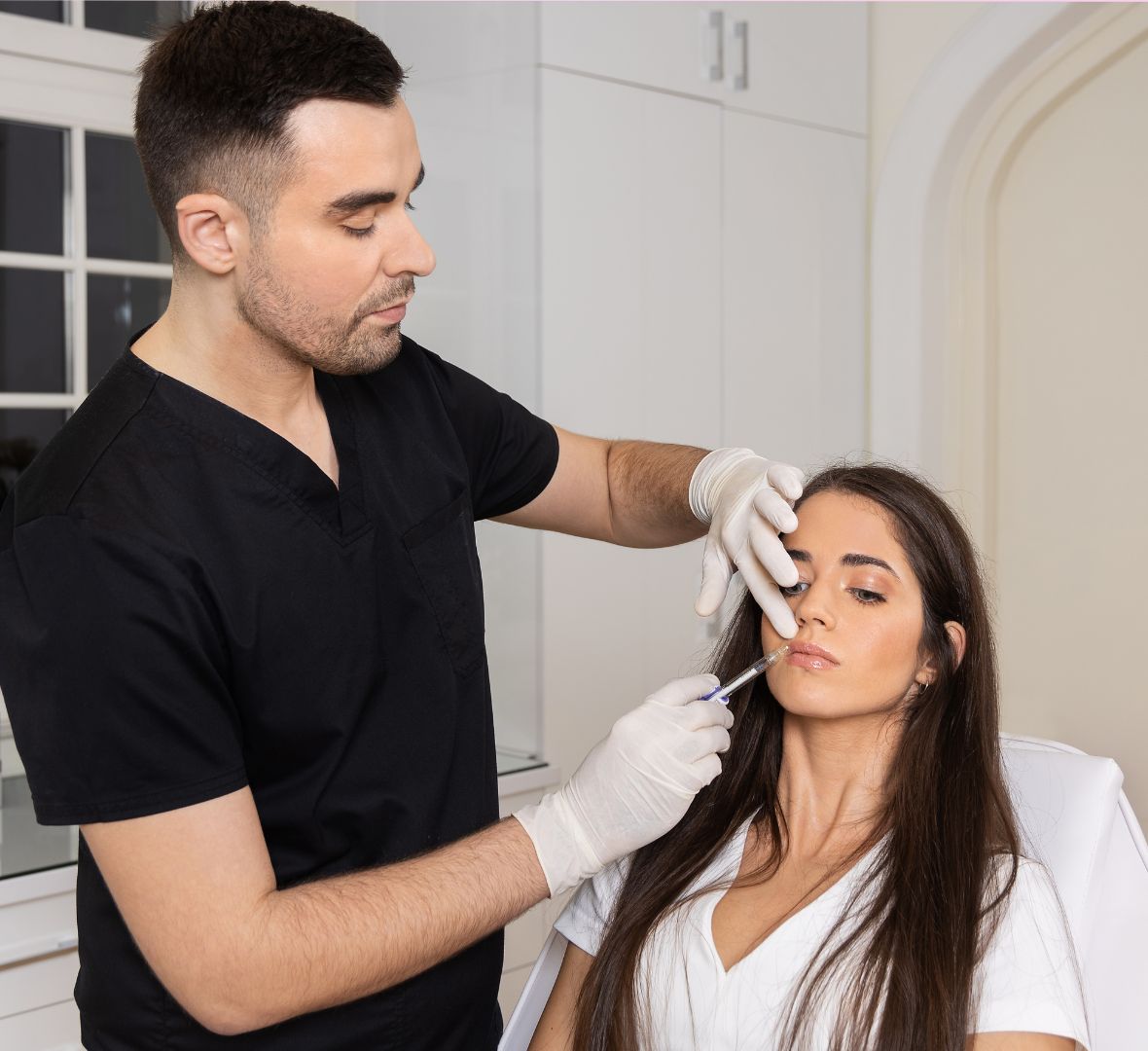
If smaller, stubborn deposits remain on the stomach that do not respond to diet and exercise, a doctor may recommend lipolysis. The product is injected into fatty tissue using a fine needle to stimulate the breakdown of fat cells, and the result develops gradually through a series of treatments. At Imedic poliklinika, we use Lemon Bottle and Aqualyx.
When the main problem is sagging skin
If there is little fatty tissue and the skin on the stomach is soft and saggy, especially below the navel, the treatment is chosen according to the condition of the skin. We discussed how stomach skin is tightened after pregnancy and weight loss and when Morpheus8 is chosen in our article about Excess stomach skin.
Ultraformer III for loose stomach skin
When the main problem is mild to moderate skin laxity, after recovery is complete, one can consider Ultraformer III. Focused ultrasound acts at selected depths, through the skin's surface, without needles or cannulas. The goal is the gradual improvement of skin firmness through collagen remodelling.
The suitability of the treatment depends on skin quality, tissue thickness and the condition of the stomach. Large amounts of hanging excess skin cannot be removed with this procedure. The number of sessions and their timing are determined during the consultation.
Attiva radiofrequency after pregnancy
Attiva radiofrequency is a minimally invasive option for tightening abdominal skin in selected patients. A thin cannula is inserted beneath the skin, and controlled heating stimulates collagen contraction and remodelling. The treatment is performed under local anaesthesia with temperature monitoring.
Prior to the decision, postpartum recovery, the caesarean section scar, the condition of the abdominal wall and contraindications are assessed. The treatment is not performed during breastfeeding. Swelling, tenderness and bruising are possible, so care and the return to activities are planned individually. Attiva is intended for the skin and subcutaneous tissue, not for treating diastasis.
What else can you do?
Alongside treatments, the stomach returns to shape faster with a balanced diet and exercise, once your doctor says it is safe. Postnatal exercise is good for both the body and mood. For some mums, breastfeeding helps with weight loss; for others, it doesn't. Weight loss should be gradual: strict diets can reduce the amount of milk if you are breastfeeding, so drastically cutting calories during this period is not a good choice.
For swelling and fatigue after pregnancy, pressotherapyhelps. It promotes the drainage of excess fluid and leg circulation, and goes well with Emsculpt and Alma PrimeX.

Booking
If you are unsure which treatment is right for you, during the consultation the doctor assesses your stomach and creates a plan. Treatment prices can be found in our body treatments price list.
Imedic poliklinika is located at Kneza Miloša 23, 2nd floor, Belgrade. Opening hours are Monday to Sunday, 9:00 to 21:00. Appointments can be booked by phone on 064 237 0707, and we are also available via Viber and WhatsApp on the same number.

Updated: