Facial skin gradually loses its firmness with age: the jawline becomes softer, fine lines appear, and the skin on the neck loses some of its elasticity. Radiofrequency skin tightening helps the skin produce collagen again, so it tightens from the inside, gradually and naturally. In this text, we explain how radiofrequency works, who they are suitable for, and what Morpheus8 and Attiva treatments look like with us. ...
Over time, facial skin gradually loses its firmness: the jawline becomes softer, fine lines appear, and the skin on the neck loses some of its elasticity. Radiofrequency skin tightening helps the skin produce collagen again, tightening it from within, gradually and naturally. In this article, we explain how radiofrequency waves work, who they are suitable for, and what Morpheus8 and Attiva treatments look like at our clinic.
How radiofrequency skin tightening works
As it passes through the skin, the radiofrequency energy is converted into heat. The heat shrinks existing collagen fibres and stimulates the skin to produce new collagen and elastin, the proteins that give it firmness and elasticity. This is why part of the effect is visible immediately, while the greater part develops over the coming weeks and months. The treatment does not introduce any substances into the skin, so the result looks natural.
Types of radiofrequency treatments
All radiofrequency treatments work on the same principle, via heat in the skin, but they differ in how far the energy reaches and by what path.
Surface radiofrequency works through the skin, without needles. It heats the upper layers and is most commonly used for gentle refreshment and maintenance.
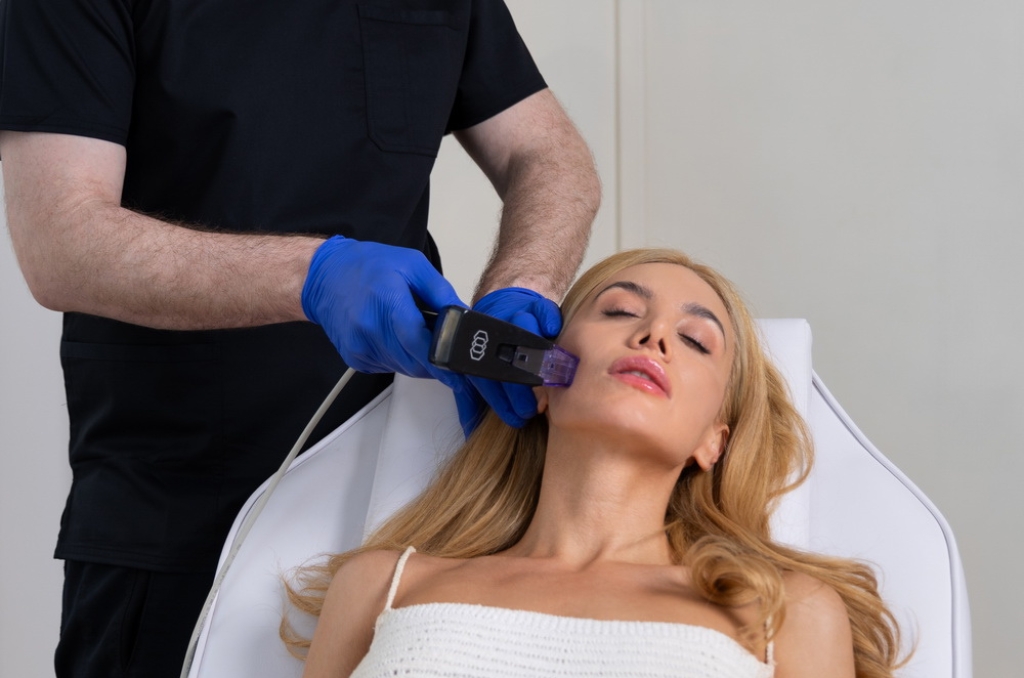
Radiofrequency microneedling It delivers energy through tiny needles directly into the depths of the skin. That's how it works. Morpheus8it simultaneously tightens the skin and improves its quality, pores, complexion and texture.
Subdermal radiofrequency works under the skin, through a thin probe. This is the principle behind Attiva, which tightens the deeper layers and reduces smaller fat deposits, while the surface of the skin remains intact.
At our clinic, radiofrequency skin tightening is performed with Morpheus8 and Attiva treatments, either alone or combined, depending on what the skin needs most.
Who is radiofrequency skin tightening suitable for?
Radiofrequency skin tightening is a good choice when the skin of the face and neck is mildly to moderately sagging. It is most commonly performed for a sagging jawline and lower third of the face, double chin and jowls, wrinkles on the face, neck and décolletage, enlarged pores and uneven skin tone. Radiofrequency is also used on the body for skin tightening on the stomach, upper arms and knees.
Morpheus8
Morpheus8 combines microneedling and radiofrequency. The needles create microchannels and deliver energy deep into the skin, where the heat tightens collagen and stimulates the production of new collagen. The skin becomes firmer and smoother, pores are less visible, and the complexion is more even. Morpheus8 also reduces minor fatty deposits, making it useful for treating a double chin, jowls, and malar bags on the cheekbones.
The treatment takes 30 to 60 minutes, depending on the area. Before the treatment, an anaesthetic cream is applied, so you will feel pressure and a mild stinging sensation. After the treatment, the skin is red and slightly swollen for up to three days, and makeup should not be applied until the redness subsides. The skin is firmer after just the first treatment, and a more pronounced effect is visible after four to six weeks. Usually, one to three treatments are performed, spaced one to one and a half months apart. Morpheus8 can be combined with Attiva, CO2 and ClearLift lasers, PRP treatment, skin boosters and hyaluronic acid fillers. Read more about the treatment on our page about Morpheus8.
Attiva radiofrequency
Attiva works from within: a thin probe is inserted under the skin and uses radiofrequency energy to heat the middle layer of the skin and subcutaneous tissue. Collagen fibres contract, the skin tightens, and smaller fat deposits are reduced. The surface of the skin remains intact. Attiva is a good choice for a sagging lower third of the face, marionette lines, the neck and décolletage, and on the body for the thighs, stomach and upper arms.
The treatment is carried out under local anaesthetic, and the temperature is monitored throughout the entire treatment using a sensor on the cannula and a thermal camera. Before and after the treatment, it is important to drink enough water. After the treatment, a small bruise at the puncture site is possible, which disappears in a few days, and swelling which can last for up to 14 days. The skin looks firmer immediately, and a more pronounced effect is seen after four to six weeks. Most commonly, two treatments are performed, and if necessary the treatment is repeated after three to six months. Read more about the treatment on our page about Attiva radiofrequency.
Morpheus8 and Attiva, side by side
| Morpheus8 | Attiva | |
|---|---|---|
| How it works | Microneedles and radiofrequency deep in the skin | Probe under the skin, radiofrequency in the subcutaneous tissue |
| Best for | Tightening with improved skin quality, pores, complexion and texture | More pronounced sagging of the lower third of the face, neck and body |
| Anaesthesia | Anaesthetic cream | Local anaesthesia |
| After treatment | Redness and mild swelling for up to three days | Possible minor bruising and swelling, up to 14 days |
| Number of treatments | Usually one to three | Most commonly two |
| When results are visible | Firmer skin after the first treatment, more pronounced after 4–6 weeks | Firmer immediately, more defined after 4–6 weeks |
If you are interested in which treatment is better for the jawline and chin, you will find a more detailed comparison in our article about tightening of the lower third of the face.
Where does Ultraformer fit in?
Ultraformer III is not a radiofrequency treatment. It uses focused ultrasound, which reaches the deep supporting layer of the face. We mention it because it is often brought up in the same conversation: when tightening is needed without any needle punctures and without redness afterwards, the doctor may suggest it as an alternative or an addition to radiofrequency.
Recovery after radiofrequency tightening
Most people return to their commitments the very next day. After the Morpheus8 treatment, the skin is red and slightly swollen, similar to after strong sun exposure, and this passes in two to three days. Makeup should not be applied until the redness subsides. After Attiva, a small bruise at the puncture site and swelling may appear, which gradually subside.
In the days following the treatment, the skin benefits from gentle skincare and sun protection. If you notice anything that concerns you, contact your doctor.
When radiofrequency is not enough
Radiofrequency works best when the skin is slightly to moderately lax. When there is a large excess of skin, radiofrequency can improve skin firmness and quality, but it cannot remove the excess itself. This is why a consultation is important: the doctor assesses what is realistically achievable and honestly tells you when a different approach would help you more.
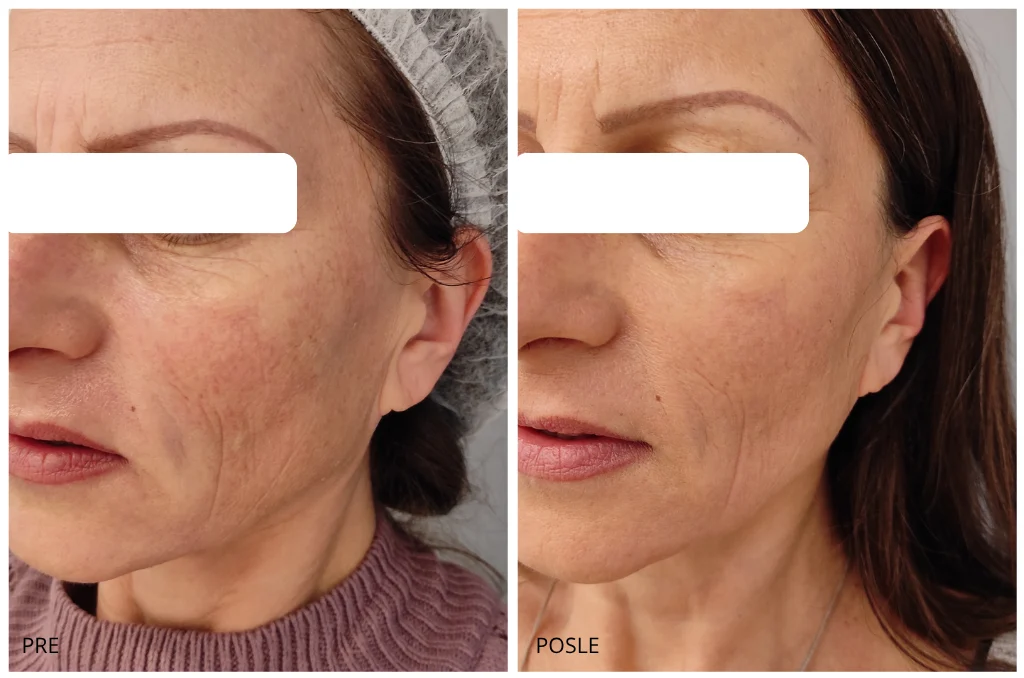
Radiofrequency skin tightening before and after
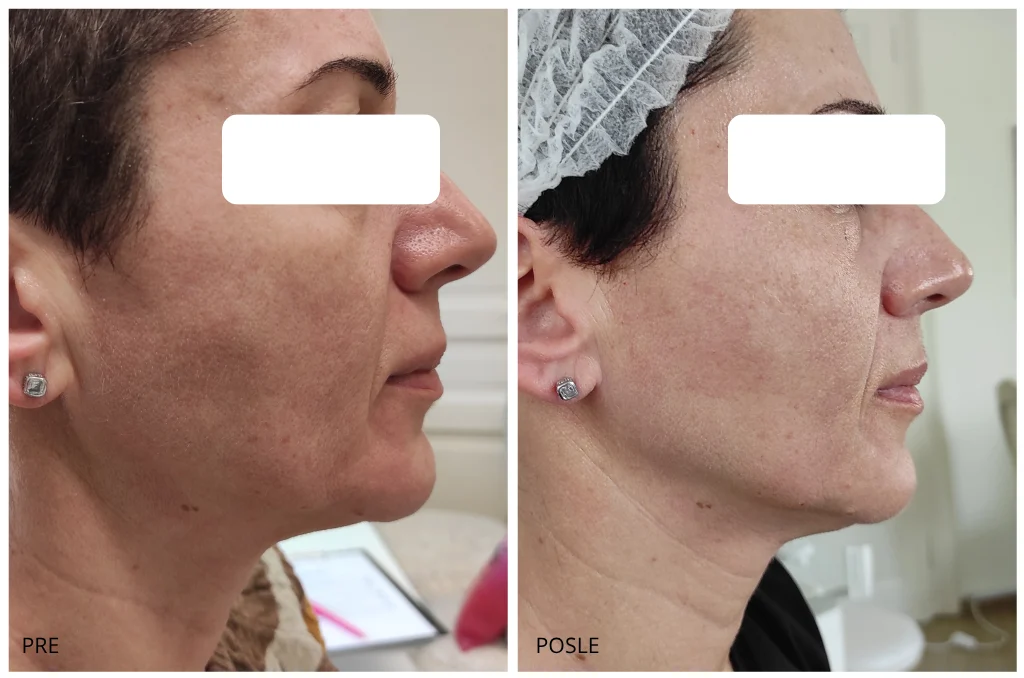
These are the results of radiofrequency skin tightening in our patients. Results vary from person to person and depend on skin condition, age, and the number of treatments. View more photos in our gallery before and after.
Morpheus8 before and after
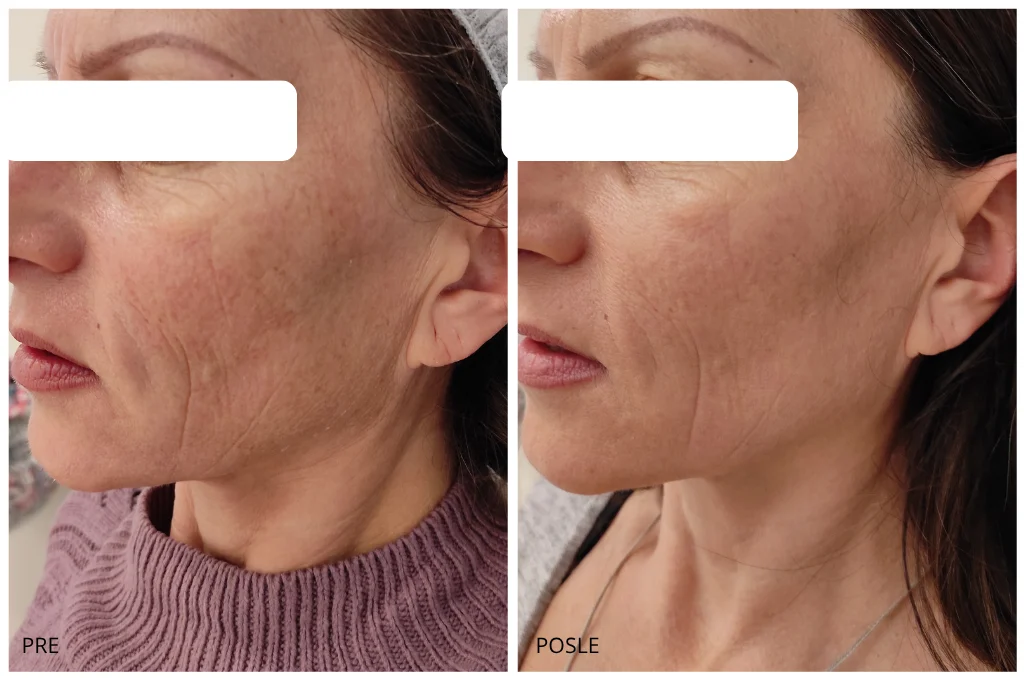
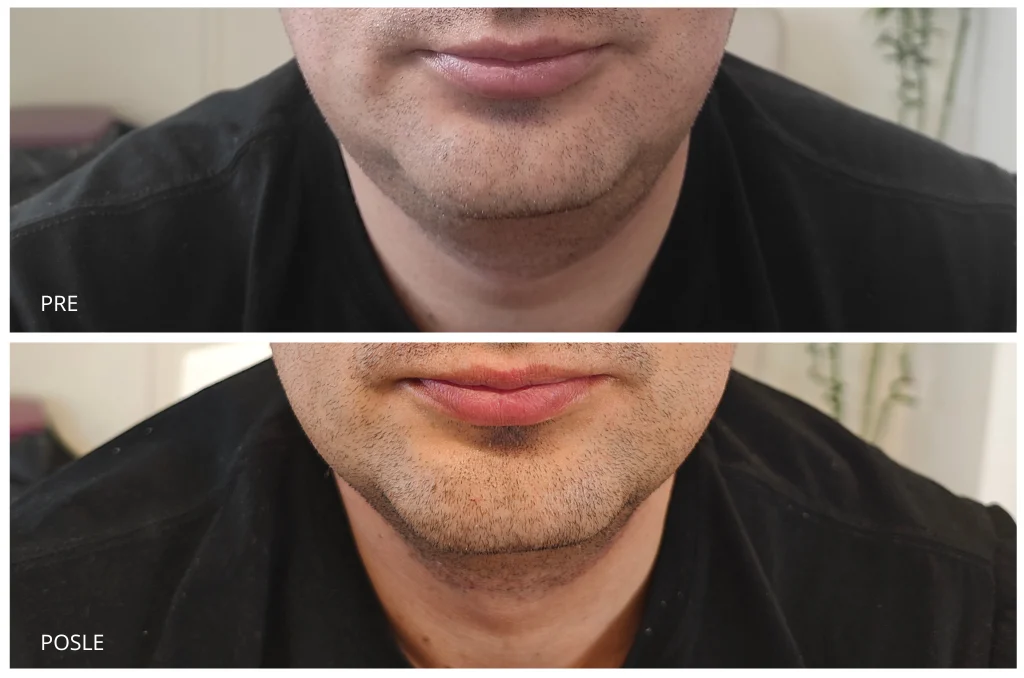
Attiva radiofrequency before and after

Who the treatment is not suitable for
Radiofrequency skin tightening is not performed during pregnancy and breastfeeding, in people with diabetes, haemophilia, a pacemaker, implants, skin infections or connective tissue diseases. During the consultation, inform the doctor about the medication you are taking and whether you have any chronic illnesses.

Updated: